News
Clemency: Onoh urges Tinubu to reverse pardon for Maryam Sanda, drug convicts

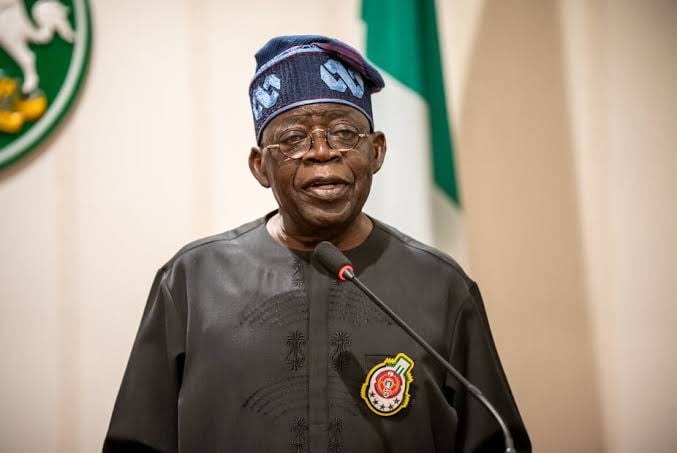
President Bola Tinubu’s spokesman in the South East, Dr. Josef Onoh, has called on the President to reconsider and reverse the recent pardons granted to some convicts, including Maryam Sanda and certain drug offenders.
President Tinubu had, last week, approved the recommendations of the Presidential Advisory Committee on the Prerogative of Mercy, granting clemency to 175 individuals — among them drug convicts, foreigners, and capital offenders such as Maryam Sanda, who was sentenced to death in 2020 for the murder of her husband, Bilyaminu Bello, during a domestic dispute.
However, Onoh described the decision as “morally wrong and a rape of justice,” arguing that it could damage the administration’s international image and undermine the country’s justice system.
According to him, granting pardon to offenders such as Nweke Francis Chibueze, serving a life sentence for cocaine trafficking, and Isaac Justina, convicted for cannabis possession, represents “a profound ethical and institutional rupture that demands immediate rectification.”

“While constitutionally permissible, this act contravenes the moral imperatives of retributive justice and restorative equity. It inflicts psychological trauma on victims’ families, perpetuates systemic injustice, and erodes the deterrence mechanisms essential for societal stability,” Onoh stated.
He maintained that pardoning Sanda, who caused “irreversible loss to the Bello family through an act of lethal violence,” undermines the value of human life and accountability.
Onoh further argued that extending clemency to convicted drug traffickers sends a dangerous signal to society.
“Absolving drug dealers like Chibueze, whose trafficking perpetuates cycles of addiction, community devastation, and organized crime, normalizes predation on society’s most fragile members — particularly the youth,” he said.
The presidential aide warned that such decisions could tarnish Nigeria’s image globally and erode the country’s credibility with international partners such as the UN Office on Drugs and Crime (UNODC).
He also cautioned that the move could demoralize Nigeria’s security agencies, including the NDLEA and the police, whose personnel risked their lives to ensure the convictions.
“This erodes the core of the rule of law and undermines the morale of those who enforce it. The NDLEA’s sacrifices in securing these convictions must not be trivialized,” Onoh noted.
Onoh therefore urged President Tinubu to reverse the pardons through a transparent review process to reaffirm his administration’s commitment to justice and accountability.
“Reversal of these pardons will restore equity, heal national psyches, bolster security morale, safeguard youth futures, and elevate Nigeria’s global stature,” he emphasized.
He concluded by observing that while every action is open to interpretation, “whatever interpretation prevails at a given time is a function of power, not truth,” insisting that moral integrity must prevail in the exercise of presidential mercy.
-

 Opinion15 hours ago
Gun-blazing Wike ń f’ikú ṣeré
-
Sports15 hours ago
AFCON final ref dropped as FIFA picks World Cup officials
-
News16 hours ago
FG inserts N487bn rail, highway projects into 2026 budget
-
News15 hours ago
US Cancels All Visa Appointments After Ordering Staff To Leave Abuja
-
News15 hours ago
Southern, middle belt leaders criticise FG’s handling of insecurity, call for regulated self-defence
-
News15 hours ago
US Advisory: Nigeria Remains Stable, Says FG
-
News15 hours ago
Sokoto Residents Abandon Home, Sleep In Bush Over Banditry
-
News15 hours ago
‘Unforgettable and irreplaceable’ — Tinubu mourns soldiers killed in Borno terrorist attack