News
NBA Demands Immediate Suspension of Tax Reform Acts Over Alleged Alterations


The Nigerian Bar Association (NBA) has called for the immediate suspension of the newly enacted Tax Reform Acts following allegations that the versions signed into law differ from what was passed by the National Assembly.
The association warned that the controversy surrounding the laws has created serious legal uncertainty that could negatively affect Nigeria’s economy, business climate, and investor confidence.
This demand comes after a member of the House of Representatives from Sokoto State, Abdulsamad Dasuki, raised an alarm over alleged discrepancies between the tax bills approved by lawmakers and the versions later gazetted as law.
According to him, some sections appear to have been altered, triggering concerns across legal and political circles.

Reacting to the development, the NBA said the situation raises deep questions about the integrity and credibility of Nigeria’s legislative process. The association described the issue as troubling and unacceptable in a democratic system that relies on due process and transparency.
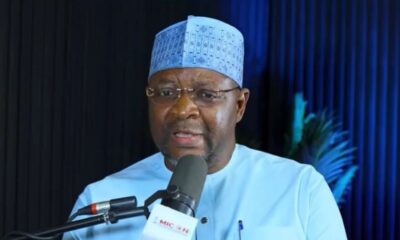
In a statement issued on Tuesday and signed by its President, Afam Osigwe, the NBA demanded a thorough and open investigation into how the alleged alterations occurred.
The body stressed that the circumstances surrounding the enactment of the laws must be fully clarified to protect public trust in the lawmaking process.
“Until these issues are fully examined and resolved, all plans for the implementation of the Tax Reform Acts should be immediately suspended,” the statement said.
Osigwe noted that the allegations go beyond technical errors and strike at the foundation of constitutional governance. He said lawmaking must follow strict procedures, and any deviation threatens the rule of law.
The NBA further warned that the uncertainty surrounding the tax laws could have far-reaching economic consequences.
According to the association, unclear or disputed laws unsettle the business environment, weaken investor confidence, and create unpredictability for individuals, companies, and institutions expected to comply with them.
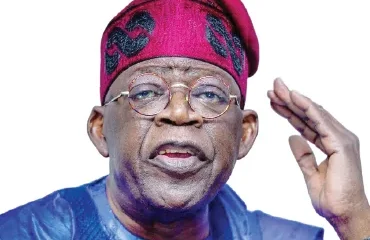
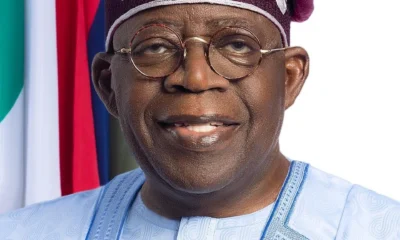
President Bola Tinubu had signed the four tax reform bills into law in June after months of debate and public scrutiny. The laws include the Nigeria Tax Bill, the Nigeria Tax Administration Bill, the Nigeria Revenue Service (Establishment) Bill, and the Joint Revenue Board (Establishment) Bill.
The Federal Government has fixed January 2026 as the commencement date for the implementation of the laws. However, the announcement has continued to generate controversy nationwide.
Several opposition figures and political groups have also urged the Federal Government to halt the implementation. Among them are Peter Obi of the Labour Party and the African Democratic Party, both of whom have raised concerns over the impact and process of the reforms.
Despite the growing criticism, the Chairman of the Presidential Fiscal Policy and Tax Reforms Committee, Taiwo Oyedele, has defended the reforms. He insisted that the government is not introducing entirely new taxes but restructuring the system to make it more efficient.
The Federal Government has argued that the tax reforms are designed to simplify tax administration, reduce multiple taxation, ease compliance burdens, and boost domestic productivity.
-

 Politics14 hours ago
2027: Atiku demands names of firms printing INEC’s ballot papers
-
Business14 hours ago
How 18yrs multiple gas policies sidelined domestic consumers
-
Business14 hours ago
Refiners back forward crude sales, oppose petrol price cap
-
Business14 hours ago
Nigeria’s debt interest soars 124% above revenue
-
Politics14 hours ago
Crude shortfall makes Atiku’s subsidy plan not workable – Presidency
-
News14 hours ago
NDLEA Arrests 83-Year-Old Woman Again, Intercepts Drugs At Nigerian Airports
-
 News14 hours ago
World Bank report affirms reform gains — Tinubu
-
Politics14 hours ago
2027: Tinubu can break Obi’s Southeast hold – Group