Business
Nigeria’s economic growth fragile, needs targeted policies to reduce poverty —World Bank

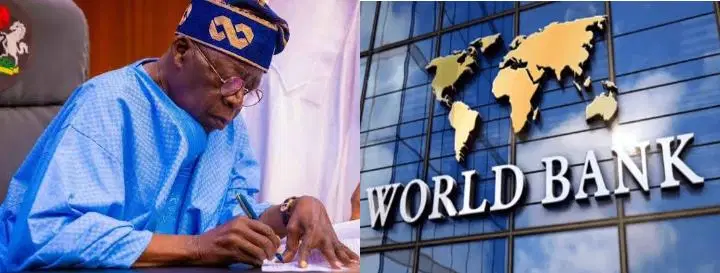
The World Bank has warned that Nigeria’s economic growth, though showing signs of recovery, remains fragile and may not translate into improved living standards for millions of citizens unless targeted policies are implemented to reduce poverty.
Dr Samer Matta, the World Bank’s Senior Economist for Nigeria, made this assertion at the Nigeria Economic Summit Group (NESG) 2026 Macroeconomic Outlook presentation in Lagos yesterday, emphasising that macroeconomic stabilization alone is insufficient to improve household welfare.
Speaking during the panel discussion, Matta said: “Growth is welcome, but if it does not reach the poorest, it will be meaningless’’.
According to the World Bank, inflation, limited competition in key markets, and uneven fiscal spending across states continue to hinder the translation of economic recovery into tangible benefits for ordinary Nigerians.

Matta noted that subnational governments now control significant revenues, yet much of the spending does not always align with citizen needs, particularly in education, health, and social protection.
“Policy focus must go beyond aggregate growth figures. Reducing inflation, improving the quality of spending, and implementing social protection programs are essential to ensure that economic gains reach households,” she added.
He also highlighted that structural reforms, such as supporting private sector-led growth and enhancing domestic savings, are critical to sustaining economic consolidation. “Monetary policy alone cannot close the gap between macro stability and living standards. We need coordinated fiscal, structural, and social measures to ensure inclusive growth,” Dr. Mata said.
On potential risks, the World Bank flagged the upcoming election year as a period that could destabilize progress if fiscal and policy discipline are relaxed. “Complacency now could quickly erode the hard-won macroeconomic gains,” she cautioned.
Matta further stressed the importance of investing in human capital. Prioritizing early childhood education, primary healthcare, and vocational training, she said, is key to unlocking Nigeria’s demographic dividend and improving long-term productivity.
The World Bank’s warning comes at a critical time as the country aims to consolidate economic reforms, strengthen the financial sector, and attract private sector investment, all while addressing the persistent challenge of poverty that affects millions of Nigerians nationwide.
-

 Politics5 hours ago
Tinubu using foreign reserves to create misleading impression of economic growth – Makinde
-
Politics5 hours ago
ADC mocks APC over ‘rented crowds, empty seats’ at Kaduna rally
-
Politics5 hours ago
2027: It’s Our Turn To Repay Tinubu – Shettima Tells Northerners
-
Politics5 hours ago
2027: Forget About Social Media News, Nigerians Love Tinubu – Information Minister
-
Metro17 hours ago
UK police arrest 15-year-old boy for photoshopping local politician into rabbit
-
Politics17 hours ago
APC mobilisers caution party members against mentioning Tinubu’s name during campaigns in North
-
Metro5 hours ago
How AI-generated photo cost kidnap victim N4m ransom – Freed Benue graduate
-
Politics5 hours ago
Ebola: Parties reject campaign suspension