News
Trump’s $15,000 Visa Bond On Nigeria Commences

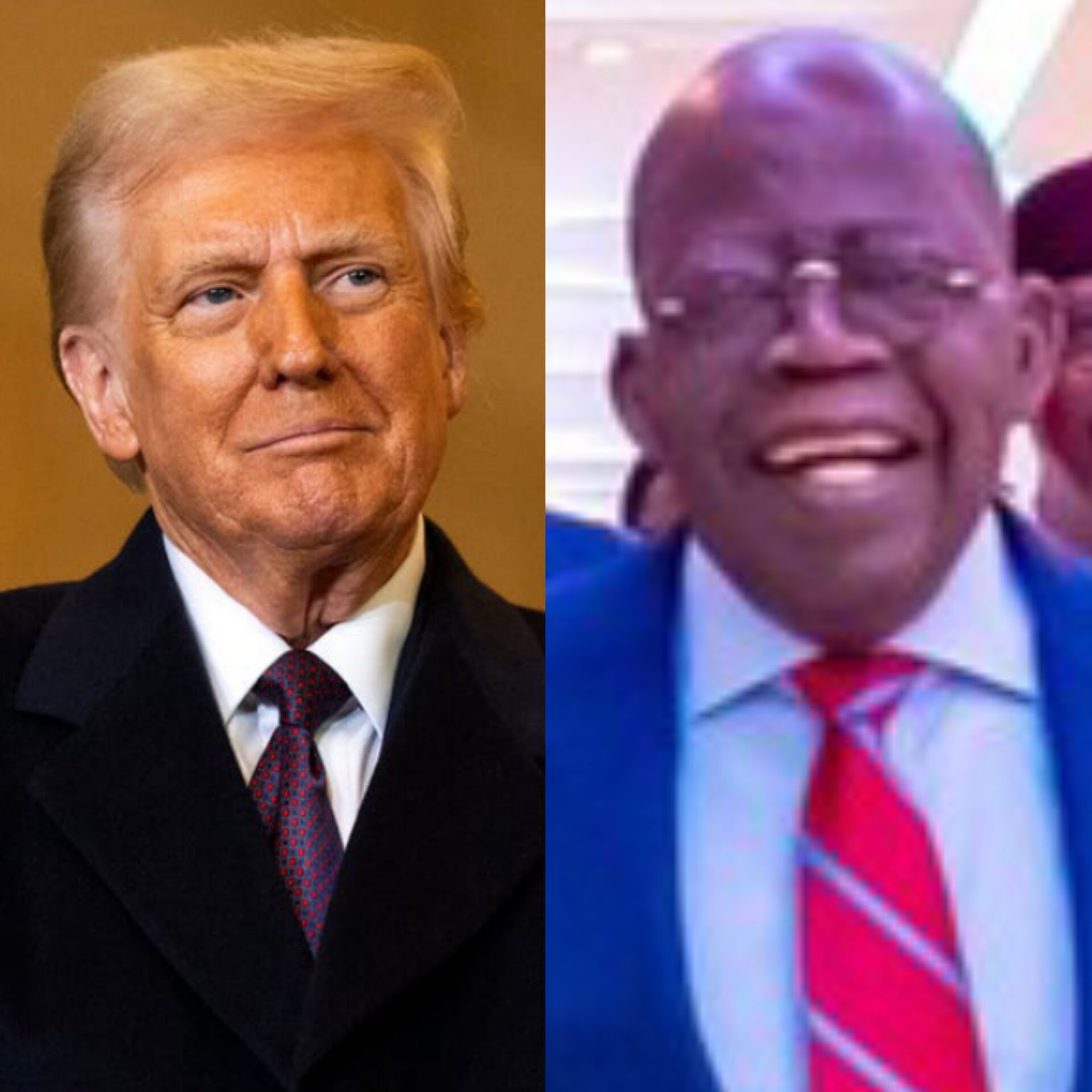
The United States’ $15,000 visa bond On Nigeria and some other countries take effect from today, January 21, 2026
The new visa bond policy may significantly alter travel relations with Nigeria and dozens of other nations, demanding refundable financial guarantees of up to $15,000 from certain B-1/B-2 visitor visa applicants and imposing stricter entry controls. The policy; part of an expanded pilot effort aimed at combating visa overstays, will take effect for Nigerian applicants on January 21, 2026.
The timing coincides with the 2026 FIFA World Cup, co-hosted by the United States, Canada, and Mexico. With countries like Algeria, Senegal set to play group-stage matches in the US, the new requirements risk sharply limiting fan travel and on-site support for the national teams.
Under the US Department of State’s updated requirements, nationals of 38 countries, including Nigeria, will be required to post a visa bond, potentially as high as $15,000, determined at the time of the visa interview.

Nigeria joins 24 other African nations on the list, subject to these requirements. Under the program, Algerian passport holders applying for temporary visitor visas must post bonds ranging from $5,000 to $15,000, with amounts determined during visa interviews. Applicants must also submit the Department of Homeland Security (DHS) Form I-352 and agree to bond terms through the Treasury Department’s Pay.gov platform.
The policy targets countries with high visa overstay rates based on Department of Homeland Security Entry/Exit Overstay Reports. Algeria’s inclusion follows either elevated overstay statistics or insufficient control and verification information, though specific reasons remain unclear. The expanded list includes Nigeria, Senegal, Uganda, Zimbabwe, Bangladesh, Nepal, Cuba, and Venezuela, among others. Previous additions brought countries like Botswana, Guinea, Malawi, and Tanzania under the program between August 2025 and January 2026. Bond breaches occur when visa holders overstay authorized periods, remain in the country beyond permitted dates, or apply for status adjustments, including asylum claims. The Department of Homeland Security forwards violation cases to the US Citizenship and Immigration Services (USCIS) for breach determination.
-

 Politics16 hours ago
Tinubu using foreign reserves to create misleading impression of economic growth – Makinde
-
Politics16 hours ago
ADC mocks APC over ‘rented crowds, empty seats’ at Kaduna rally
-
Politics15 hours ago
2027: It’s Our Turn To Repay Tinubu – Shettima Tells Northerners
-
Politics15 hours ago
2027: Forget About Social Media News, Nigerians Love Tinubu – Information Minister
-
Metro15 hours ago
How AI-generated photo cost kidnap victim N4m ransom – Freed Benue graduate
-
Politics15 hours ago
Ebola: Parties reject campaign suspension
-
Politics15 hours ago
2027: Pantami, Adebutu, Gwarzo’s fates uncertain
-
Politics22 hours ago
2027: Obi stingy, unfit for presidency – Wike