News
Herders’ Group MACBAN Condemns Sunday Igboho Pardon As ‘Tribal Justice’, Accuses Him Of Attacks On Fulani

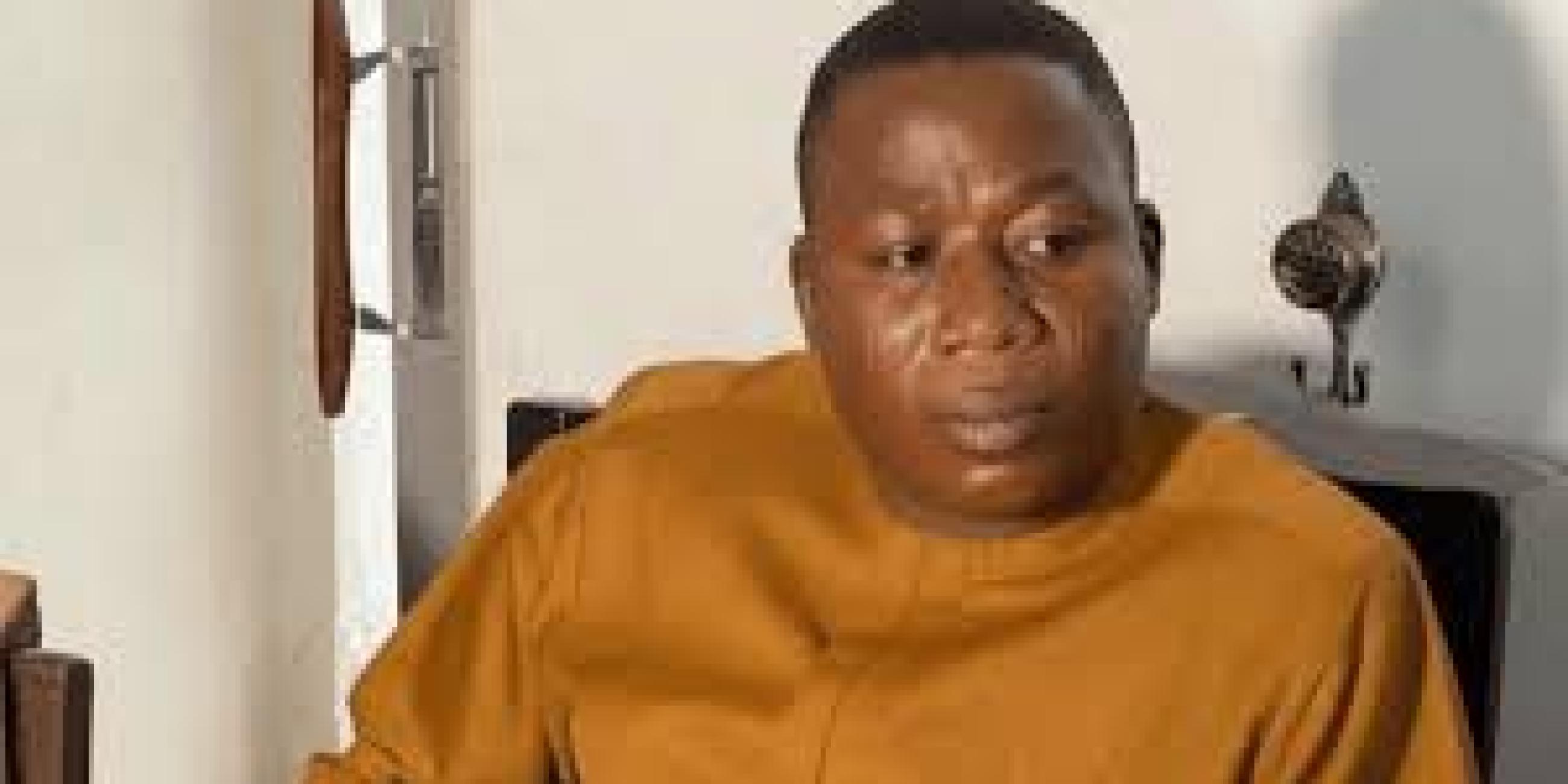
An umbrella organisation for Fulani cattle herders and pastoralists in Nigeria, Miyetti Allah Cattle Breeders Association of Nigeria (MACBAN), has condemned the presidential pardon granted to Yoruba self-determination activist Chief Sunday Adeyemo, popularly known as Sunday Igboho.
The organisation described the pardon as a grave miscarriage of justice and a painful reminder of the Nigerian state’s failure to protect Fulani lives in Oyo State.
A statement issued on Tuesday by MACBAN’s South-West Zone said the pardon has reopened deep wounds caused by violent attacks allegedly carried out by Igboho and his supporters against Fulani settlements between 2020 and 2021.
The statement was signed by Alhaji Mumini Muhammad, Coordinator of MACBAN in the South-West, who said the decision to pardon Igboho has been met with deep anger, pain, and total rejection by Fulani communities.

According to the statement, Sunday Igboho was directly responsible for a series of violent attacks on Fulani herders and settlements in Oyo State and neighbouring areas, including killings, arson, destruction of homes, theft of cattle, and the forced displacement of families who had lived peacefully in the area for years.
“These acts did not occur in secrecy,” they stated. “They were carried out openly, publicly, and in full view of the authorities. Many of us witnessed these attacks personally, and evidence of these crimes exists.”
MACBAN identified the January 22, 2021 attack in Igangan, Ibarapa North Local Government Area of Oyo State, as a particularly traumatic episode, describing it as a painful reference point in which Fulani lives were lost, homes were razed, and entire families were permanently displaced.
The group said similar attacks occurred in Iseyin and along major routes across Oyo State, where Fulani herders travelling or conducting their lawful businesses were allegedly killed without provocation.
“These were not rumours, misunderstandings, or unverified allegations,” the association insisted. “They were deliberate acts of violence.”
Beyond the pardon itself, the herders’ group expressed concerns over the role played by the Olubadan of Ibadanland, Oba Rashidi Ladoja, whom the report accused of facilitating and championing the pardon process.
According to MACBAN, it is widely known that Sunday Igboho served for decades as Oba Ladoja’s personal bodyguard, a relationship the group said raises serious moral and ethical questions.
The association posed a series of pointed questions to the traditional ruler and authorities in Oyo State.
“Was Oba Rashidi Ladoja not present in Oyo State when these atrocities were committed?” they asked.
“Was he unaware when Fulani communities were attacked, homes burned, cattle stolen, and innocent people killed?
Why was there no official condemnation, investigation, intervention, or compensation from the Oyo State Government or traditional institutions at the time these crimes were committed?”
MACBAN said it is unacceptable that Fulani victims were met with silence while, in contrast, swift political and institutional efforts were later mobilised to secure Igboho’s freedom and eventual pardon.
The group also drew attention to troubling inconsistency in Nigeria’s justice system, comparing Igboho’s pardon with the continued detention and prosecution of Indigenous People of Biafra (IPOB) leader, Nnamdi Kanu.
“Nnamdi Kanu committed actions that the Nigerian state classified as threats to national security and was arrested, prosecuted, and imprisoned,” the statement stated.
“Yet a Yoruba man who carried out violent acts resulting in deaths, displacement, and destruction is granted a presidential pardon.”
This disparity, MACBAN said, raises fundamental questions about equality before the law in Nigeria.
“Does justice in Nigeria now depend on ethnicity?” they asked.
“Does the administration of President Bola Ahmed Tinubu apply the law equally, or does it favour one tribe over others?”
The group said the pardon represents a slap in the face of Fulani victims, including widows, widowers, orphans, and families displaced by the violence.
According to the association, the decision undermines public trust in government, weakens national unity, and sends a dangerous message that some lives are expendable or negotiable.
“The Fulani community is not asking for revenge,” the report stressed. “We are demanding justice.”
MACBAN outlined a set of demands it said must be addressed to restore confidence and prevent further ethnic resentment.
“We therefore demand the following: A formal acknowledgment by the Federal Government of the crimes committed against Fulani communities in Oyo State
“Compensation for all affected families, including the displaced Seriki Fulani of Oyo State and others who lost lives, homes, and livelihoods.
“A public explanation for the pardon granted to Sunday Igboho. A clear assurance that the Nigerian state does not operate a tribal justice system.”
They noted that peace cannot exist where injustice is rewarded.
“National unity cannot survive where victims are ignored and perpetrators are celebrated. This report stands as a permanent record of our position and our demand for fairness, dignity, and equal justice under the law,” the group said.(SaharaReporters)
-

 News10 hours ago
Investigation uncovers Col who plotted Tinubu’s ouster
-
News10 hours ago
Sowore’s trial: Court admits Omokri clip calling Tinubu drug lord
-
Business10 hours ago
FG begins N4tn debt settlement, captures five GenCos
-
 News10 hours ago
Why Tinubu Lost Balance In Turkey – Onanuga
-
Politics24 hours ago
Governors Can’t Guarantee Your Victory – Aregbesola Tells Tinubu
-
Business23 hours ago
FG’s N501bn power sector bond records full subscription
-
Opinion4 hours ago
Does a new wife cure erectile dysfunction?
-
News4 hours ago
Abducted 177 Worshippers: Terrorists demand N250m, motorcycles