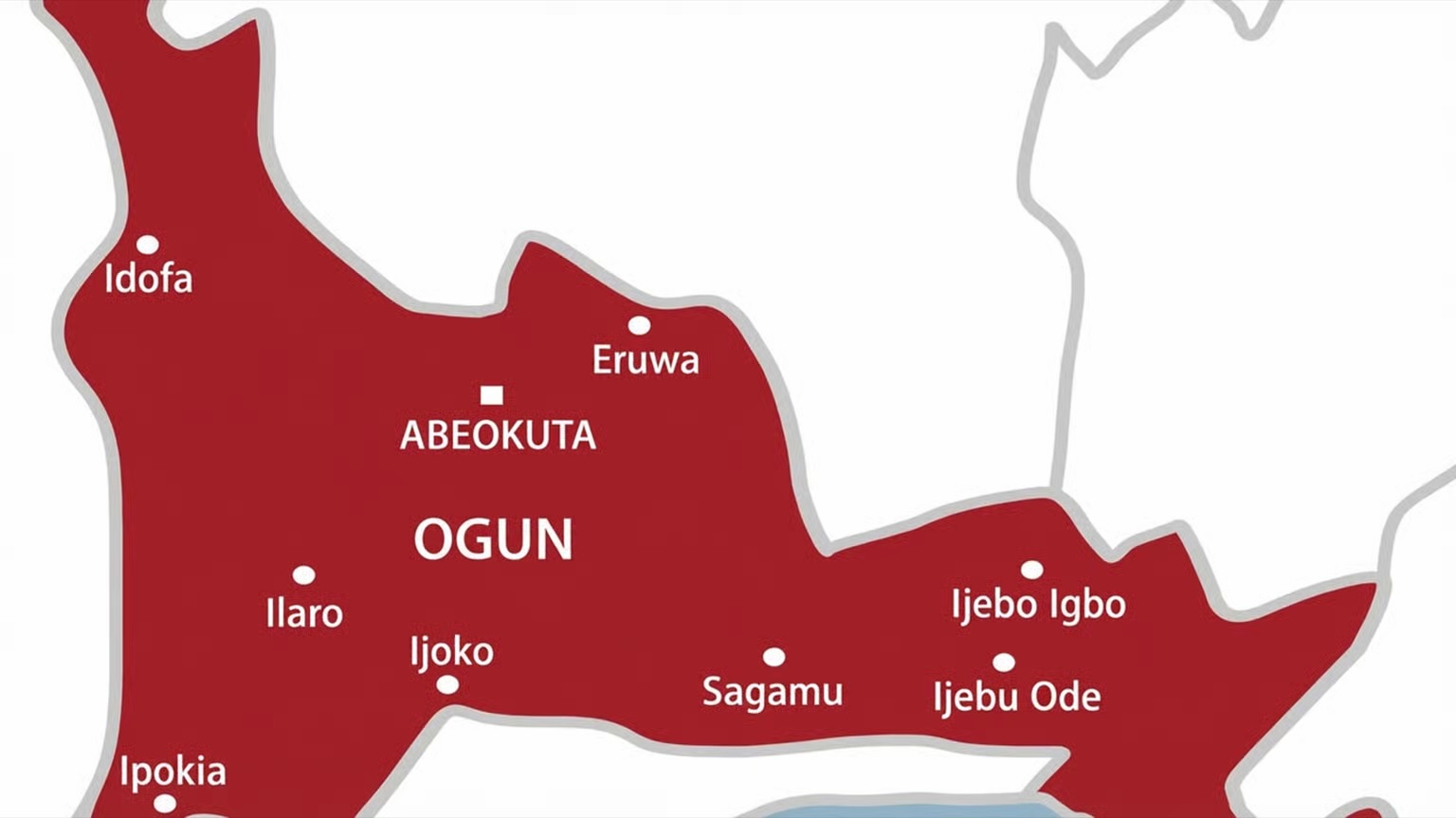
A fresh cloud of controversy has settled over Ijebuland. This is because eminent indigenous personalities, traditional institutions, and civic stakeholders have raised alarm over perceived procedural and legal breaches in the ongoing attempt to commence the selection of a new Awujale.
The Awujale stool, historically one of the most revered in Yoruba-land, carries not merely ceremonial significance but also serves as a cornerstone of identity, governance, and cultural cohesion in Ijebuland.
At the centre of the current debate is whether the succession process fully aligns with the 1959 Registered Chieftaincy Declaration on the Awujale Stool, as well as the recognised legal framework that delineates the rules, rotation, and authority of eligible ruling houses and their Kingmakers.
In a strongly worded public communication, community leaders have highlighted what they see as the apparent contradictions between government notifications and established customary law, beyond mixed-facts-and-law.
Here is the storyline:

Going by the traditional ethos of the Ijebus, the Fusengbuwa Ruling House was formally requested to present nominees, as well as core provisions of the 1959 Declaration, particularly as they relate to the legitimacy and recognised role of the thirteen kingmakers, known in Yoruba as the AFOBAJES.
This request appeared to have been overlooked, as these core provisions, in a going type of way, were insufficiently addressed.
This is given that these Kingmakers, who are historically vested with the authority to validate, nominate, and elect candidates to the Awujale throne, form the structural and symbolic backbone of the succession process.
However, emerging issues, values, and norms in the Awujale Kingship controversy, regarding formal recognition and participation, remain unresolved, creating an institutional lacuna that risks undermining the legitimacy of any outcome.
In fact, the emergence of an Interregnum Committee, seen by eminent sons and daughters of Ijebuland as a body without a recognised historical or cultural foundation in Ijebuland’s chieftaincy system, has further complicated matters.
Credible sources familiar with the matter say members of this committee have sworn affidavits asserting that they are not a kingmaking body, yet reports suggest that they continue to exert influence over succession deliberations.
Analysts note that such contradictions raise critical questions about propriety, transparency, transparency, and intent.
Similarly, it has potential implications not only for traditional governance but may affect the public perception of state authority overseeing cultural institutions, usually referred to as the Ministry of Chieftaincy & Local Affairs in most states of Nigeria.
The 14-day deadline given by the Ogun State Government for the submission of a credible candidate may have, on its own, heightened the current tension affecting the emotive appeals of the players in the entire procedures.
The traditional stakeholder interests in running the affairs and processes of Kingship selection and succession, in producing a credible and acceptable candidate of royalty, without imposition, should never go through or witness authoritative deadlines or time lines, wearing the garb of authoritarian disposition.
These esteemed members of the prestigious Ijebu royalty are of the opinion that normative procedures of regarding the Awujale Kingship Selection and Succession should be encouraged and allowed to hold in order to maintain and sustain the traditional heritage, culture, and sociology of ancestral practice, devoid of any air of influence-wielding or political leadership interference.
When any brand of imposition is made on those who are supposed to conduct a fair, opened-processed, and transparent selection and succession exercise, such would give room for unresolved disputes and unending crisis in the ancient Awujale Kingship Royalty.
Such a conditioned behaviour, authoritarianism, would no doubt affect the mindset, rational thinking, and perceptive thoughts of the AFOBAJES.
Scholars drawn from the domains of the Social Sciences and Law would argue that compressing a historically complex and culturally sensitive process into a narrow time frame would broaden the risk factors inherent in such experiences, ultimately bringing about violations, litigation, and public dissent.
The apparent dissonance between statutory deadlines and cultural legitimacy has, in turn, triggered extensive public debate, highlighting the intricate interplay between law, tradition, and governance.
Government intervention in such matters is very important, even as the approach requires a huge degree of emotional, cognitive, investigative, social, and native intelligence by appointed operatives of the Ogun State Government who are saddled with the official task of conflict resolution.
Recognising the potential signs for unrest, the Ogun State Government formally halted the ongoing selection exercise for a new Awujale on January 20th, 2026.
In a formal communication issued through the Ministry of Local Government and Chieftaincy Affairs, and duly signed by Commissioner Honourable Ganiyu Hamzat and addressed to the Chairman of Ijebu-Ode Local Government, the government cited the following factors as serious issues that have capacity to public disorder and crisis:
{1} Multiple petitions and credible intelligence reports from security agencies.
{2} Concerns over public order, peace, and communal cohesion, and
{3} Sustaining the sacred and symbolic status of the Awujale stool.
This interventionist mechanism by the Government of Ogun State constitutes the second government conflict-resolution approach in the succession process.
The animated royalty crisis first witnessed institutional intervention in December 2025.
At this time, procedural irregularities were allegedly identified, leading to the government ordering a fresh start of the nomination exercise, as stipulated by law, leading to the process being halted.
The instinctual reasoning of the Ogun State Government, as well as action taken, demonstrates an acute awareness of the social, legal, and political stakes involved, underscoring its commitment to safeguarding both the integrity of the Awujale institution and the broader peace of Ijebuland.
From a governance standpoint, the intervention can be interpreted as a proactive and protective measure rather than arbitrary interference.
Other world views may reason otherwise, based on the social scientific concept of person-perception.
The Ogun State Government’s decisive action illustrates the delicate balancing act between respecting customary authority and fulfilling the government’s statutory mandate to prevent unrest.
By preempting potential conflict and nipping it in the bud, the Ogun State Government positioned itself not as a disruptor of tradition but as a custodian of orderly governance, cultural respect, and legal propriety.
Legal and Cultural Context
The Awujale succession processes, from A–Z, as a legal and cultural exercise that is guided by traditional norms, is governed by a combination of statutory instruments and customary law.
In other words, it means a dual framework designed to preserve historical continuity while accommodating modern governance principles as part of global social change traits.
The 1957/1959 Awujale Chieftaincy Declaration establishes the rotational order among eligible ruling houses and formalises the authority of the AFOBAJES.
It articulates the procedures for nomination, vetting, and validation, creating a system that balances intra-house competition with institutional legitimacy.
The Ogun State Obas and Chiefs Law (2021) also provides a statutory mechanism for government intervention, empowering state authorities to act when succession exercises threaten peace, violate statutory provisions, or undermine the integrity of traditional institutions.
This is the correct position of the law, “beyond mixed-facts-and-law”, according to Lateef Fagbemi, SAN {2010}, in the legal matter between Rotimi Chibuike Amaechi vs Celestine Omehia, supra.
Experts and historians assert that these legal instruments are complementary. While the 1959 Declaration preserves cultural legitimacy and historical continuity, the 2021 law equips the government on how best to manage risk, ensure procedural compliance, and maintain public order.
Consequently, the Ogun State Government’s intervention aligns with both legal imperatives and moral responsibility, reinforcing the legitimacy of the process while precluding potential destabilisation.
The study of sociology globally recognises two types of societies, namely the organised society and the disorganised society, but happily, we belong to the organised society, which brings to our individual and collective consciousness the need to take a look at the socio-political implications of the ongoing subject.
It is an uncontestable fact that in virtually every African society, Nigeria inclusive, and herein exemplified by experiences and lasting impressions in Yoruba land, chieftaincy disputes frequently extend beyond the confines of local politics.
They resonate deeply with issues of identity, historical continuity, and communal cohesion, rendering mismanagement a potent source of social unrest.
In Ijebuland, the Awujale stool carries profound cultural resonance; the individual occupying this throne is not merely a ceremonial figure but a custodian of tradition, moral authority, and regional identity.
Any perception of short-cutting due process or circumventing established customs, traditional values, and norms could erode public trust in both traditional institutions and governmental authority.
Furthermore, the controversy highlights the broader governance challenge of integrating statutory oversight with cultural autonomy.
On one hand, traditional institutions derive authority from centuries of established practice, and on the other hand, modern state structures carry a legal and moral responsibility to maintain order, enforce statutory norms, and prevent communal conflict.
The Awujale succession crisis exemplifies this tension, offering a lens through which scholars and policymakers can examine the interaction of law, custom, and governance in contemporary Nigeria.
A research-oriented analysis of the unfolding situation reveals a dual-dimensional challenge aimed at balancing tradition, law, and democratic governance, even as local community concerns become paramount in this instance.
The insistence on strict adherence to the 1959 Declaration underscores the moral and cultural imperatives of legitimacy.
The unresolved status of the Kingmakers and the unconventional formation of the Interregnum Committee raise substantive questions regarding procedural fidelity.
These anomalies threaten to illegitimise the succession process if left unresolved, potentially sowing long-term discord among the ruling houses, their constituencies, and very loyal and law-abiding subjects.
The role of the Ogun State Government in the resolution of the crisis is as important as it is sensitive.
Government’s intervention reflects prudent, forward-looking crisis management, as halting and pausing the selection, the state operatives have preempted potential conflict, demonstrating the state’s critical role as custodian of order, law, and cultural heritage.
Analysts suggest that the government’s action represents a model of preventive governance, where legal and cultural imperatives are harmonised in the service of peace and institutional credibility.
In effect, the government’s decisive intervention protects Ijebuland from a preventable chieftaincy crisis.
Far from undermining tradition, it reaffirms the lawful, orderly, and culturally grounded nature of succession, offering a blueprint for managing complex intersections between statutory authority and traditional institutions in Nigeria.
Historically, succession disputes over prominent Yoruba stools, including those in Oyo, Ibadan, and Egbaland, have often escalated into protracted legal battles and even violent confrontation, offering a tie-back to the historical and comparative scenario of how animated disagreements have shaped and defined ancient royal stools and Kingship ambitions.
Scholars note that successful mediation generally occurs when state intervention respects both customary legitimacy and procedural fairness.
In the present context, the Ogun State Government’s actions echo these historical lessons, illustrating the efficacy of timely and quick-interventionist roles, to borrow the operational expressive concept of community policing.
Using the Awujale Kingship Succession Controversy as a case-study, it can be said that, comparatively, similar interventions in other jurisdictions within West Africa have shown that governmental quick-interventionist approaches towards pausing crisis in kingship succession experiences are usually backed by legal authority and cultural sensitivity.
This aims to prevent broader communal unrest, protect institutional integrity, and enhance public confidence in both traditional and governmental institutions.
The Ijebuland case thus represents not only a local concern but a model for the governance of cultural institutions under statutory frameworks across the region and even other regions of Nigeria.
Recommendations for a Lawful and Culturally Rooted Succession is no doubt the route to peaceful resolution of kingship crisis, and in this instance, the Ogun State Government should be commended and further urged to show transparency at the end of the resolution of the crisis.
The ongoing saga presents several clear pathways for restoring confidence and ensuring legitimacy:
{1} Resolution of the Kingmaker dispute: through an independent verification process, should confirm the composition, authority, and eligibility of the thirteen AFOBAJES, as this verification must be transparent, legally binding, and culturally recognised.
{2} Re-establishment of a culturally valid timeline for shortlisting the right candidate for onward submission, as well as vetting the same, as a timetable that aligns with customary law and statutory oversight, in addition to allowing sufficient time to address disputes and petitions, should be put in place by the Executive Governor of Ogun State, His Excellency, Dr Dapo Abiodun.
{3} Strict adherence to statutory and customary law, where every action should comply fully with the 1959 Chieftaincy Declaration and the Ogun State Obas and Chiefs Law, creating a process that is defensible both legally and socially.
{4} An enhanced stakeholder engagement is advised, housing critical stake-holding interests such as Ruling Houses, Traditional Councils, Civic Groups, and Government Representatives.
These esteemed personalities should be actively involved in consultation processes, ensuring the process is inclusive, transparent, and widely accepted.
These measures, if implemented diligently, will restore Faith in the Succession Process, apart from reinforcing the authority of the Awujale stool, as well as demonstrate that government’s intervention, when exercised judiciously, serves the public interest.
The Awujale succession crisis underscores the complex interplay between law, tradition, and governance, pointing to how cultural legacy and political leadership governance can co-exist in the human resources crisis management procedures affecting traditional institutions, taking cognisance of sociological concept of group dynamics or group facilitation effects in a very civilised society like Ijebuland.
The community’s insistence on procedural legitimacy reflects deep-seated cultural and moral values long held in esteem by tradition, while the government’s intervention illustrates positive control and regulatory measures on issues, values, and norms that define culture, tradition, and societal practices in development administrative settings and democratic governance.
By halting the process, Ogun State authorities have prevented a potential crisis, safeguarded communal harmony, and reinforced public confidence in the integrity of both traditional institutions and the state apparatus.
Ultimately, a succession process that honours tradition, respects statutory law, and prioritises social cohesion will serve as a model for the management of cultural institutions across Nigeria.
The Awujale throne, steeped in history and symbolic authority, requires nothing less than a selection process that is lawful, culturally grounded, and widely recognised as legitimate.
In this context, the government’s decisive action is not merely administrative; it is a strategic intervention to protect heritage, preserve peace, and ensure that the succession embodies both law and tradition.
The resolution of this saga will have far-reaching implications for traditional governance, legal compliance, and societal harmony.
As Ijebuland and the broader Yoruba nation observe the process, the balance achieved between custom, law, and state oversight will serve as a benchmark for future successions, demonstrating that prudence, legality, and respect for tradition are not mutually exclusive but mutually reinforcing.
Eneta, Ejike-Umunnabuike Jr, and Hajia Sheriff wrote from Abuja