News
Lagos opens coroner’s inquest into death of Chimamanda’s son

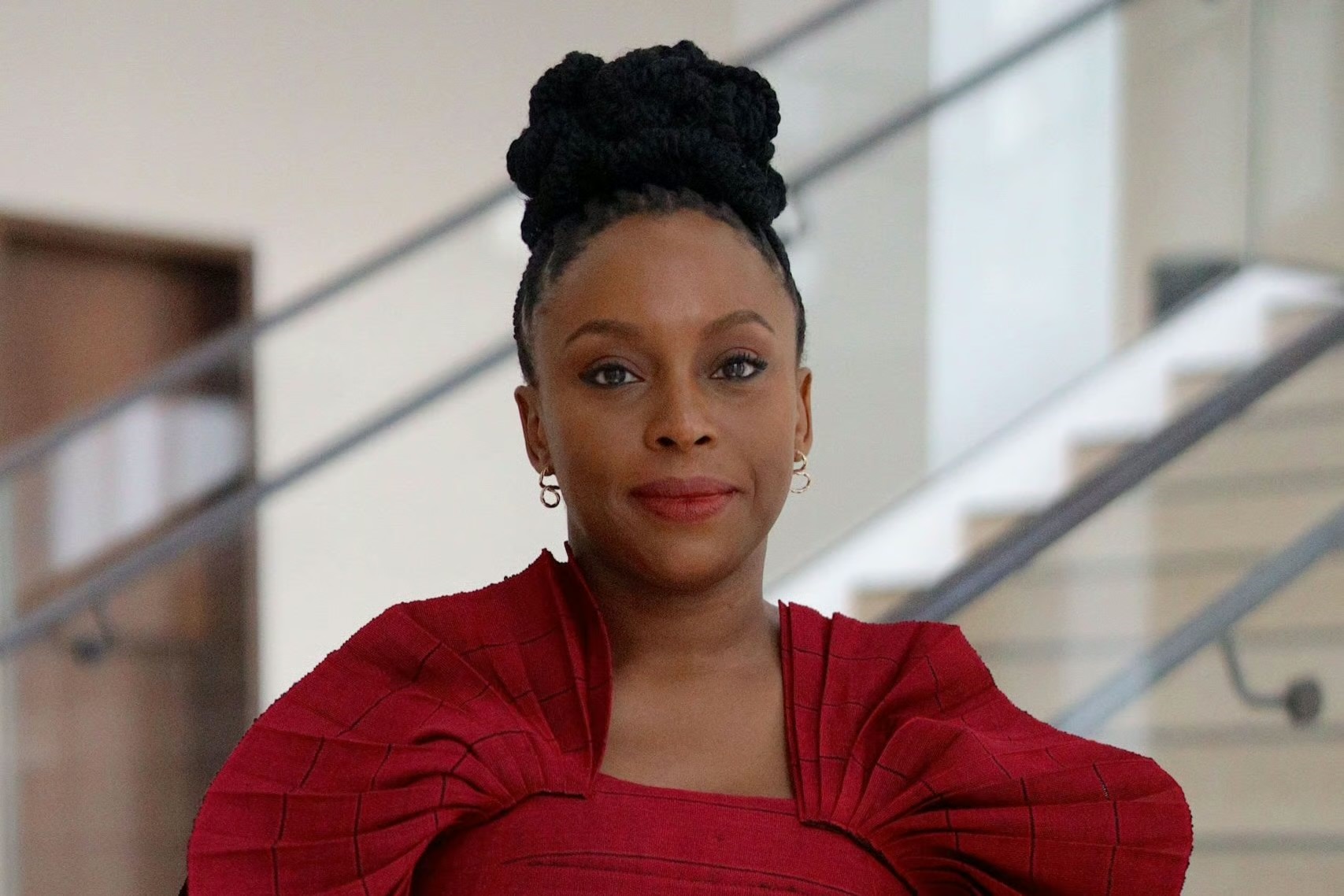
A coroner’s inquest has been opened in Lagos to examine the circumstances surrounding the 6 January death of the 21-month-old son of acclaimed Nigerian writer Chimamanda Ngozi Adichie.
The toddler died at a private hospital, Euracare, in Nigeria’s commercial capital. Adichie’s family has alleged medical negligence, raising concerns about the reported use of propofol, a fast-acting intravenous anaesthetic.
Nkanu Nnamdi was one of the twin boys that Chimamanda and her husband, Ivara Esege, welcomed in 2024. The couple publicly announced the birth in February 2025 ahead of the release of the author’s latest novel, Dream Count.
The tragedy has cast an uncomfortable spotlight on Nigeria’s healthcare system, which has long grappled with underfunding, regulatory gaps and declining public confidence.

Pressure from Chimamanda’s lawyer
In January, the Lagos State government pledged to investigate the circumstances of the death. Adichie’s lawyers subsequently wrote to Euracare Hospital demanding the preservation and release of all medical records, signalling readiness for a legal confrontation.
“Any destruction, alteration or loss of such evidence after receipt of this letter shall be regarded as suppression or concealment of evidence and obstruction of the course of justice, and will be relied upon accordingly, with attendant legal consequences,” the law firm wrote.
Bala Audu, president of the Nigeria Medical Association (NMA), urges restraint pending scientific findings.
“We need to have a post-mortem to determine the cause of death,” he tells The Africa Report. “There are so many questions that need to be answered plainly and scientifically for anybody to be able to make a case.”
Inquest could pave the way for prosecution
The inquest to be held at a magistrates’ court in Yaba will hear testimony from medical personnel, expert witnesses and other relevant parties before issuing findings and recommendations.
While the inquest is not a criminal trial in itself, it may crystallise into one if the coroner finds the doctor and the hospital were negligent.
Senior lawyer Olisa Agbakoba, whose firm says it has handled more than 50 medical negligence cases over the past two decades, stressed that “investigations must be genuinely independent and transparent”.
According to Agbakoba, the case reinforces the need for stronger oversight of Nigeria’s healthcare system.
“The time for a comprehensive overhaul of Nigeria’s health system is long overdue,” he said. “This is a matter of national emergency that demands immediate legislative and executive action.”(The Africa Report)
-

 News8 hours ago
UK Port Deal: Nigeria Taking Loans To Fund British Economy, Says ADC
-
News8 hours ago
Tinubu’s Ally To Handle N1.4trn Lagos Ports Project
-
Business8 hours ago
Fresh fuel import licences trigger Dangote export threat
-
News8 hours ago
IG Directs Police to Get to Root of GBV in Delta Community
-
Politics8 hours ago
APC to Retain Zoning Formula, National Executive, Say Progressive Governors
-
Business7 hours ago
Nigerians’ Woes Deepen As Petrol Hits N1,400/L
-
Business8 hours ago
MTN Explains Record N1trn Investment, Persistent No Coverage Zones
-
Politics8 hours ago
Any PDP Member With Wike is an Enemy of Democracy – Makinde