World News
Mojtaba, Khamenei’s son, appointed as Iran’s new supreme leader

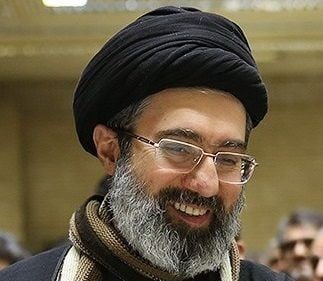
Mojtaba Khamenei, the second son of the late Ayatollah Ali Khamenei, has been named Iran’s new supreme leader, state media report.
The 56-year-old younger Khamenei was announced as his father’s successor on Sunday after a vote by the assembly of experts, a group of clerics responsible for the appointment of Iran’s highest authority.
His father was killed last Saturday in US and Israeli strikes on Iran.
In recent years, Khamenei, who was close to his late father, had been increasingly touted as a potential successor but he has never publicly discussed the issue.

Ahead of Khamenei’s succession announcement, Ayatollah Hosseinali Eshkevari, a member of the assembly of experts, said the body had voted and a candidate had been chosen.
“The name of Khamenei will continue,” Eshkevari said in a video published in Iranian media.
“The vote has been cast and will be announced soon.”
Iran’s supreme leader has the final say in all matters of state in the Islamic Republic, above the president.
Khamenei’s ascension to the role could create a dynasty reminiscent of the Pahlavi monarchy before the 1979 Islamic revolution.
On Friday, Reza Pahlavi, exiled Iranian crown prince, saidhe had accepted the “call” to be the country’s next leader.
Pahlavi is the eldest son of Mohammad Reza Pahlavi, the last Shah of Iran and is widely regarded as the most prominent figure in the opposition to the Iranian government.
Meanwhile, the White House has yet to publicly react to the news of Khamenei’s appointment.
Earlier, US President Donald Trump said the next Iranian supreme leader “is not going to last long” if the Middle East country does not get America’s approval first.
Trump has repeatedly said he must be consulted before the country’s choice of leadership is made but Iran has rejected the plan.
In a statement, the assembly of experts said Khamenei was chosen based on a “decisive vote”.
The clerical body urged Iranians, “especially the elites and intellectuals of the seminaries and universities”, to maintain unity and pledge support to Khamenei.
-

 News16 hours ago
Vehicles Destroyed As CNG Bus Explodes At Kaduna Park
-
News16 hours ago
BREAKING: Tinubu Approves N3.3trn Plan To Tackle Electricity Crisis
-
Politics16 hours ago
ADC Dismisses David Mark’s Resignation Rumour
-
Politics23 hours ago
Factional ADC Chair Now Has Security, Moves Around Like A Governor – Atiku
-
News23 hours ago
Prof Jega Loses Wife
-
News16 hours ago
Troops Deal Major Blow To Bandits, Kill Warlord’s Son, Key Commanders
-
Politics8 hours ago
INEC puts voters revalidation plan on hold
-
News13 hours ago
Suspected herders kill 17 in attack on Benue community