Business
Namibia blocks Elon Musk’s Starlink from operating in the country

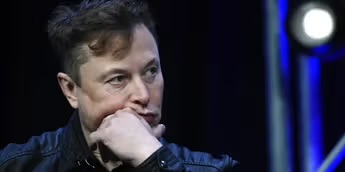
Namibia has rejected billionaire Elon Musk’s Starlink from operating in the country, denying the satellite internet company both a telecommunications license and access to radio spectrum.
The Communications Regulatory Authority of Namibia (CRAN) published the decision in an official government notice on Monday, March 23.
The notice did not provide specific reasons for denying Starlink’s applications but said the regulator could reconsider the decision either “on its own motion or on a petition filed by an aggrieved party” within 90 days.
In November 2024, CRAN issued a cease-and-desist order against Starlink, accusing it of operating without a license. The regulator also warned consumers against purchasing Starlink equipment and confiscated terminals that were deemed illegal.

Africa Expansion Hits Snags
Starlink, operated by SpaceX, has expanded rapidly across Africa since launching on the continent, starting in Nigeria in January 2023. By October 2023, it was active in seven countries: Nigeria, Kenya, Mozambique, Rwanda, Malawi, and Zambia, and has since grown to at least 25 nations.
Despite its rapid growth, Starlink has faced significant regulatory challenges and resistance from state-owned telecom operators in several countries, including South Africa, Zimbabwe, and Cameroon.
Elon Musk has cited South Africa’s telecommunications ownership rules as a barrier to Starlink launching in his birth country, despite strong consumer demand. He claims the company has been unable to secure an internet service provider license solely because he is not black.
Available in 150+ countries, territories, and other markets around the world, Starlink delivers speeds up to 400+ Mbps in most places globally.
-

 News22 hours ago
SSS breaks into Malami’s residence, disperses occupants amid Atiku’s visit to embattled ex-attorney general
-
News22 hours ago
BREAKING: IGP Disu Redeploys Police Commissioners, Ezima Heads Cybercrime Centre, Ehindero To FCID Admin
-
Metro22 hours ago
I was lured with food, money, Baba Ijesha rejects paedophile tag
-
Social Media News24 hours ago
OnlyFans owner Leonid Radvinsky dies of cancer at 43
-
Politics7 hours ago
Hamzat, Yayi, Alli may emerge APC consensus gov candidates
-
News22 hours ago
ICPC to arraign El-Rufai over fraud, money laundering in Kaduna Tuesday
-
News7 hours ago
M’East war may force Nigerians to work from home – Dangote
-
Metro22 hours ago
NYSC official arraigned over death of female corps member after suspected abortion