Business
Northern farmers, workers count losses as heatwave disrupts commercial activities

Heat remains a natural component of the environment, playing a crucial role in agriculture, food drying, and other economic activities across the world.
However, when temperatures become excessive, the same heat turns dangerous, posing serious health risks, reducing productivity, and worsening living conditions for residents already grappling with infrastructural challenges.
In Nigeria’s North Central region, the ongoing heatwave has been largely linked to broader climate change patterns, according to the Nigerian Meteorological Agency (NiMet). Rising global temperatures, shifts in rainfall patterns, and prolonged dry seasons have made extreme heat events more frequent and intense.
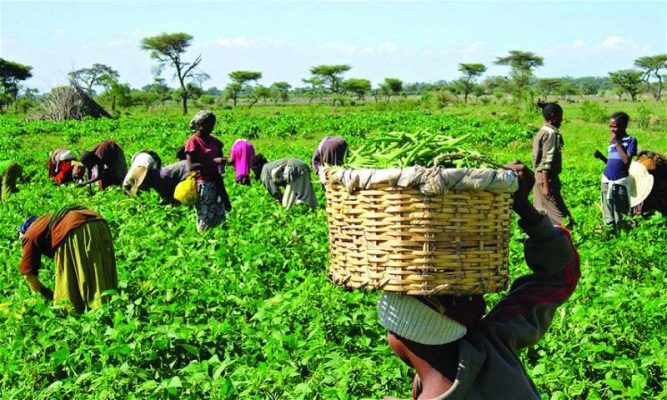
Consequently, commercial activities and farming investment are currently troubled in Northern Nigeria, especially in the North-Central States as heatwave is on the increase, while manhour is wasting away without profitable engagements by the working population in the geopolitical region of the Country.

NiMet warned Nigerians to prepare for rising heat stress as the country gradually transitions from the dry season to the rainy season, particularly across the southern region.
In its daily weather outlook for Monday, March 9, 2026, posted on X, the agency said daytime temperatures are expected to remain high nationwide, ranging between 30°C and 40°C, with peak temperatures of between 38°C and 41°C likely across parts of northern and north-central States.
NiMet noted that the persistent hot conditions, combined with increasing humidity in some areas, could lead to thermal discomfort for residents, including those in Abuja, the Federal Capital Territory.
Residents in Plateau, Benue, Kwara, and Kogi States report that temperatures feel higher than in previous years, with longer periods of sunshine and warmer nights disrupting daily life.
Experts say local conditions also contribute to the intensity of the heat. deforestation, indiscriminate tree cutting, and the burning of charcoal and firewood reduce natural shade and moisture retention, while low vegetation cover in urban and rural areas increases exposure to direct sunlight.
In cities such as Lokoja, Ilorin, and Makurdi, the combination of dry winds, concrete infrastructure, and limited tree cover amplifies the heat, making temperatures feel more severe. In contrast, higher-altitude Jos retains a relatively cooler climate because of its elevation and naturally cooler Plateau winds.
Additionally, human activities, including unplanned urbanization, over-reliance on firewood, and limited access to green spaces, exacerbate the heat. Lack of reliable electricity forces residents to spend more time in open, unshaded areas or poorly ventilated homes, increasing health risks such as dehydration, heatstroke, and fatigue.
These combined factors explain why some areas in North Central Nigeria experience unbearable heat, while others, like Jos, remain moderately cooler.
Across Plateau, Benue, Kwara, and Kogi states, residents say the current heatwave is not only intense but increasingly unbearable, with many noting that it feels worse than in previous years.
Plateau rising heat disrupts daily life, worries residents
Jos, Plateau State capital, widely known for its relatively mild weather, residents say the rising temperatures are becoming more noticeable despite the city’s high altitude advantage. Although Jos still offers some relief compared to other North Central cities, many residents insist that the difference is gradually narrowing.
A civil servant, Mary Gyang, said the heat in Jos had started affecting daily productivity and comfort levels. “The afternoons are now too hot to concentrate, which was not the case before. But it is still better than when I travel outside Jos,” she said.
Farmers in parts of Plateau, including Shendan and Mangu, have reported drying of farmlands due to prolonged sunshine. The development, they said, is forcing them to adjust planting schedules, raising fears of reduced harvests if the trend persists.
Extreme heat in Kwara triggers health warnings from medical experts
In Ilorin, the Kwara State capital, medical experts have raised alarm over the health implications of the ongoing heatwave.
Omotesho Olumuyiwa, Chief Medical Officer, Health Services, University of Ilorin, warned that the ongoing heat wave could lead to dehydration; a condition marked by a deficit in the body’s water content. According to him, water makes up about 60–70 per cent of the human body weight, and any sudden imbalance in total body water, if not promptly corrected, could result in serious health complications.
He explained that symptoms of dehydration caused by extreme heat include weakness, irritability, lethargy, dry mouth, loss of consciousness, and, in severe cases, shock.
Olumuyiwa added that heat-related injuries might include sunburn—particularly on exposed parts of the body—while accidents such as head injuries and fractures could occur if individuals collapse due to excessive heat. He also noted that severe shock could lead to renal injury or failure, alongside rashes and eye-related issues.
To prevent heat-related illnesses, he advised wearing light-coloured clothing to reduce heat absorption, staying indoors during peak heat periods (between 12 noon and 4 p.m.), using umbrellas, wearing hats or caps, and seeking shade under trees or sheds. He also stressed the importance of adequate hydration, recommending the intake of at least three litres of water daily.
The medical practitioner further recommended the application of petroleum jelly for minor rashes and burns, while noting that more severe cases should be treated at a hospital. He added that the use of fans and air conditioners could also help mitigate the effects of extreme heat, which may otherwise lead to serious complications requiring emergency medical attention.
Residents say the heat is even more challenging during the fasting period. A civil servant, Ibrahim Hamza, described the situation as particularly difficult. “It is only by divine favour that we are able to fast this year. It has been really tough. At times, I feel like breaking my fast midway because of the heat and lack of electricity. As I speak with you, I often feel weak and find myself dozing off at work, which has never happened to me in previous years,” he said. He expressed hope that the weather would become cooler soon.
Benue farmers lament losses as heat, drought destroy crops
In Makurdi, farmers say the impact of rising temperatures is already being felt in agricultural production.
Aondongu Saaku, former State Chairman of the All Farmers Association of Nigeria, said climate change has disrupted planting and harvesting cycles. “Before now, planting season usually starts in April, but the coming of this climate change has disrupted everything; some farmers do not even know when to plant again,” he said.
“In the last two years most farmers were caught in the web of losing what they planted as all their crops could not germinate due to absence of rains, occasioned by drought and scorching sun that brought excessive heat.”
Saaku added that prolonged dry spells had dried up water sources, affecting irrigation and livestock production.
“In some instances when the rain resumes it comes heavily, thereby causing devastating floods which usually washes away fertile land, crops, and even livestock,” he said.
He warned that such climate-related shocks are pushing vulnerable farmers deeper into poverty while worsening food insecurity.
The farmers’ leader called on government to provide insurance schemes and promote climate-smart agriculture to help mitigate risks.
Also speaking, Ushakuma Anenga, a public health analyst, warned residents against unhealthy coping practices. He urged residents to avoid sleeping in unventilated apartments, staying too long under the sun, and overcrowded places. According to him, such conditions could expose individuals to health hazards like heatstroke, skin rashes, sunburn, dehydration, and respiratory infections. He advised residents to always stay hydrated, sleep in well-ventilated spaces, and avoid dusty environments for better health.
Residents in Benue communities described the situation as unbearable, citing water scarcity and lack of electricity as major challenges. “The worst part of this excessive heat is when you are constantly buying water, paying for light every month but cannot see it, and no one is saying anything; it is only in Nigeria that the common man is paying for the comfort of a big man,” some residents said.
Kogi scorching heat disrupts work, raises public health concerns
In Lokoja, the situation appears even more severe, with temperatures rising to about 38 degrees Celsius. Residents say the scorching sun, combined with dry winds and prolonged sunshine, has turned daily activities into a struggle. Commercial motorcyclists, traders, construction workers and schoolchildren are among those most affected.
Sunday Olasimeji, a health expert warned that sustained high temperatures increase the risk of dehydration, heat exhaustion and severe cases of heatstroke. “These conditions are common in busy areas such as Ganaja Junction, Sango, Kabawa, Cantonment, Lokongoma, International and Old Markets, where many residents complain of headaches, fatigue, and dizziness after spending long hours outdoors,” he said.
He added that elderly people and those with underlying health conditions are particularly vulnerable.
Olasimeji noted that lack of steady electricity had made nights uncomfortable for many families, limiting access to cooling systems. “It must be stressed that reduced productivity during peak heat hours affects income levels, while increased spending on water and cooling alternatives adds to household costs,” he said.
Aliyu Mohammed, a Town Planner and retired Civil Servant, called for improved urban planning and climate resilience measures. “Expanding tree-planting initiatives, improving water supply systems, and ensuring more reliable electricity would significantly ease the burden on residents,” he said.
He also urged the Authorities to intensify public health awareness campaigns and provide shade in public spaces.
Some residents expressed fears over health risks, including meningitis, as temperatures continue to rise.
Similarly, Muhammed Sanni, a motorcyclist, said he had suspended work during peak afternoon hours to avoid accidents caused by heat-induced dizziness. He, however, lamented that the reduced working hours have significantly cut his daily income.
Across the North Central region, residents and experts agree that the current heatwave underscores the urgent need for coordinated action. They called for improved infrastructure, public awareness, and environmental protection measures to mitigate the growing impact of extreme heat on health and livelihoods. (BusinessDay)
-

 News22 hours ago
SSS breaks into Malami’s residence, disperses occupants amid Atiku’s visit to embattled ex-attorney general
-
News22 hours ago
BREAKING: IGP Disu Redeploys Police Commissioners, Ezima Heads Cybercrime Centre, Ehindero To FCID Admin
-
Metro22 hours ago
I was lured with food, money, Baba Ijesha rejects paedophile tag
-
Social Media News24 hours ago
OnlyFans owner Leonid Radvinsky dies of cancer at 43
-
Politics7 hours ago
Hamzat, Yayi, Alli may emerge APC consensus gov candidates
-
News7 hours ago
M’East war may force Nigerians to work from home – Dangote
-
News22 hours ago
ICPC to arraign El-Rufai over fraud, money laundering in Kaduna Tuesday
-
Metro22 hours ago
NYSC official arraigned over death of female corps member after suspected abortion