• Nigeria faces $1.6 billion loss in two months of dwindling oil production
• Stakeholders raise concerns over oil theft, evacuation crisis, failure in DCSO
Renewed push by the Nigerian Upstream Petroleum Regulatory Commission (NUPRC) and the Nigerian National Petroleum Company Limited (NNPC) to increase oil production by fast-tracking approval for over 400 idle oil wells may be stalled by over $6 billion in capital requirements.
Stakeholders, in different interviews yesterday, said that while Nigeria is currently chasing benefits from the rising oil prices due to the crisis in the Middle East, immediate gains remain a mirage.

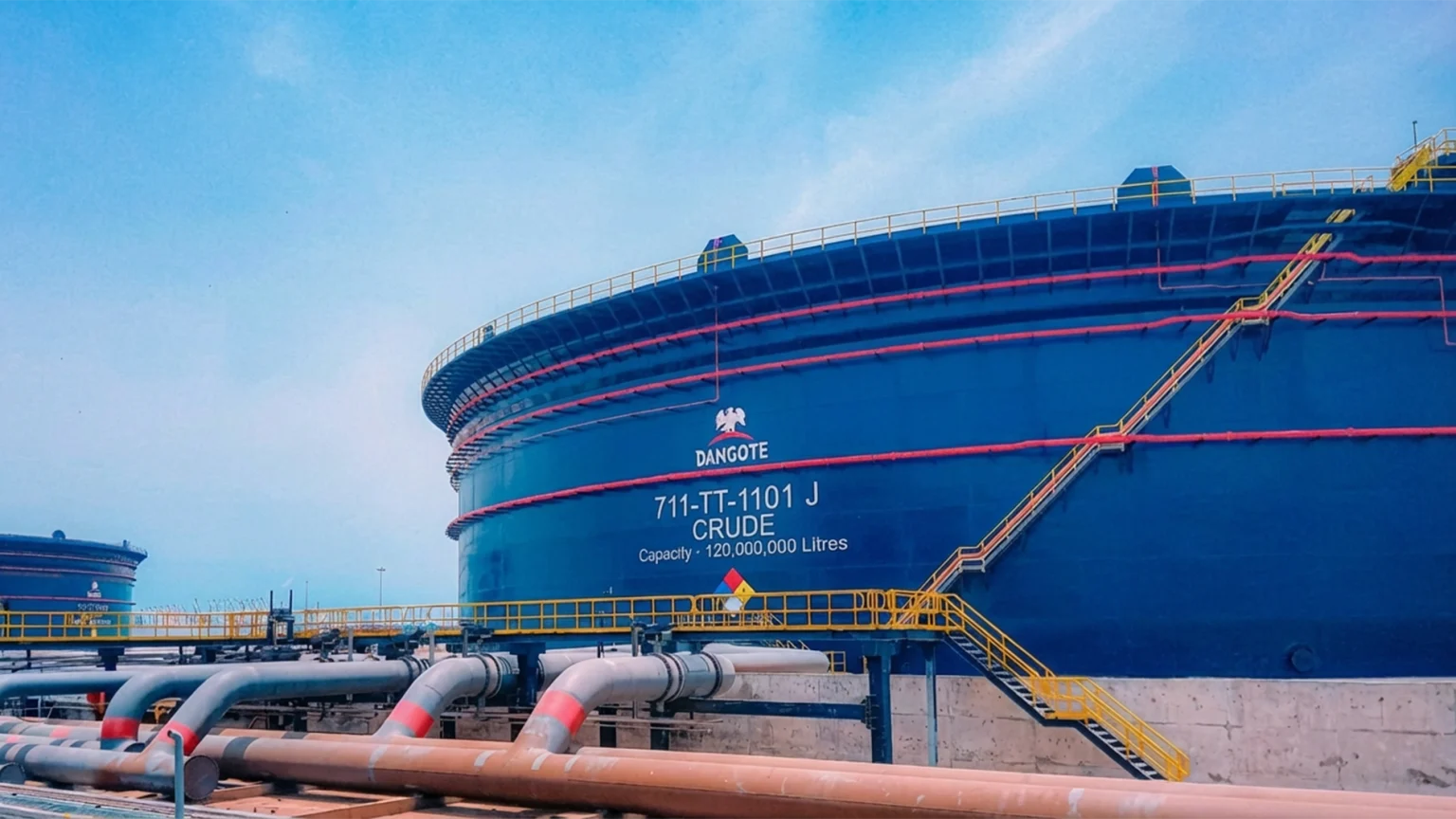
The development, they noted, would further impact crude oil supply to Dangote Refinery and the overall implementation of the Domestic Crude Oil Supply Obligations.
While the NUPRC, yesterday, revealed that approvals to re-enter dormant oil wells have been moved from weeks to hours, the Group Managing Director of NNPC, Bayo Ojulari,said the national oil company is targeting to add about 100,000 barrels per day capacity this month.
Already, there are concerns about Nigeria’s dwindling oil production, which dropped to 1.3 million barrels per day in February, shrinking supply to local refineries, especially Dangote Refinery, by over 60 per cent.
Sources at the refinery had told journalists that there was a shortfall of approximately 79.53 million barrels between October 2025 and mid-March 2026, instead of the 118.62 million it needed within the period.
In October last year, NUPRC said it identified about 400 dormant oil fields across the country. According to industry sources, spending on the well may cost between $5 to 25 million to produce oil. With the average being $15 million, the operators would collectively need $6 billion to be able to add to production figure aside the fact that the companies would need between six months to two years for the project.
Nigeria’s dwindling production, as against the fiscal target, has resulted in a loss of about 16.6 million barrels, which would have translated to about $1.6 billion, going by the average oil price of $100 to a barrel.
Industry stakeholders, though, hailed faster approvals but insisted that beyond regulatory efficiency, the fundamental constraints of capital, infrastructure and contractual discipline continue to weigh heavily on Nigeria’s oil production outlook.
A petroleum economist and former President of the Nigerian Economic Society, Prof. Adeola Adenikinju, said while the decision by the Nigerian Upstream Petroleum Regulatory Commission to accelerate approvals was commendable, it would not translate into immediate production gains.
He noted that the oil sector remains heavily capital-intensive and largely dollar-denominated, making financing a critical bottleneck.
According to him, without deliberate intervention to support operators financially, the fast-tracked approvals may yield limited results in the short term.
Adenikinju said, “The step taken by the regulator is in the right direction, but I’m not sure its immediate impact on Nigeria’s current oil production will be significant. Accelerated approvals alone will not lead to a major increase in output unless there is access to funding and support for operators to execute these projects.”
He added that while the policy could ease long-standing bureaucratic bottlenecks, it would take time for operators to mobilise resources, secure equipment and commence production from dormant wells.
The implication, he warned, is that Nigeria’s ambition to quickly ramp up output in response to favourable global oil prices may remain elusive, especially as geopolitical tensions continue to reshape crude trade flows.
Adenikinju also raised concerns about crude supply arrangements to the Dangote Refinery, stressing that the absence of firm contractual obligations could undermine domestic supply priorities.
“I’m not certain how much of the locally sourced crude is tied to firm contracts. If contracts exist, suppliers can be held accountable. But if procurement is based on availability, producers may prioritise short-term gains,” he said.
Adenikinju explained that with rising spot prices driven by geopolitical tensions, including the ongoing crisis involving the United States and Israel, oil producers may be incentivised to sell crude on the international market to earn foreign exchange rather than supply local refineries.
“Without legal backing and enforceable agreements, policy alone may not ensure compliance,” he added.
Energy expert Henry Adigun was critical in his assessment, dismissing expectations of any immediate impact from the policy shift.
“How do you want it to work? These approvals alone won’t change anything immediately,” he said. “Activities take time to implement, and the entire supply chain is affected. You can’t expect instant results.”
According to him, even with approvals in place, operators still face significant hurdles, including financing, logistics and market uncertainties.
“Even if you approve it today, it doesn’t mean people will have money tomorrow. You can’t bypass logistics and processes. The system requires careful coordination, and implementation isn’t instantaneous,” he said.
Adigun stressed that the expectation of a rapid increase inoil output within months was unrealistic, noting that the lifecycle of oil production projects from planning to execution typically spans several months to years.
“There’s nothing in the short term that will change. Maybe in one or two years, you could see some benefit,” he added.
He further explained that reactivating dormant wells involves complex technical and financial processes, including securing drilling equipment, mobilising personnel and accessing international capital.
“You can’t drill immediately just because approval is granted. Even if a well is approved tomorrow, you still need to arrange logistics, equipment and financing,” Adigun said.
The situation is compounded by the high cost of re-entry operations, which industry estimates place between $5 million and $25 million per well. With hundreds of idle wells identified, the cumulative investment required presents a significant barrier for operators already grappling with financial constraints.
Partner at Kreston Pedabo, Olufemi Idowu, said despite the accelerated approval process, Nigeria’s ability to sustainably reach the 1.84 million barrels per day target could be constrained by oil theft, infrastructure gaps, and underinvestment in upstream operations.
He said: “I believe that without addressing these systemic issues, faster approvals alone may not guarantee lasting production growth.”
He raised concerns over weak enforcement of DCSO, saying it may undermine local refineries, raise costs, and erode investor confidence.
“In the short term, Nigeria must prioritise strict enforcement of crude supply obligations to domestic refineries, while in the long term, upstream incentives and infrastructure reforms are essential to attract new investment and ensure energy security,” Idowu said.