Business
Taiwo Oyedele admits to errors in new tax laws, says corrective measures underway

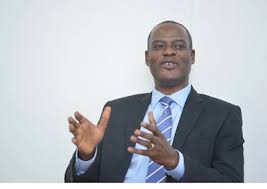
Taiwo Oyedele, the minister of state for finance, has admitted to errors in Nigeria’s tax reform laws, assuring that measures are underway to correct the identified issues.
Oyedele was addressing concerns on the reported discrepancies in the new laws during a fireside chat at the 2026 annual conference of the Nigerian Bar Association (NBA) section on legal practice.
The event was themed ‘From Policy to Practice: Making Sense of Nigeria’s New Tax Reforms’, according a statement from the fiscal reforms committee.
On December 17, 2025, Abdussamad Dasuki, a member of the house of representatives from Sokoto, claimedthat the gazetted tax laws available to Nigerians are different from the laws passed by the national assembly.

In response, the house constituted a seven-member panel to investigate the alleged discrepancies.
Oyedele had asked Nigerians to wait for the findings of lawmakers regarding the matter.
In a social media post on Friday, the fiscal reforms committee said the minister acknowledged “that errors occurred due to manual processes and multiple stages of review” in the law-making process.
Oyedele said steps are already underway to correct the identified issues through a proposed finance bill.
“What we need is a more transparent and reliable legislative process where every version of a law is publicly available,” he said.
Oyedele assured that enforcement of the new tax laws would not be arbitrary, noting that the reforms are anchored on clear policy intent, transparency, and fairness.
He also stressed the importance of understanding the rationale behind tax laws rather than focusing solely on their provisions, adding that policy intent should guide both interpretation and implementation.
The minister highlighted inconsistencies in Nigeria’s previous tax regime, particularly the disparity between personal and corporate tax burdens, which he said discouraged business formalisation.
Oyedele said the reforms are designed to incentivise business formalisation, ensure policy consistency, and reduce discretion in tax administration.
Reflecting on past challenges, he said policy inconsistencies, including abrupt proposals to increase taxes on gas companies, had previously discouraged foreign investment.
“If policies can change overnight, it sends the wrong signal to investors. Consistency is critical,” he said.
‘TAXING LOW EARNERS AGGRESSIVELY UNJUST’
On inclusivity, the policy expert said the new tax framework protects low-income earners and small businesses, noting that individuals earning about N1 million annually and millions of small businesses have limited capacity to pay taxes.
“Nearly half of working Nigerians earn less than N70,000 monthly. Taxing them aggressively would be unjust,” Oyedele said.
He added that the reforms eliminate minimum tax on loss-making businesses, describing the practice as a form of taxing capital rather than profit.
While acknowledging improvements in public revenue utilisation, Oyedele called for greater efficiency, noting that Nigeria still trails countries like South Africa in tax collection. (TheCable)
-

 Opinion12 hours ago
Gun-blazing Wike ń f’ikú ṣeré
-
Sports12 hours ago
AFCON final ref dropped as FIFA picks World Cup officials
-
News12 hours ago
US Cancels All Visa Appointments After Ordering Staff To Leave Abuja
-
News13 hours ago
FG inserts N487bn rail, highway projects into 2026 budget
-
News12 hours ago
Southern, middle belt leaders criticise FG’s handling of insecurity, call for regulated self-defence
-
News12 hours ago
Sokoto Residents Abandon Home, Sleep In Bush Over Banditry
-
News12 hours ago
US Advisory: Nigeria Remains Stable, Says FG
-
News12 hours ago
‘Unforgettable and irreplaceable’ — Tinubu mourns soldiers killed in Borno terrorist attack