African News
Ghana to cut fuel taxes, levies to curb rising pump prices

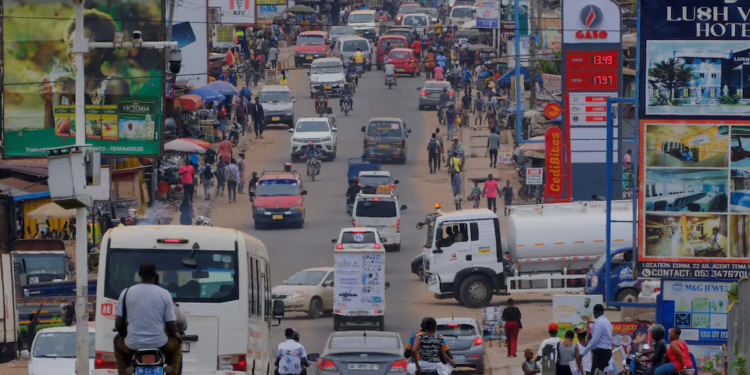
Ghana has announced plans to remove some fuel taxes and levies along the supply chain in a bid to curb rising pump prices driven by global energy shocks.
Government spokesperson Felix Kwakye Ofosu disclosed this on Thursday while speaking to reporters, noting that the measures are expected to take effect within a week following consultations with key stakeholders.
The move is aimed at cushioning consumers from the economic impact of the ongoing Iran war, which has caused global energy prices to surge since it began on February 28.
What they are saying
Kwakye said the government is aware of the scale of the intervention required, noting that the tax suspension would be substantial and initially last for four weeks, after which authorities will reassess the situation.

Ghana, which imports about 70% of its refined fuel, has seen a sharp rise in pump prices since the outbreak of the conflict, reflecting broader global trends.
The country had already adjusted fuel prices upward, with the National Petroleum Authority raising mandatory minimum price floors for the April 1–15 pricing window.
This pushed petrol prices up by about 15% to 13.30 cedis ($1.21) per litre, while diesel rose roughly 19% to 17.10 cedis ($1.55).
More insights
Although the ongoing conflict is beginning to weigh on economies globally, Ghana’s inflation showed signs of easing, coming in at 3.2% year-on-year in March 2026, slightly down from 3.3% recorded in February. This marks the lowest inflation level recorded in the country since 2021.
The Bank of Ghana has been cutting interest rates since July 2025 as inflation slowed at a record pace
In January 2026, the apex bank reduced its main policy rate to 15.50%, following a 250-basis point cut driven by falling inflation.
Earlier reports had indicated that Ghana’s inflation outlook still faced risks ahead of the central bank’s March monetary policy decision.
What you should know
Although Nigeria, which shares the West African subregion with Ghana, has reduced its reliance on imported refined petrol following operations at the Dangote Refinery, petrol prices have also risen significantly since the conflict began.
- On April 8, Nairametrics reported that Dangote refinery’s pricing structure remains unchanged, with the gantry price at N1,200 per litre and the coastal price at N1,153 per litre. The pump price before the war began was around N799 per litre, which represents a price hike of 50.19%.
- Operating at full capacity of 650,000 barrels per day, the refinery recently disclosed that it shipped 17 cargoes of petrol to African countries affected by the crisis.
While the facility is seeking to expand capacity to 1.4 million barrels per day to meet continental demand, it currently reserves about 75% of its output for Nigeria. (Nairametrics)
-

 News14 hours ago
Fuel Price Biting Hard But You Are Better Than Those In Kenya – Tinubu Tells Nigerians
-
Politics14 hours ago
Support Obafemi Hamzat as next Lagos governor – Faleke tells Lagosians
-
Metro14 hours ago
Cancer fraud: Influencer Blessing CEO in fresh trouble
-
News14 hours ago
Outrage trails EFCC’s sponsorship of judges’ foreign trip
-
News14 hours ago
Ghost towns of Kwara: How banditry emptied thriving communities
-
News14 hours ago
Unlike Lagos, Tinubu Commissions Projects In Bayelsa
-
News14 hours ago
Plateau Crisis: No Plan To Relocate Unijos – VC
-
News14 hours ago
368 terrorists convicted