News
No Reversal Of Economic Reforms Under Tinubu – Jimoh Ibrahim

Nigeria’s Ambassador and Permanent Representative to the United Nations, Jimoh Ibrahim, has declared that President Bola Ahmed Tinubu will not back down on the administration’s economic reforms despite current hardships, assuring that Nigerians will soon reap the benefits.
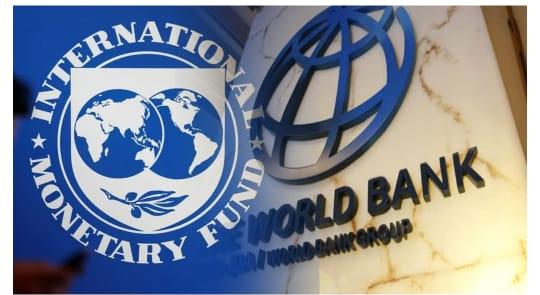
Speaking at a parliamentary session on the sidelines of the ongoing IMF/World Bank Spring Meetings in Washington, DC, Ibrahim stressed that the reforms, though painful in the short term, were essential for long-term growth and national prosperity.
He noted that no meaningful global economic progress could be achieved without addressing rising tensions around Iran, particularly the strategic Strait of Hormuz.
According to him, “No country can achieve significant economic development this year or thereafter until we jointly secure peace in the ongoing tensions involving Iran, especially as it concerns international passage through the Strait of Hormuz.”

Ibrahim warned that disruptions in the region could trigger far-reaching consequences for the global economy, given that over 25 per cent of the world’s seaborne oil-estimated at more than 20 million barrels per day-and about 20 per cent of liquefied natural gas pass through the corridor.
He added that major economies, including China, India, Japan and South Korea, would be severely impacted by any escalation due to oil price volatility, thereby complicating economic planning and deepening development challenges worldwide.
On Nigeria’s domestic front, the envoy reaffirmed the Federal Government’s commitment to sustaining reforms, noting that legislative backing remains crucial in cushioning the effects on citizens.
He emphasised that legislative action and planning must reflect current realities, urging stronger collaboration between the legislature and the executive to address economic challenges.
Ibrahim advised global lawmakers to adopt cooperative frameworks similar to Nigeria’s parliamentary model under Senate President Godswill Akpabio, noting that such synergy is vital in reducing poverty and economic hardship.
“President Bola Tinubu introduced reforms that will make Nigeria great. These policies may come with short-term pains, but they are indispensable for growth and economic development,” he said.
“The law must reflect the situation, while action and strategy must come from proper situational diagnosis.
Parliament is not an exception to modern global realities.”
Ibrahim further called for stronger international cooperation among parliamentarians, stressing that global peace remains a prerequisite for sustainable development and effective economic planning.
-

 News22 hours ago
Nigeria no longer has Ebola, says WHO
-
Politics22 hours ago
2027: Oluremi Tinubu confirms vehicle donation to APC youth leaders
-
Politics22 hours ago
2027: Minister’s son dares father over ‘federal might’ comment
-
Metro22 hours ago
Pastor marries 2nd wife, says ‘monogamy is unbiblical’
-
Metro6 hours ago
Man threatens to release Kano governor’s nude videos, photographs
-
Metro22 hours ago
Nine suspects arrested in FBI’s latest operation against Yahoo Boys in Nigeria
-
News22 hours ago
Court rules El-Rufai has case to answer in phone-tapping trial
-
Sports6 hours ago
Harry Kane crowned 2026 Ballon d’Or winner