News
Yahoo boy Kazeem Animashaun pleads guilty to $50 million wire fraud in U.S

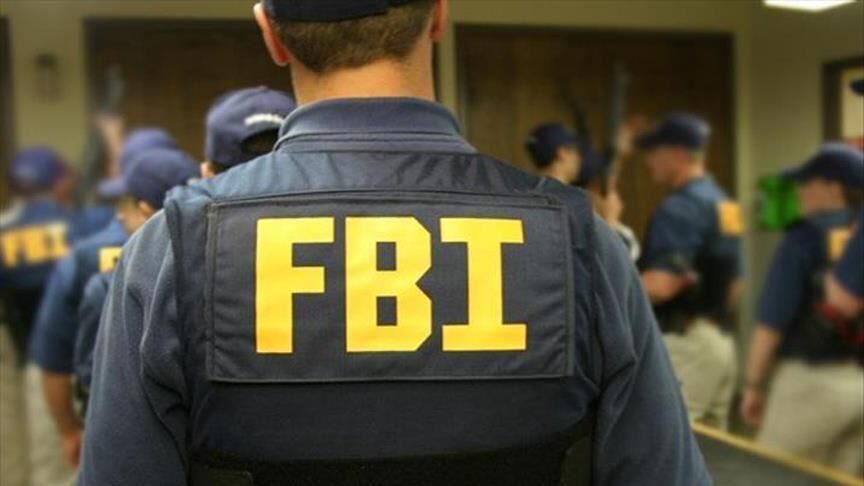
A Nigerian fraudster, Animashaun Adebo, also known as “Kazeem Animashaun,” pleaded guilty to wire fraud conspiracy for his involvement in a series of fraudulent business email compromise (BEC) and related romance schemes that resulted in more than $50 million in losses by individuals and small businesses located within the Eastern District of New York and throughout the United States.
Earlier on Monday at a federal court in Brooklyn, Joseph Nocella, Jr., United States Attorney for the Eastern District of New York, and Matt McCool, Special Agent in Charge, United States Secret Service, New York Field Office (USSS), announced Mr Animashaun’s plea.
“The defendant and his network of criminal associates perpetrated sophisticated frauds targeting victims here in Brooklyn and throughout the country,” Mr Nocella said.
He added, “Schemes like these cause enormous hardship and financial losses to victims every year. Our Office and our law enforcement partners will continue to prioritize prosecuting these online criminal actors and getting victims their hard-earned money back.”

Mr Animashaun, 40, and his co-conspirators misappropriated victims’ funds and laundered them through shell company accounts in the United States and abroad, sometimes using unsuspecting middlemen to further obscure the fraudulent source of the funds.
Investigations revealed that Mr Animashaun laundered illicit proceeds through the purchase of luxury watches and through an illegal money exchange operation run by his co-defendant Idowu Ademoroti, who was previously convicted and sentenced to a term of incarceration for his role in the scheme.
“Between April 2021 and March 2022, the defendant and his co-conspirators orchestrated a series of fraudulent BEC schemes and related romance schemes and laundered and received proceeds from the fraudulent schemes. As one part of the BEC schemes, victim-individuals involved in real estate transactions received fraudulent emails purporting to be from legitimate parties to those transactions,” the U.S. Department of Justice announced in a statement on Wednesday.
It added, “The emails instructed them to wire funds they believed to be related to the real estate transactions to specified bank accounts. The fraudulent email accounts that contacted the victims closely resembled, but were slightly different from, the email addresses of the legitimate parties to the transaction (a process known as “spoofing”).”
According to the U.S. Department of Justice, a BEC scheme is a form of cyber-enabled financial fraud.
In a typical BEC scheme, a malicious actor compromises legitimate business email accounts through computer intrusion techniques or social engineering and uses those accounts to cause the unauthorized transfer of funds. Techniques for perpetrating these schemes include identity theft, spoofing of emails and websites, and the use of malware.
-

 Metro22 hours ago
Nigerian Woman Declared Missing Found Alive In Qatar
-
Politics22 hours ago
2027: If Elected, I’ll Crash Petrol Price To N200 Per Litre – Adebayo
-
News22 hours ago
Falana, SERAP demand probe into N33.75bn cash transfer
-
News22 hours ago
15 Katsina villages deserted as bandits step up attacks
-
News22 hours ago
Military pay review: Generals’ pensionable salary rises to N2.5m monthly
-
Metro22 hours ago
Don’t Pray For Your Wife To Feed You – Pete Edochie Tells Men
-
African News22 hours ago
Ex-Sierra Leone president Koroma leaves Nigeria after treason charges dropped
-
Opinion22 hours ago
Atiku, Tinubu, subsidy removal and Azu Ishiekwene’s devilnomics