World News
US Justice Department Announces Readoption Of Firing Squad, Lethal Injection For Execution Of Criminals On Death Row

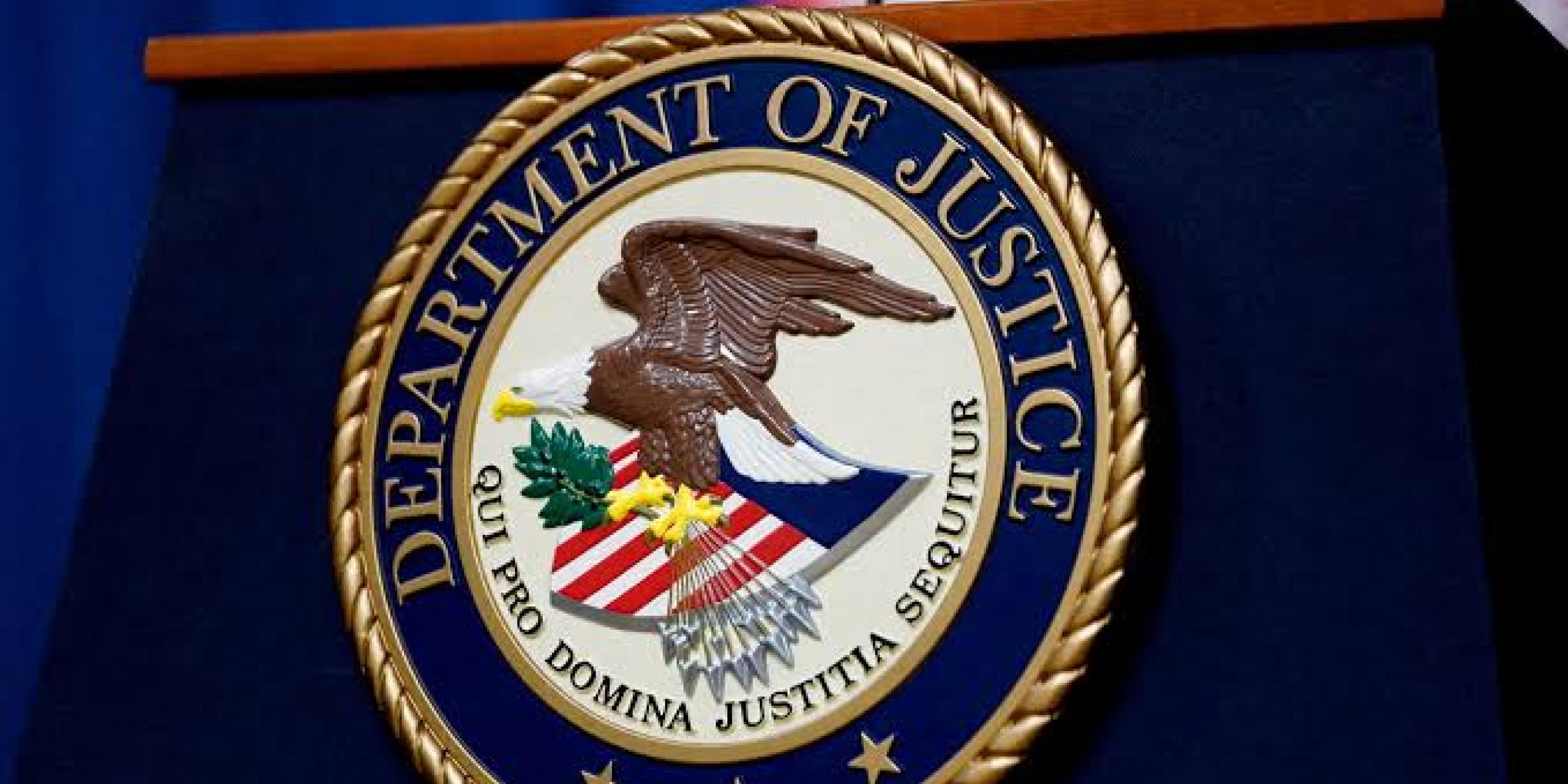
The United States Department of Justice has announced a sweeping return to aggressive enforcement of the death penalty, including the reintroduction of firing squads and lethal injection, in what officials describe as a decisive shift from the policies of the previous administration.
In a statement released on Friday, the department said it has taken steps to “restore its solemn duty” to implement lawful capital punishment, paving the way for executions of death-row inmates who have exhausted their appeals.
The move comes under the directive of U.S. President Donald Trump, who, according to officials, ordered the Justice Department on his first day in office to prioritize the pursuit and enforcement of death sentences in appropriate cases.
Among the major policy changes is the reinstatement of the lethal injection protocol used during Trump’s first administration, alongside an expansion to include alternative methods such as the firing squad.

The Justice Department also said that internal processes would be streamlined to accelerate death penalty cases.
Acting Attorney General Todd Blanche, in a statement, accused the previous administration of failing in its responsibilities.
“The prior administration failed in its duty to protect the American people by refusing to pursue and carry out the ultimate punishment against the most dangerous criminals, including terrorists, child murderers, and cop killers,” Blanche said.
“Under President Trump’s leadership, the Department of Justice is once again enforcing the law and standing with victims.”
The department’s announcement marks a sharp reversal of policies under former Attorney General Merrick Garland, who had imposed a moratorium on federal executions during the administration of Joe Biden.
According to the Justice Department, the Biden-era moratorium was based on what it described as a “deeply flawed analysis” that raised concerns over the use of pentobarbital in lethal injections and the potential for “unnecessary pain and suffering.”
Officials further accused the previous administration of declining to seek the death penalty in several high-profile and violent cases, including those involving mass shootings, child murder, and the killing of law enforcement officers.
The department also criticised what it described as the “abandonment” of previously authorised capital prosecutions and alleged that the Biden administration ignored victims’ families in its handling of death row cases.
Particularly controversial was the commutation of sentences for 37 out of 40 federal death-row inmates, a move the current Justice Department claims was carried out without adequate consultation with victims’ families.
As part of the renewed policy direction, the department said it has now rescinded the moratorium on federal executions and authorised prosecutors to seek the death penalty against at least 44 defendants.
Acting Attorney General Blanche has approved capital punishment in nine of those cases, including against alleged members of the notorious MS-13 gang accused of murdering a federal witness.
In addition, the department released a report titled Restoring and Strengthening the Federal Death Penalty, which concluded that the use of pentobarbital complies with the Eighth Amendment of the U.S. Constitution, which prohibits cruel and unusual punishment.
The Federal Bureau of Prisons has been directed to reinstate the lethal injection protocol and expand execution methods to include the firing squad.
It is also expected to explore options for relocating or expanding federal death row facilities, or constructing new execution sites capable of handling multiple execution methods.
The Justice Department further disclosed plans to submit legislative proposals to the U.S. Congress aimed at strengthening the death penalty framework and improving what it described as “public safety outcomes.”
In the coming weeks, additional measures are expected, including potential rules to speed up federal habeas corpus reviews in capital cases, moves that could significantly reduce the time between conviction and execution.
Another proposed rule would restrict death-row inmates from filing clemency petitions until all appeals and initial collateral challenges have been fully resolved.
The department also plans to revise its internal Justice Manual to streamline procedures for seeking death sentences and ensure consultation with victims’ families.
The readoption of firing and lethal injection protocol for death-roll inmates will reignite fierce debate across the United States, where capital punishment remains one of the most divisive issues in the criminal justice system, with critics long raising concerns over wrongful convictions, racial disparities, and the ethics of state-sanctioned executions.
However, the Justice Department insists the renewed approach is necessary to deter “the most barbaric crimes” and deliver long-awaited justice to victims and their families.
-

 Politics10 hours ago
2027: Atiku demands names of firms printing INEC’s ballot papers
-
Business10 hours ago
Nigeria’s debt interest soars 124% above revenue
-
Business10 hours ago
Refiners back forward crude sales, oppose petrol price cap
-
 News10 hours ago
World Bank report affirms reform gains — Tinubu
-
Politics10 hours ago
Crude shortfall makes Atiku’s subsidy plan not workable – Presidency
-
Business9 hours ago
How 18yrs multiple gas policies sidelined domestic consumers
-
News9 hours ago
NDLEA Arrests 83-Year-Old Woman Again, Intercepts Drugs At Nigerian Airports
-
Politics10 hours ago
2027: Tinubu can break Obi’s Southeast hold – Group