African News
UN Chief Guterres Condemns Xenophobic Attacks In South Africa As Country Marks ‘Freedom Day’

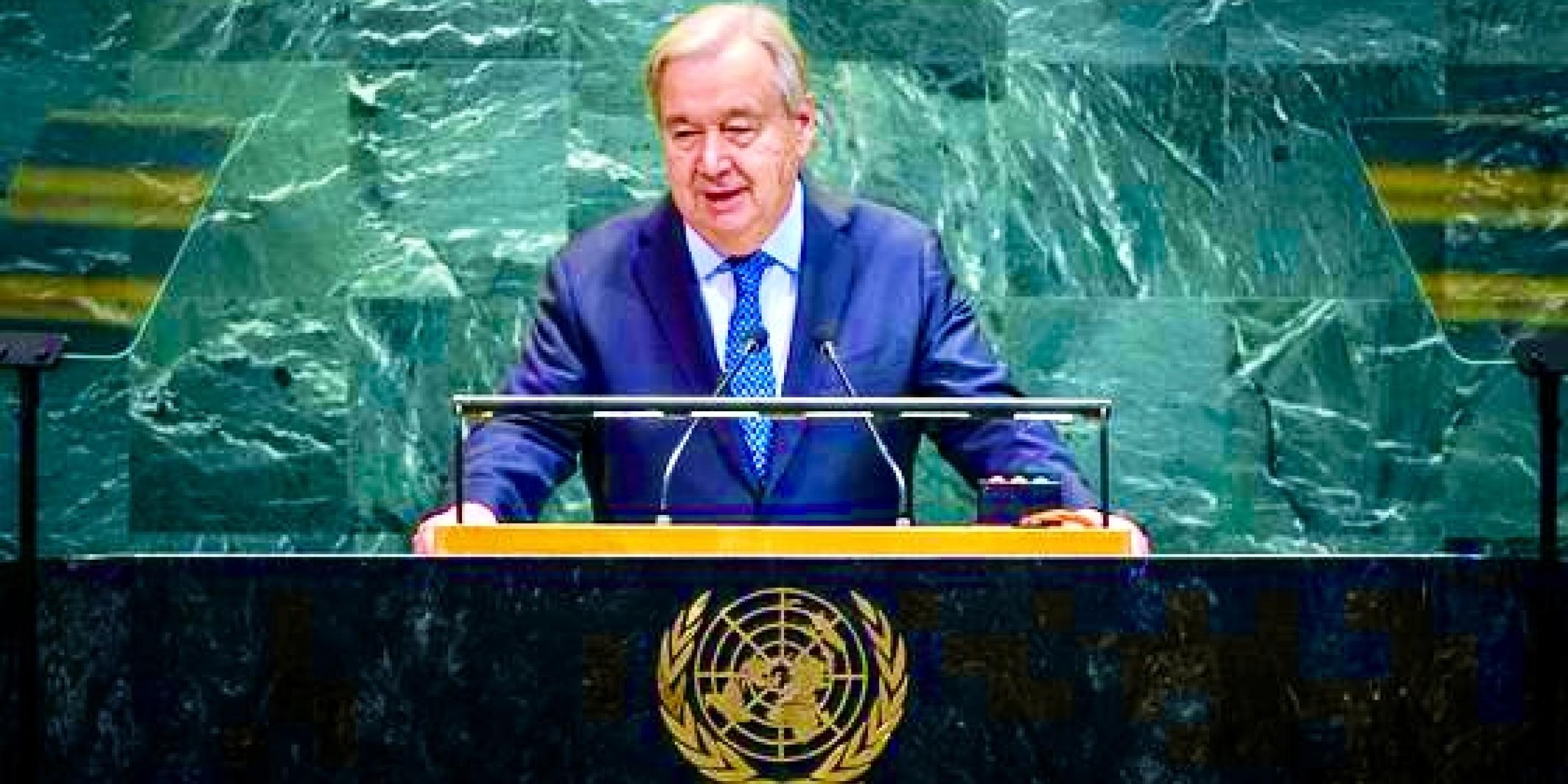
United Nations Secretary-General, António Guterres, has used the occasion of South Africa’s “Freedom Day” to issue a blistering condemnation of the recurring waves of xenophobic violence and intimidation targeting foreign nationals in the country.
In a statement released on Monday by his Spokesperson, the UN chief expressed “deep concern” over reports of criminal acts and the incitement of violence against migrants, specifically citing recent incidents in KwaZulu-Natal and the Eastern Cape Province.
The irony of the violence occurring on April 27—the anniversary of South Africa’s first post-apartheid democratic elections—was not lost on the Secretary-General.
Guterres reminded the South African government that the very struggle against the apartheid regime was won through a foundation of global and African solidarity.

The UN statement took a hardline stance against the rise of mob justice and targeted harassment of foreigners, which has plagued several South African provinces in recent months.
“Violence, vigilantism, and all forms of incitement to hatred have no place in an inclusive, democratic society,” the statement read.
Guterres further noted that South Africa’s historical development and economic growth have long been “shaped by the contributions of people from across the continent,” rebuking the narrative that migrants are a burden on the state.
While the Secretary-General acknowledged the “complex socio-economic challenges” facing the nation—including high unemployment and poverty—he insisted these do not justify the targeting of vulnerable foreign populations.
He urged the South African authorities to ensure that all investigations into the recent violence are: “Prompt and avoiding the usual delays that lead to impunity. Free from political interference or local bias. Ensuring justice for victims regardless of their nationality.”
The UN chief also called for the full implementation of the Government’s National Action Plan against Racism and Xenophobia, a framework designed to prevent the very attacks currently being reported.
This intervention by the UN follows years of sporadic but deadly xenophobic outbreaks in South Africa, often fueled by “vigilante” groups who claim to be protecting local jobs. The South African government has frequently been criticized by human rights organizations for failing to prosecute the instigators of these attacks, many of whom operate openly on social media.
As South Africa celebrates 32 years of freedom from institutionalised racism, the UN’s message serves as a stark reminder that for many African migrants living in the “Rainbow Nation,” true freedom remains elusive.
-

 News13 hours ago
UK universities withdraw admission offers to Nigerians over visa crackdown
-
Politics13 hours ago
2027: Protest, relief as INEC releases final candidates’ list
-
News13 hours ago
Benue: Suspected herdsmen kill nine in fresh Ukum attacks
-
News13 hours ago
Why kidnappers target NYSC members — Security experts
-
Politics12 hours ago
2027: Opposition, APC clash over campaign funding
-
World News13 hours ago
US gunman shoots dead 7 relatives, family friend
-
Opinion12 hours ago
Did Obi actually win in 2023?
-
Business13 hours ago
Fitch revises Nigeria’s outlook to positive, affirms ‘B’ rating