Business
Traders blame supply shortages, insecurity as ginger hits N46,000 in Lagos

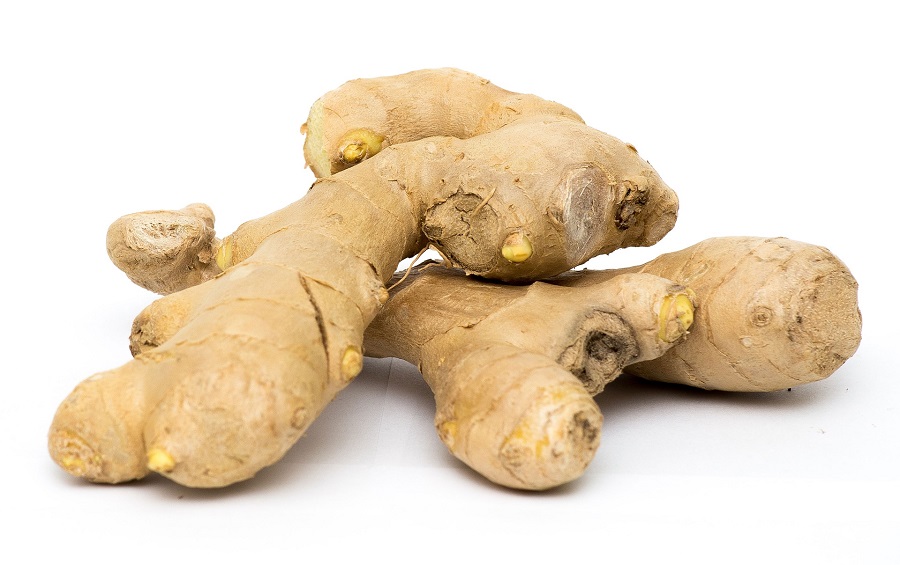
Traders in Lagos have blamed insecurity in major producing communities, supply shortages, and rising transportation costs for the sharp increase in ginger prices, with a paint bucket now selling for as high as N46,000.
The report, published by the News Agency of Nigeria (NAN) on Sunday, was based on interviews with market participants across Lagos.
It showed that reduced output from key producing states, disease outbreaks, and logistics challenges have significantly cut supply, pushing prices to record levels.
What the report is saying
Traders said ginger has become increasingly unaffordable for many households despite its use in cooking and traditional remedies, citing insecurity in key producing states.

The Public Relations Officer of Oyingbo Market, Mr Ademola Oduyemi, said insecurity had disrupted farming and reduced harvests in Kaduna, Nasarawa, Niger, and Plateau states, where farmers are unable to access or cultivate their farms.
- He added that a paint bucket now sells for N40,000 to N46,000, while derica goes for about N12,000, with many consumers now resorting to small pieces sold for about N500 due to affordability constraints.
- “Traders and consumers in Lagos have lamented the sharp rise in ginger prices, attributing the development to insecurity in major producing communities, dwindling supplies and rising transportation costs,” the NAN report read.
- “Some farmers are unable to harvest their crops, while others are reluctant to plant. This has reduced the volume of ginger coming into the market and contributed to the scarcity we are witnessing. “A paint bucket of ginger now sells for between N40,000 and N46,000, depending on size and quality,” the report quoted Oduyemi.
Another trader, Mrs Florence Akinfolubi, said falling supply from producing regions, combined with rising transport costs from northern Nigeria to Lagos, had intensified price pressures.
At Lawanson Market, Mrs Iyabo Daleko said traders were facing higher procurement costs, while customers increasingly opted for smaller quantities due to affordability challenges.
More insights
Consumers also expressed frustration over the price surge, with a small piece of ginger now selling for about N1,000 in Surulere, making it increasingly unaffordable for many households.
They said prices have almost doubled compared to earlier in the year, forcing reduced consumption despite ginger’s common use in homes.
The report noted that Nigeria’s ginger exports fell by 74 per cent in the first nine months of 2024, with production losses linked to disease outbreaks in key farming states, including Kaduna and Kano.
Stakeholders warned that unless insecurity, production constraints, and transport bottlenecks are addressed, prices are likely to remain elevated.
Get up to speed
Food prices across Lagos markets have shown mixed but generally sticky inflationary pressure since May 2026, with transport costs and supply disruptions remaining key drivers.
- A Nairametrics survey across Mushin, Mile 12, Daleko, and Oyingbo markets showed 27 of 67 staple food items recorded price increases in May, up from 18 in April, reflecting renewed pressure across key food categories.
- The rise was largely linked to higher logistics costs, with diesel averaging about N1,330 per litre during the period.
- Although headline food inflation eased to 16.06 per cent year-on-year in April 2026, down from 24.68% in April 2025, market-level pricing in Lagos has remained uneven, with select staples continuing to rise.
Ginger, in particular, has sustained upward pressure into June 2026 amid ongoing supply constraints and high transport costs, despite broader signs of gradual inflation moderation in other food items.
What you should know
Issues across various regions of the country, including insecurity and farm-related disruptions, continue to affect agricultural production and supply chains.
These include banditry, farmer-herder clashes, insurgency, and reported abductions affecting farming communities across several states across the country.
The disruptions have reduced farm output, limited access to farmlands, and constrained the movement of agricultural produce across markets. (Nairametrics)
-

 Metro19 hours ago
US death row inmate survives execution after two lethal injections
-
Business19 hours ago
Refining Battle: Dangote calls for ‘level playing field’ as court deals Lagos refinery a blow
-
Social Media News19 hours ago
WhatsApp introduces parental controls for teens
-
Business19 hours ago
Transport cost pain bites despite Tinubu’s Oct 1 promise
-
Politics19 hours ago
‘How did you transfer N750bn to people without phones?’ — Atiku tackles APC chair
-
News19 hours ago
We won’t return to ‘addictive’ fuel subsidy – Tinubu tells Nigerians
-
World News19 hours ago
Trump admin revokes over 250,000 visas in broad immigration crackdown
-
Politics45 minutes ago
Osuntokun accuses Atiku of affront, disrespect to Tinubu in Oct. 1 speech