Business
Nigeria seeks advisers for first Eurobond sale since November

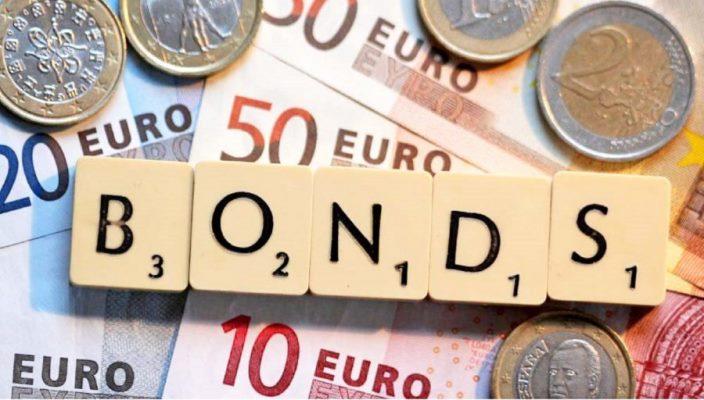
Nigeria is officially laying the groundwork to return to the international debt market. The Debt Management Office (DMO) has requested expressions of interest from financial and legal firms to act as transaction advisers for an upcoming Eurobond sale. This will mark the country’s first time tapping global investors since a heavily oversubscribed issuance last November.
The move signals a strategic shift. Nigeria largely avoided global capital markets over the last two years due to volatile financial conditions and high global interest rates that made foreign borrowing too expensive. Now, finance officials plan to use the Eurobond proceeds to support the 2026 budget, pay off existing debt obligations, and fund critical infrastructure projects.
The move comes amid improving sentiment toward Nigerian assets, driven by ongoing economic reforms, exchange rate adjustments, and efforts to stabilise macroeconomic fundamentals.
These measures have helped restore a degree of investor confidence, with international lenders and portfolio managers increasingly signalling renewed interest in the nation’s sovereign instruments.
Finance officials have also pointed to growing external financing options, including bilateral and multilateral inflows, as evidence that Nigeria is gradually regaining access to diversified funding sources. However, authorities maintain that Eurobonds remain a critical component of the country’s financing mix, particularly for longer-tenor funding and liability management operations.

Market analysts note that appointing advisers is a standard preparatory step that allows the government to move quickly once market windows become favourable. With global yields showing signs of easing from recent peaks, several frontier markets have recently returned to international bond markets, raising expectations that Nigeria could follow a similar path.
Meanwhile, the country’s sovereign bond yields are expected to remain elevated through the third quarter of 2026 as investors factor in increased government borrowing, rising inflation, and a prolonged tight monetary policy environment, according to a new report by Coronation Research.
The investment research firm said the federal government’s decision to double its June bond offer to N1.2 trillion from N600 billion at the previous auction marked a turning point in domestic debt issuance, signalling stepped-up financing needs and prompting investors to demand higher returns on longer-dated securities.
“With investors asked to absorb twice the volume they had grown accustomed to, the market demanded a higher yield to clear the larger supply,” Coronation said.
The Debt Management Office offered the bonds through the reopening of the February 2035 and April 2037 Federal Government of Nigeria instruments.
Investor demand remained strong, with subscriptions rising to N1.41 trillion from N796.17 billion recorded at the previous auction, while total allotments stood at N1.22 trillion.
Coronation attributed the strong participation largely to elevated system liquidity and sustained demand from domestic institutional investors, particularly pension fund administrators.
Despite the strong auction demand, the secondary bond market remained under pressure as investors continued to reprice government securities amid expectations of increased borrowing.
Coronation said bearish sentiment persisted across the yield curve, with benchmark yields moving higher as sell-side pressure intensified across short, medium, and long-term maturities.
According to the report, the repricing reflects three key developments: a renewed rise in inflation after three consecutive monthly increases, expectations that the Central Bank of Nigeria will maintain its tight monetary policy stance, and growing fiscal financing needs following the expansion in domestic bond issuance.
Headline inflation accelerated to 15.93 percent in May from 15.69 percent in April and 15.38 percent in March, reversing the disinflation trend recorded through much of 2025.
Coronation said the inflation outlook has weakened expectations of near-term interest rate cuts, leading investors to demand higher real returns on long-dated government securities.
The report also noted that the Federal Government has already raised about N19.03 trillion through Treasury bills and FGN bond issuances this year, representing 65.17 percent of its 29.20 trillion domestic borrowing target for 2026.
With the budget projecting a fiscal deficit of N31.46 trillion, the research house expects issuance volumes to remain elevated in the coming months.
Looking ahead, Coronation expects FGN bond yields to remain within a 17.5 percent to 19 percent range through the third quarter, barring a sustained decline in inflation or an earlier-than-expected shift in the Central Bank’s monetary policy stance. (BusinessDay)
-

 News16 hours ago
Court Orders Wike’s Son Jordan to Produce American Passport in $2.1m Abuja Land Suit
-
Politics15 hours ago
Pantami wins PDP repeat governorship primary in Gombe
-
News15 hours ago
NEMA deploys rescue teams as floods ravage states
-
News14 hours ago
After 68 Days Vacation, Lawmakers Embark On Another Recess
-
Metro15 hours ago
Lagos teen detained over slippers freed after four years
-
Politics14 hours ago
2027: Which running mate brings the most votes – Shettima, Amaechi or Kwankwaso?
-
News15 hours ago
Mixed reactions as FG demarcates First Niger Bridge
-
Sports15 hours ago
AFCON Qualifier: Guinea-Bissau Humble Super Eagles 3-0