World News
Trump Administration Claims ICC Has No Jurisdiction Over US Citizens, Rejects Cooperation

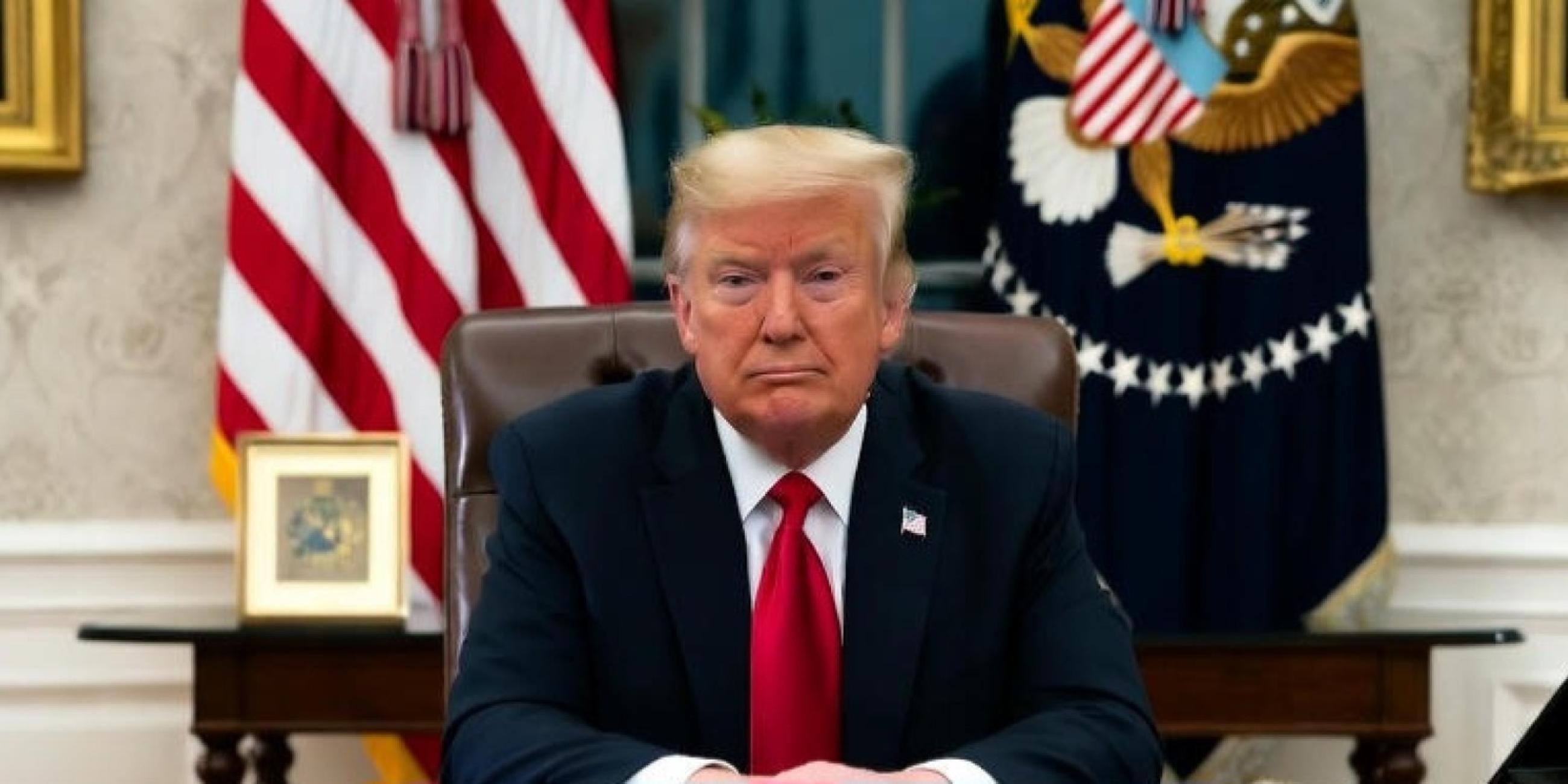
The administration of President Donald Trump has formally told the International Criminal Court (ICC) that the United States does not recognise the court’s authority over American citizens and will not cooperate with any of its investigations.
According to Reuters quoting the U.S. Department of Justice, a letter sent to the ICC on Thursday made Washington’s position clear, stating that the United States would not assist the court’s investigations and rejected any claim that the tribunal had jurisdiction over Americans.
“The United States would not cooperate with any ICC investigations” and rejected the view “that the court had any jurisdiction over Americans,” the Justice Department said.
The development comes amid an ongoing legal battle involving three ICC judges who are challenging sanctions imposed on them by the Trump administration.

According to Aljazeera, the judges — Kimberly Prost of Canada, Solomy Balungi Bossa of Uganda and Reine Adelaide Sophie Alapini-Gansou of Benin — filed a lawsuit in a federal court in Manhattan last Wednesday, arguing that the sanctions were unlawful.
In the court filing, the judges alleged that the measures were intended to intimidate members of the tribunal and interfere with their judicial independence.
According to the lawsuit, the sanctions were “designed to exert extrajudicial pressure with the objective of punishing and coercing the judges.”
The sanctions were imposed by the Trump administration last year following the ICC’s decision to issue an arrest warrant for Israeli Prime Minister Benjamin Netanyahu and an earlier move by the court to open an investigation into alleged war crimes involving U.S. troops in Afghanistan.
The unprecedented action marked one of the strongest responses by Washington against the Hague-based court, reflecting the administration’s longstanding position that the ICC lacks authority over the United States, which is not a party to the court’s founding treaty.
Under the sanctions, the affected judges had their U.S.-based property and assets frozen. In addition, American individuals and organizations were prohibited from conducting transactions with them, including through the “provision of funds, goods or services.”
The lawsuit argues that the restrictions unlawfully targeted the judges for carrying out their official judicial responsibilities and amounted to an attempt to influence the court’s work.
Established in 2002, the International Criminal Court has jurisdiction to prosecute individuals accused of genocide, crimes against humanity and war crimes committed in member states or in situations referred to it by the United Nations Security Council.
However, the U.S. administration has disputed the court’s authority over American nationals, maintaining that the ICC has no legal jurisdiction over U.S. citizens without the country’s consent.
The latest letter from the Justice Department reinforces the Trump administration’s position that the United States will neither recognize nor cooperate with ICC investigations involving Americans, even as the legal dispute over the sanctions continues in a U.S. federal court.
-

 Politics7 hours ago
2027: Atiku demands names of firms printing INEC’s ballot papers
-
Business7 hours ago
Nigeria’s debt interest soars 124% above revenue
-
Business7 hours ago
Refiners back forward crude sales, oppose petrol price cap
-
Business6 hours ago
How 18yrs multiple gas policies sidelined domestic consumers
-
 News7 hours ago
World Bank report affirms reform gains — Tinubu
-
Politics7 hours ago
Crude shortfall makes Atiku’s subsidy plan not workable – Presidency
-
News6 hours ago
NDLEA Arrests 83-Year-Old Woman Again, Intercepts Drugs At Nigerian Airports
-
Politics7 hours ago
2027: Tinubu can break Obi’s Southeast hold – Group