Business
Nigeria lost about N2.4 trillion to grid underutilisation since 2015 – NISO

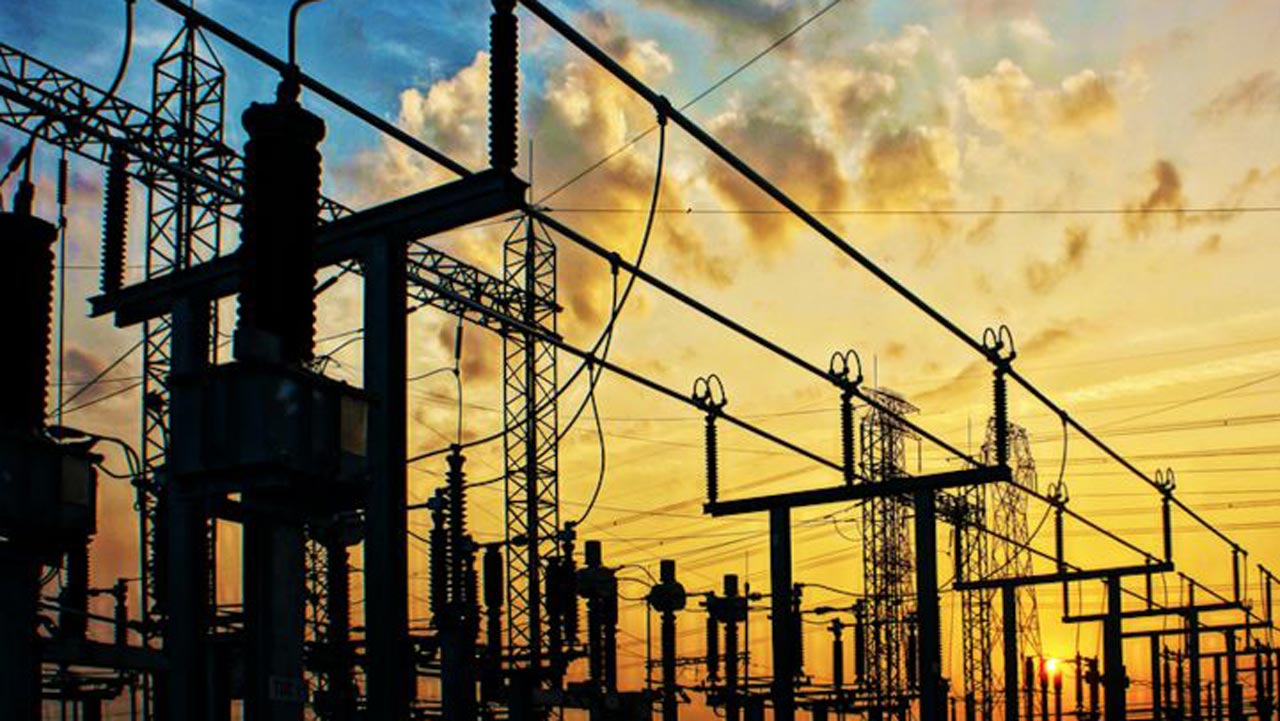
Abdu Bello, the managing director and chief executive officer of the Nigerian Independent System Operator (NISO), says Nigeria has lost about N2.4 trillion in capacity payments due to power sector grid underutilisation since 2015.
Mr Bello said this in Lagos at the 11th Nigeria Energy Forum 2026 (NEF-2026) Conference, themed “Upscaling Value Addition for Sustainable Industrialisation”.
Represented by NISO’s general manager for research, Deji Ojo, he said the establishment of the agency was repositioning the power sector from infrastructure expansion towards operational excellence, market efficiency, reliability, and industrial competitiveness.
According to him, as of May 2026, Nigeria had an available generation capacity of 7,311 megawatts (MW), but the average dispatched generation that was produced and translated into economic value was just 4,222 MW.

“You will discover that about 3,162 MW is stranded capacity and not being converted to economic use,” he said.
In his presentation, Abdulrahman Yinusa, the group managing director (GMD) of Odu’a Investment Company Limited, said reliable power was the entry ticket to industrial growth.
Mr Yinusa, represented by the executive director of investment and business development, Yemi Ajao, said Nigeria sits on the raw materials the world wants most.
“The question is whether we turn them into finished products or keep giving them away cheaply,” he said.
Omatsola Ogbe, executive secretary of the Nigerian Content Development and Monitoring Board, said that achieving sustainable development was critical to manufacturing in Nigeria.
Ms Ogbe, represented by Suleiman Ozimede, general manager, monitoring, said that Nigerians should utilise made-in-Nigeria products and Nigerian human and material resources.
In a keynote presentation, Khalil Halilu, executive vice chairman of the National Agency for Science and Engineering Infrastructure, said the agency was building an integrated ecosystem where innovation is created locally, manufactured locally, and commercialised globally.
Abba Aliyu, chief executive officer of the Rural Electrification Agency, represented by Abba Hayatudeen, senior advisor on strategy, said, “The future will be defined by the number of businesses we empower, industries we revive, and prosperity we unlock through sustainable energy.”
Speaking on the forum, Adekunle Makinde, the NEF co-chair, said the forum had held ten previous editions and was still progressing.
“Prior to NEF, we had young people with different ideas, students from different institutions with final-year projects, and at the end of the year, the projects ended up in a trash can or library.
“But now, NEF has been able to get investors who will support these young innovators with grants to scale up clean energy solutions,” he said.
In his opening remarks, Oluwole Daniel Adeuyi, the chairman of NEF, said the theme of the 2026 edition reflected Nigeria’s and Africa’s opportunity to transform abundant resources into competitive industries, quality jobs, increased exports, and sustainable prosperity.
“The future belongs to nations that add value, manufacture competitively, innovate boldly, and build resilient industries,” he added.
(NAN)
-

 Politics15 hours ago
If Buhari, A Retired General Could Not Wipe Out Insecurity, What Do You Expect Of Tinubu? – Yari
-
 Politics15 hours ago
Tinubu Campaign Spokesperson Breaks Silence On Wife’s Fresh Role At INEC
-
Business5 hours ago
I’d rather go to prison than lose my phone – Dangote
-
Business5 hours ago
FG targets ₦750tn capital market, seeks NNPC, NLNG listing
-
Politics15 hours ago
Stop sending money to relatives at home; tell them to vote for competent leaders – Obi tells Nigerians abroad
-
Politics15 hours ago
INEC Mum Over Rejection Of Tinubu Spokesperson’s Wife As Head Of Electoral Operations
-
News15 hours ago
FCT Residents Make ‘Tough’ Adjustments Over Rising Cost Of Living
-
 News5 hours ago
Tinubu Extends Tenures Of Immigration, Prison CGs