World News
Trump’s Top Adviser Pushes Exit Strategy As US-Iran Conflict Enters Sixth Month

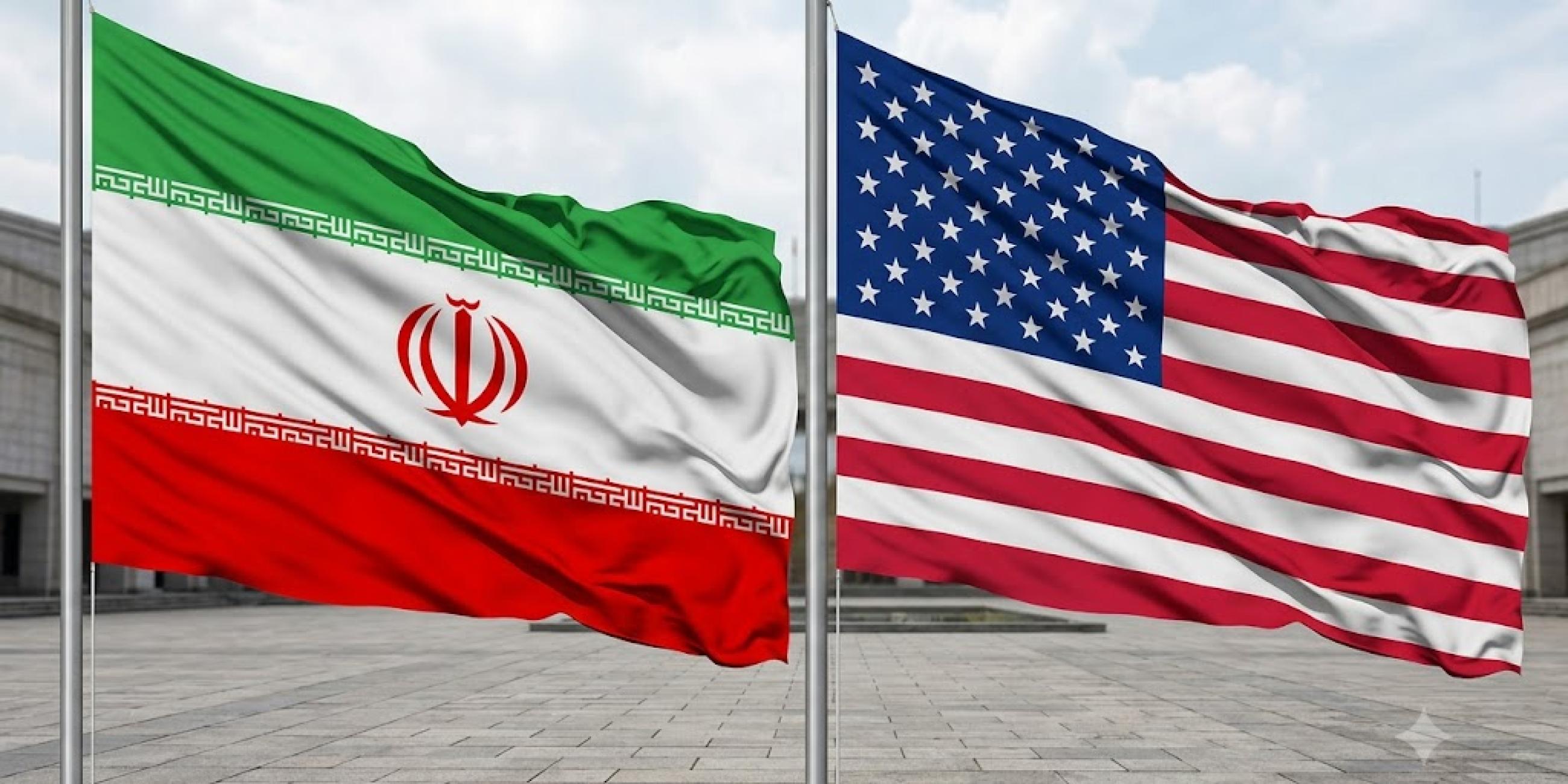
The Chairman of the United States Joint Chiefs of Staff, General Dan Caine, has privately urged President Donald Trump’s administration to develop an exit strategy from the ongoing war with Iran, warning that an air campaign alone is unlikely to achieve Washington’s objectives, according to a CNN report citing multiple sources familiar with the discussions.
The report comes as the conflict enters its sixth month despite repeated assurances from President Trump that a peace agreement was within reach.
According to CNN, General Caine has held private discussions with senior administration officials, including Vice President JD Vance and Secretary of State Marco Rubio, stressing the limitations of relying solely on air strikes to force Tehran into accepting a deal that would permanently prevent Iran from acquiring nuclear weapons.
“Caine is looking for an off-ramp,” one source familiar with the conversations told CNN.

The sources said the military chief has been outlining the risks, limitations and potential consequences of different military options available to the administration rather than advocating a specific political outcome.
Trump has largely relied on air power throughout the conflict, avoiding the deployment of American ground troops while authorising sustained aerial bombardments against Iranian targets.
However, according to the report, Caine and other senior officials privately believe that continued air strikes alone are unlikely to place sufficient pressure on Iran to secure the concessions the White House is seeking.
Responding to the report, Joseph Holstead, a spokesman for General Caine, declined to comment on the substance of the chairman’s discussions with senior government officials.
“We do not discuss the Chairman’s confidential conversations with the President, the Secretary, or other senior leaders, nor do we comment on anonymous, agenda-driven characterizations of those conversations by sources who were not privy to them,” Holstead said.
A White House official, however, dismissed suggestions of disagreement within the administration, describing Caine as “an incredible asset to President Trump’s national security team.”
“The General always provides accurate, unbiased information and a host of options to the Commander-in-Chief, who ultimately makes decisions based on what he feels is best for U.S. national security,” the official said.
The Independent reported that it had contacted the White House, the Office of the Chairman of the Joint Chiefs of Staff and the State Department for comments.
The report comes amid growing concerns over the cost of the prolonged conflict and the state of America’s weapons inventory.
President Trump on Thursday had dismissed reports suggesting that U.S. military stockpiles were running dangerously low after months of sustained operations.
“The U.S. has massive amounts of ‘munitions,’ especially of certain types. Additionally, large amounts are being manufactured and shipped to the U.S. as needed,” Trump wrote on his Truth Social platform.
He added that defence companies were “building the largest number of plants and factories in our country’s history.”
The president also threatened officials accused of leaking classified information.
“The ‘leakers’ of these treasonous statements are being hunted down. Long term jail sentences will be sought!” Trump wrote.
Trump’s comments followed a Reuters report, citing unnamed sources, which claimed that the U.S. Army had used “virtually all” of its long-range Army Tactical Missile Systems (ATACMS) and Precision Strike Missiles during military operations.
Separate concerns have also emerged over America’s missile defence capability.
According to a report by the Center for Strategic and International Studies (CSIS), as cited by Independent, the Pentagon’s stockpile of Patriot and Terminal High Altitude Area Defense (THAAD) missile interceptors has fallen significantly since the conflict began.
The report estimated that before the war the United States possessed about 2,330 Patriot interceptors and 452 THAAD interceptors.
As of July 27, however, the inventory had reportedly dropped to between 759 and 827 Patriot interceptors and between 234 and 278 THAAD interceptors.
The financial burden of the conflict has also continued to rise.
During testimony before the Senate Appropriations Committee last month, Defence Secretary Pete Hegseth disclosed that U.S. military operations in Iran had already cost approximately $37.5 billion.
Hegseth also requested an additional $67 billion from Congress, saying the funds would be used partly to replenish depleted weapons stockpiles.
He blamed the previous Biden administration for failing to adequately fund the Pentagon before the conflict escalated.
Despite mounting costs, concerns over military resources and reports of internal discussions about an exit strategy, the Trump administration has continued to insist that military pressure remains necessary to secure its objectives in Iran.
-

 Metro19 hours ago
Child trafficking suspect admits receiving ₦250,000 per child
-
News20 hours ago
Ebola: Uganda seeks Nigerian woman’s travel history from FG
-
Politics20 hours ago
2027: Tinubu campaign council creates new directorate, reshuffles teams
-
Business19 hours ago
Transport, petrol prices soar in S’East amid fuel discount
-
News19 hours ago
Abuja bizman arrested over alleged $120m fraud
-
Politics20 hours ago
Ebola case: Atiku urges calm, backs contact tracing
-
Metro18 hours ago
Otedola Bridge rapidly becoming Nigeria’s deadliest accident spot
-
Business19 hours ago
Senate Summons Olam Nigeria, MD, Eight Other Executives Over Alleged $15Billion Forex Transactions