News
FG moves to decriminalise attempted suicide in Nigeria

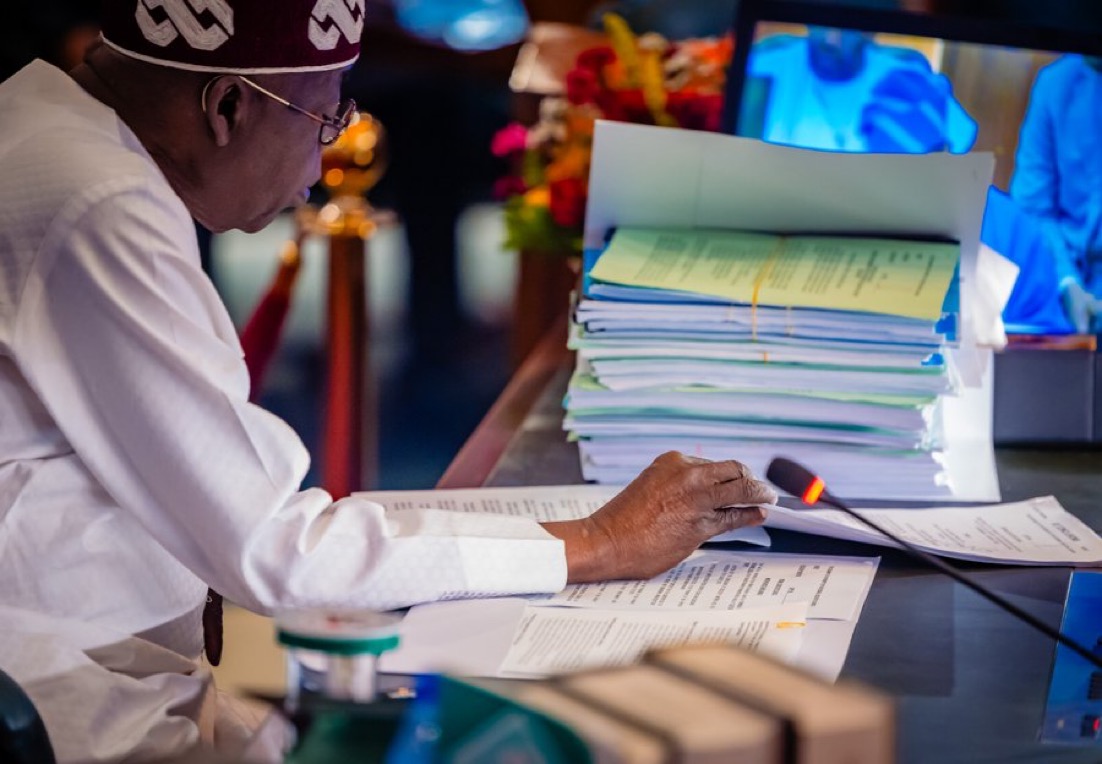
The federal executive council (FEC) has approved an amendment to the National Mental Health Act 2021 to remove attempted suicide from Nigeria’s criminal laws.
Ali Pate, minister of health and social welfare, told State House correspondents on Wednesday after the weekly FEC meeting that the proposed amendment would be transmitted to the national assembly for consideration and passage.
According to the minister, attempted suicide is a criminal offence under provisions inherited from the colonial-era criminal code and penal code, despite the National Mental Health Act providing for protection, treatment and supportive care for people at risk of self-harm.
Pate said the existing legal framework could result in people experiencing mental health crises being arrested and prosecuted after surviving suicide attempts.

“The idea is attempted suicide is not a crime,” he said.
He said people who attempt suicide, particularly as a result of mental health challenges, should be treated as those requiring medical and psychological support rather than offenders.
Pate said the proposed reform followed consultations involving mental health advocates, the ministry of justice, the attorney-general’s office, the ministry of health and social welfare, a task force and the national assembly.
He said the objective is to shift the national response from punishment to treatment, care and support.
The minister said the government expected the policy change to contribute to reducing suicide attempts and completed suicides.
“Our goal is to reduce by 15 percent by 2030,” he said.
FEC APPROVES ORAL HEALTH CENTRE BILL
The minister said the council also approved the National Centre for Oral Health Establishment Bill 2026 for transmission to the national assembly.
Pate said the proposed centre would serve as a national referral, research and training institution for oral health and provide a legal and institutional framework for tackling oral diseases in Nigeria.
He said the initiative could be traced to recommendations made at the 1982 international congress of oral health research in Lagos, which called for an inter-country demonstration, training and research centre for the African region.
According to him, although the ministry of health subsequently established a centre, it lacked the statutory backing required to operate as a national institution.
He said the proposed legislation would provide the legal foundation and strengthen Nigeria’s capacity to deliver specialised oral healthcare.
Pate said Nigeria already had specialised institutions covering orthopaedic care, eye care, ear, nose and throat services and snake-bite treatment, making the proposed oral health centre an important addition to the country’s healthcare system.(TheCable)
-

 News20 hours ago
UK universities withdraw admission offers to Nigerians over visa crackdown
-
Politics20 hours ago
2027: Protest, relief as INEC releases final candidates’ list
-
News21 hours ago
Benue: Suspected herdsmen kill nine in fresh Ukum attacks
-
News20 hours ago
Why kidnappers target NYSC members — Security experts
-
Politics20 hours ago
2027: Opposition, APC clash over campaign funding
-
World News21 hours ago
US gunman shoots dead 7 relatives, family friend
-
Opinion20 hours ago
Did Obi actually win in 2023?
-
Business21 hours ago
Fitch revises Nigeria’s outlook to positive, affirms ‘B’ rating