Business
Atiku’s petrol subsidy plan naive, may cost half of national wealth – Mustafa Chike-Obi

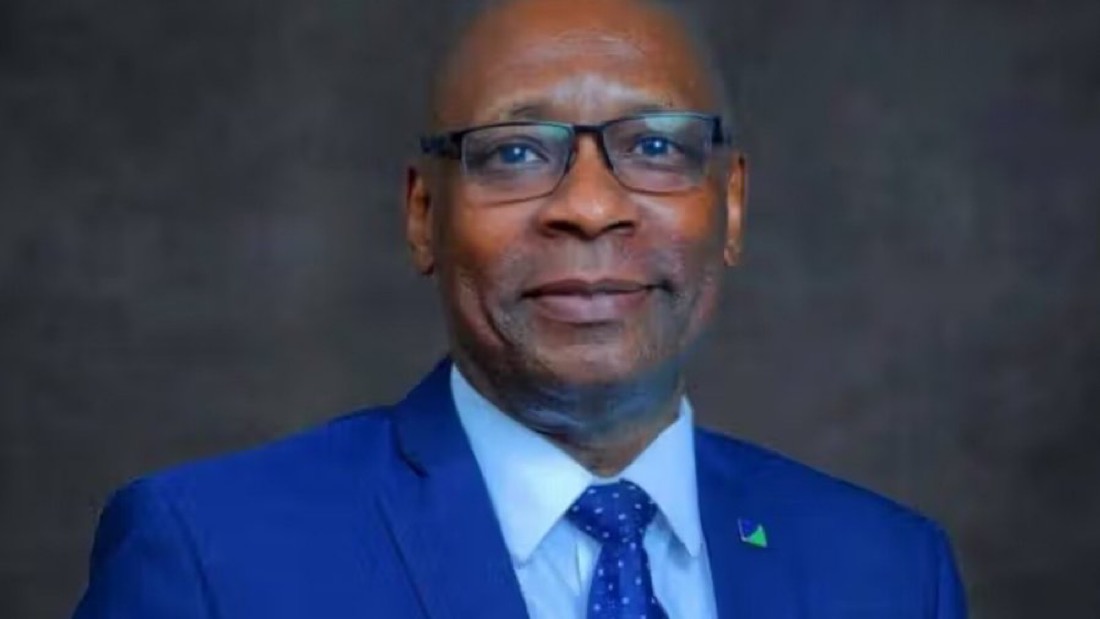
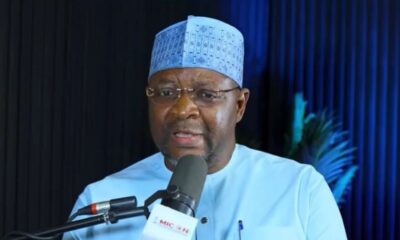
Mustafa Chike-Obi, former chairman of Fidelity Bank, says the plan by former Vice-President Atiku Abubakar to reintroduce petrol subsidy is naive and may amount to spending half of the country’s national wealth in foreign exchange (FX).
Chike-Obi spoke on Thursday during the Policy Without Politics podcast he co-hosts with Ken Ikpe, chief executive officer (CEO) of Graviti Hill Limited.
On August 19, Atiku, the presidential candidate of the African Democratic Congress (ADC), declared that he would restore the petrol subsidy if elected president in 2027.
Speaking during an interview with an ADC media group, Atiku said President Bola Tinubu’s administration had failed to account for the funds saved from the removal of petrol subsidy.

Reacting to the plan, Chike-Obi, who is also the inaugural chief executive officer (CEO) of the Asset Management Corporation of Nigeria (AMCON), said Atiku’s statement was “extremely naive”.
“First of all, you know, I like the word naive. It doesn’t offend anybody here. It is what it is. I have a stronger word, but I will not use it,” he said.
“First of all, that’s crude. This is something that people say that drives me crazy. If you can sell crude at $100 a barrel as a country, and you say your priority is to sell it to somebody at $50, you have spent half of your national wealth in terms of foreign exchange on that product.
“So you are saying it’s the most important thing in the world.”
The ex-AMCON CEO said reintroducing petrol subsidy would create incentives for suppliers to smuggle the product abroad.
Chike-Obi said the policy would also require the government to impose price controls on suppliers and closely monitor their operations to prevent subsidised petrol from being exported or smuggled.
“So you have a whole ecosphere where you are trusting the factory. You have to monitor the factory. You have to make sure it’s not exported or smuggled abroad,” he said.
“You have to make sure that there’s price controls. You have a whole machinery of government controlling, policing something that the market doesn’t control. So it’s extremely naive to think that that would work.”
Chike-Obi said the subsidy regime previously operated through the Nigerian National Petroleum Company (NNPC) Limited, which bought petrol and sold it at a fixed price as a means of controlling prices.
“Again, that’s more efficient but doesn’t work either,” he said.
‘BEST WAY TO PROVIDE SUBSIDY IS THROUGH VOUCHERS FOR POOR NIGERIANS’
Speaking further, Chike-Obi advocated for the use of targeted vouchers for low-income Nigerians if the government decides to reintroduce petrol subsidy.
He said the government could introduce an income test to identify beneficiaries and provide vouchers to those below a specified income threshold.
“They will sell the vouchers but hopefully when they sell the vouchers, they will get some money to do other things that are more important to them,” Chike-Obi said.
“A voucher is better, but it’s still not totally efficient.”
Also speaking, Ikpe said the current policy is superior to the proposal advanced by Atiku.
Ikpe said policies should be reviewed and strengthened where necessary, instead of being abandoned after a few years.
He called for continuity in government policies. (TheCable)
-

 Politics7 hours ago
2027: Atiku demands names of firms printing INEC’s ballot papers
-
Business7 hours ago
Nigeria’s debt interest soars 124% above revenue
-
Business7 hours ago
Refiners back forward crude sales, oppose petrol price cap
-
 News7 hours ago
World Bank report affirms reform gains — Tinubu
-
Politics7 hours ago
Crude shortfall makes Atiku’s subsidy plan not workable – Presidency
-
Business6 hours ago
How 18yrs multiple gas policies sidelined domestic consumers
-
News6 hours ago
NDLEA Arrests 83-Year-Old Woman Again, Intercepts Drugs At Nigerian Airports
-
Politics7 hours ago
2027: Tinubu can break Obi’s Southeast hold – Group