News
Society With More Worship Centres Than Industries Won’t Prosper – Cleric

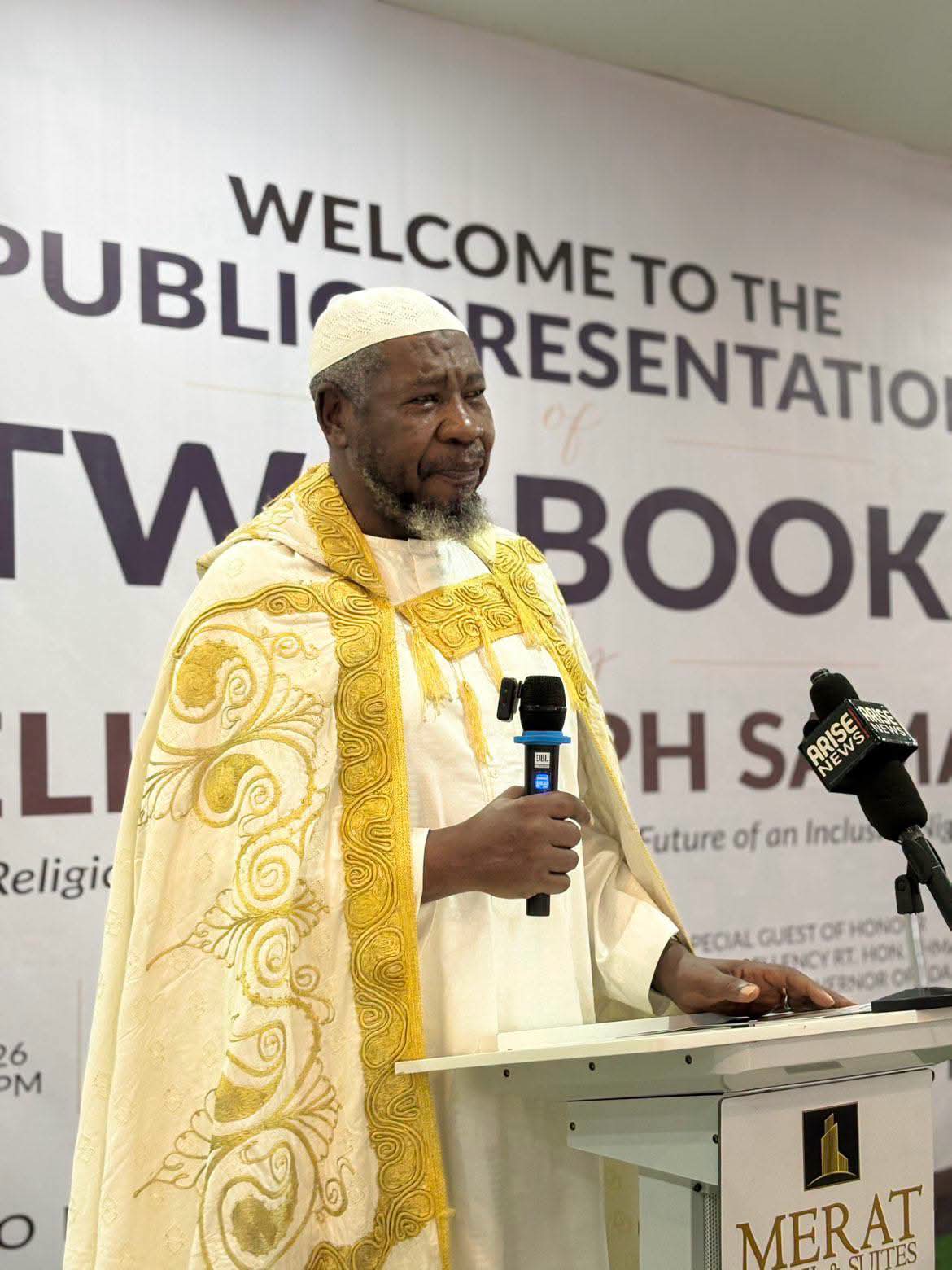
An Abuja-based Islamic cleric, Sheikh Muhammad Nuru Khalid, has urged the Federal Government to regulate religious activities in the country to reduce their negative implications against the public.
Khalid, popularly known as the “Digital Imam”, made the call while delivering a keynote address at the launch of two books in Yola, Adamawa State, at the weekend.
He said some clerics are portraying religion in a negative light through their utterances and actions, adding that such practices are doing more harm than good to society.
According to him, religion is highly practised in Nigeria, but the country has yet to achieve the level of development expected, despite the solutions religion offers to human problems.

“I think the government needs to be courageous enough to regulate religious activities in Nigeria because of how we implicate religion in promoting deviant acts or character.
“Any society that has more places of worship than industries will not prosper,” he said.
The cleric also urged politicians to embrace inclusiveness and citizenship in their manifestos ahead of the 2027 general elections.
He warned that politicians, particularly those seeking public office, who use religion as a campaign tool should be rejected by voters.
Khalid commended Felix Joseph Samari for publishing his two books, “When My Name Wasn’t Called” and “The Implicated Religion, Identity, and the Nigerian Condition”.
He said Samari drew from his personal experiences to encourage people to remain hopeful in their various endeavours.
The Father of the Day, His Royal Majesty Kwandi Nunguraya Kuruhaye Dishon Dansanda, also commended Samari for advocating peace and religious tolerance through his writings.
Dansanda urged politicians to conduct their activities without religious or ethnic sentiments, saying they should regard everyone as equal human beings in the interest of peace and stability.
Speaking at the event, Samari expressed gratitude to those who supported the publication of the books, which he said began as a personal challenge to contribute to improving society.
He described “When My Name Wasn’t Called” as an exploration of identity, belonging and the experiences of minorities in Nigeria.
According to him, the book gives voice to the realities, challenges and hopes of people whose names are often not called and advocates a more inclusive and just society.
On “The Implicated: Religion, Identity and the Nigerian Condition”, Samari said the book examines the complex relationship between religion, identity and Nigeria’s social condition.
He said it also challenges readers to consider their collective responsibility in building a more peaceful, just and united Nigeria.
The two reviewers of the books, the Dean of Student Affairs, Federal College of Education, Yola, Dr Adamu Babikkoi, and Dr. Johnson Madi, an expert in Philosophy of Religion, commended Samari for using his personal experiences to encourage people to persevere in their various fields of endeavour.
(Daily trust )
-

 News12 hours ago
UK universities withdraw admission offers to Nigerians over visa crackdown
-
News12 hours ago
Why kidnappers target NYSC members — Security experts
-
Politics11 hours ago
2027: Protest, relief as INEC releases final candidates’ list
-
News12 hours ago
Benue: Suspected herdsmen kill nine in fresh Ukum attacks
-
Politics11 hours ago
2027: Opposition, APC clash over campaign funding
-
World News12 hours ago
US gunman shoots dead 7 relatives, family friend
-
Business12 hours ago
Fitch revises Nigeria’s outlook to positive, affirms ‘B’ rating
-
Opinion11 hours ago
Did Obi actually win in 2023?