Opinion
Billboard tenants: The invisible Lagosians who sleep, give birth, live in the open

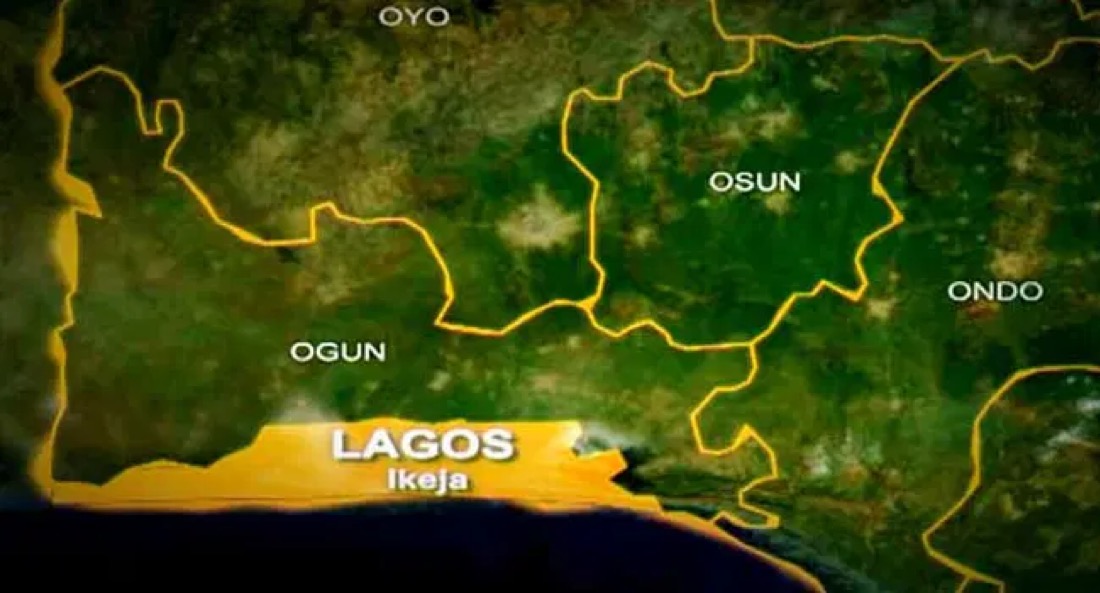
In the restless megacity of Lagos, where skyscrapers rise and traffic never fully sleeps, more than 20,000 residents exist without a permanent roof. They are known, in local parlance, as “billboard tenants.” The name captures a stark reality: people who have no fixed address, no tenancy agreement, and no walls of their own. Instead, they claim temporary shelter under bridges, along highways, in bus terminals, beneath pedestrian walkways, and in the shadows of the city’s ubiquitous advertising structures. Here, under the glare of neon signs or the concrete underbellies of flyovers, they sleep, cook, raise children, and sometimes even give birth.
Lagos, Africa’s largest city by some estimates and home to well over 20 million people, has long struggled with a severe housing deficit. Official figures and NGO assessments point to a shortage measured in the millions of units. Rents have soared amid inflation, currency pressures, and relentless rural-to-urban migration. A modest room in a working-class area can cost hundreds of thousands of naira annually—far beyond the reach of many who scrape by as loaders, scrap-metal collectors, street vendors, or casual labourers. For those displaced by waterfront demolitions, market clearances, or landlord hikes, the street becomes the only option.
Recent years have intensified the crisis. Mass clearances in communities such as Makoko and other lagoon-side settlements have left thousands without homes. In one wave of demolitions alone, around 20,000 people were reported displaced. Families who once lived in stilt houses or rented rooms suddenly found themselves on cardboard mats under the Eko Bridge or similar structures. Mothers sleep with ropes tying their children to them for fear of abduction or separation in the dark. Newborns arrive into the world without the protection of a clinic or even a dry corner. Rain turns concrete floors into streams; mosquitoes and disease thrive; and the constant roar of traffic overhead becomes the soundtrack of survival.
Life for billboard tenants follows a rigid, precarious rhythm. By day, many work—pushing carts, collecting recyclables, hawking goods, or doing odd jobs near the same transit hubs where they later sleep. At night, they return to claimed spots under bridges at Oshodi, Obalende, Ojuelegba, Ijora, or Berger. Some pay informal “rent” to self-appointed gatekeepers for a small patch of ground or a partitioned space. Others simply arrive after dark, unfurl plastic sheets or old clothes, and hope the environmental task force does not raid that night. Bus Rapid Transit terminals and pedestrian bridges have also become overnight shelters. Chairs meant for waiting commuters double as beds. When dawn breaks, the same people rise early, pack their few belongings, wash where they can, and rejoin the city’s formal economy as if the night never happened.

The human cost is visible in small, devastating details. Children grow up knowing only the underside of concrete. Women give birth in the open or with minimal assistance, facing higher risks of infection and complications. Elderly residents who have lived under the same bridge for decades—some for 30 years—speak of the place as both prison and community. Scrap collectors, artisans making cane chairs, and itinerant traders form loose networks of mutual support. Yet insecurity, theft, drug activity in some locations, and periodic government sweeps keep everyone on edge. Fines, arrests, and forced clearances disrupt what little stability exists.
The underlying drivers are structural. Lagos continues to attract migrants seeking opportunity, while formal affordable housing lags far behind demand. Informal settlements absorb many, but demolitions in the name of urban renewal, flood control, or development often displace residents without adequate resettlement. High commercial rents, the conversion of residential space, and the premium placed on waterfront and transit-corridor land leave the poorest with nowhere legal to go. Public infrastructure—bridges built for traffic flow, terminals designed for passengers—becomes the unintended housing stock of last resort.
Authorities have responded with a mix of enforcement and limited social interventions. Environmental task forces periodically clear under-bridge settlements, citing illegality, sanitation risks, and security concerns. Social welfare agencies sometimes round up street dwellers, including children, for institutional care. Yet critics note that without large-scale, genuinely affordable housing, skills programmes, and sustainable livelihoods, such actions merely shift people from one open space to another. Non-governmental organisations estimate the broader homeless population in the city could reach into the hundreds of thousands when including those in temporary or highly insecure arrangements.
The term “billboard tenants” itself is telling. Billboards dominate Lagos skylines and roadways, selling dreams of luxury apartments, cars, and consumer goods to the same motorists who drive past people sleeping below. The contrast is almost cinematic: advertisements for modern living towering over those denied any living space at all. It underscores a deeper urban paradox—the city generates enormous wealth and ambition while leaving a significant underclass exposed to the elements.
Solutions are neither simple nor quick. Expanding social housing, enforcing rent controls or better tenancy protections, investing in satellite towns with proper infrastructure, and creating pathways from informal work to more stable employment would all help. Meaningful resettlement after demolitions, rather than mere clearance, is essential. Community-based support, improved access to primary healthcare and birth facilities for the homeless, and safer designated overnight shelters could reduce immediate suffering. In the longer term, addressing the national housing deficit and the pull factors that drive migration into an already strained megacity remains fundamental.
For now, the billboard tenants remain a visible yet often overlooked feature of Lagos life. They cook over small fires, wash clothes in available water, raise families, and endure rain and heat under structures never intended as homes. Their presence challenges any narrative of seamless urban progress. In a city that never truly sleeps, these thousands sleep in the open—reminding everyone that development that leaves so many without shelter is incomplete. Until permanent, affordable options materialise at scale, the open spaces of Lagos will continue to serve as the only residence many of its people know.
*Adebola wrote in from Akure, Ondo State
-

 News15 hours ago
State Police Bill: Five Assemblies say yes, 31 yet to decide
-
News16 hours ago
Sanwo-Olu orders immediate repairs of Lagos roads
-
Politics15 hours ago
2027: INEC debunks report on voter register display in Lagos
-
News16 hours ago
No plan to increase electricity tariffs – FG insists
-
Metro16 hours ago
50 houses razed, scores injured as explosion rocks Rivers community
-
Metro15 hours ago
NCC phone approval USSD code: How to check if your phone is approved in Nigeria
-
World News16 hours ago
Multiple victims as gunman opens fire at elementary school in US
-
News16 hours ago
Umahi reopens First Niger Bridge adorned with Tinubu’s pictures