Business
Kola Karim’s Shoreline secures $500 million Qatar financing to unlock OML 30’s 100,000-bpd potential

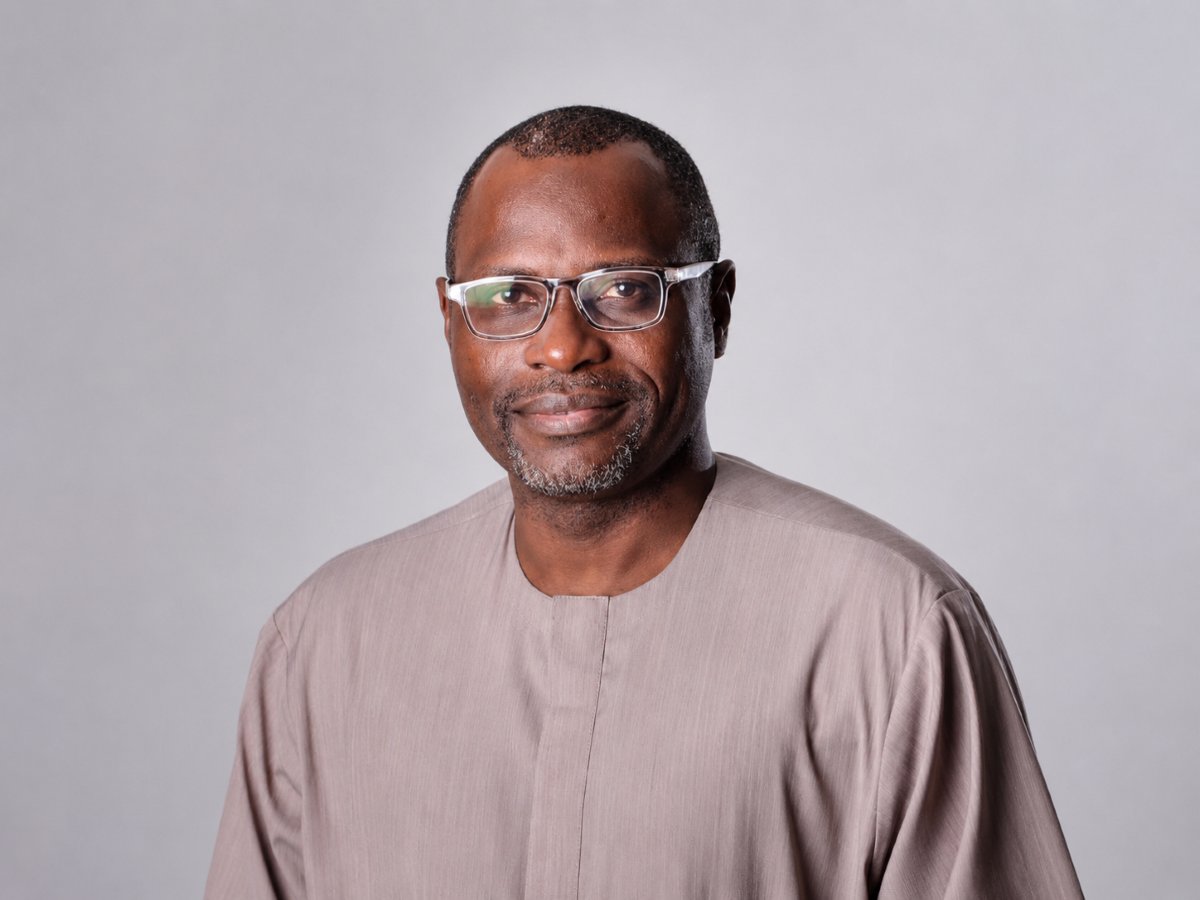
Shoreline Natural Resources, a Lagos-based indigenous energy exploration and production company founded by Nigerian businessman Kola Karim, has secured $500 million in Islamic financing from Qatar Islamic Bank to fund a major drilling programme on Oil Mining Lease 30 (OML 30), giving the indigenous energy company fresh capital to unlock the production potential of one of Nigeria’s major onshore oil assets.
The Shariah-compliant Murabaha facility will support drilling on OML 30 as Shoreline targets production of more than 100,000 barrels per day by the end of 2027. The transaction was recognised as both the IFN Nigeria Deal of the Year and IFN Cross Border Deal of the Year for 2025.
OML 30 has the resources, infrastructure but needs capital
For years, OML 30 has presented Shoreline with a familiar challenge in Nigeria’s oil industry: a large resource base, extensive production infrastructure and significant upside, but the capital required to fully unlock that potential.

Located in the western Niger Delta, about 35 kilometres east of Warri, the approximately 1,097-square-kilometre conventional oil and gas block contains eight primary producing fields, Afiesere, Eriemu, Evwreni, Oweh, Olomoro-Oleh, Kokori, Oroni and Uzere, with numerous stacked reservoirs.
The asset also has nine flow stations and an established crude evacuation system through the Trans Forcados Pipeline, which connects production to the Forcados export terminal.
OML 30 is held through a joint venture between NNPC Exploration and Production Limited, which owns a 55% interest, and Shoreline Natural Resources, which owns the remaining 45%. Heritage Energy Operational Services Limited operates the asset on behalf of the joint venture.
That combination of producing fields, existing infrastructure and access to an export terminal gives Shoreline a foundation to increase output without having to build an entirely new upstream system.
$500 million targets the production gap
The new financing is therefore significant not simply because of its size, but because it is being directed toward drilling, the capital-intensive activity capable of converting OML 30’s resource potential into additional producing wells.
Industry estimates have previously placed production from the asset at roughly 45,000 to 70,000 barrels per day, highlighting the gap between existing output and Shoreline’s target of exceeding 100,000 barrels per day. If the drilling programme delivers as planned, the additional wells could increase production while leveraging OML 30’s existing flow stations, pipeline infrastructure and route to the Forcados terminal.
The Qatar financing provides the company with a new pool of international capital to accelerate development of that position rather than pursue another acquisition. The Murabaha structure also broadens the financing options available to Nigerian upstream operators by bringing Gulf-based Islamic finance into the development of an existing oil asset.
Udo Udoma & Belo-Osagie advised on the transaction, which was structured around the commercial and regulatory requirements of Nigeria’s upstream sector.
A cross-regional milestone
Shoreline Natural Resources Limited, a Nigerian upstream oil and gas exploration and production company incorporated in 2010 by Kola Karim, acquired its 45% interest in OML 30 in 2012 following Shell’s divestment programme, giving Karim’s company a long-term position in one of Nigeria’s established onshore petroleum assets.
As a joint venture between Kola Karim’s Shoreline Power Company Limited and Heritage Oil, their flagship asset, OML 30, remains a massive 1,097-square-kilometre onshore block in the Niger Delta. For Shoreline, the opportunity is straightforward: deploy $500 million into drilling, increase production from an asset with established infrastructure and potentially turn OML 30 into a significantly larger cash-generating platform.
The program’s success will ultimately depend on drilling results and the ability to translate OML 30’s substantial resource base into sustained production. But the financing addresses the central constraint that has long stood between the asset’s existing infrastructure and its larger production potential: capital. (Shore Africa)
-

 Business24 hours ago
Guinness Nigeria profit jumps 53% to N40.69bn
-
Business24 hours ago
Nigerian billionaire Aliko Dangote eyes Egypt oil refining in $15 billion plan
-
Business24 hours ago
Jollof rice cost drops 11.5% as households struggle – Report
-
News16 hours ago
FACT CHECK: Is Uganda Govt Right About Nationality Of Nigeria’s First Ebola Patient?
-
Politics21 hours ago
2027: El-Rufai betrayed us – Ex-Chief of Staff
-
Politics24 hours ago
‘Political differences won’t remove my affection for you’ — Tinubu celebrates Kwankwaso at 70
-
 News13 hours ago
Hardship: Nationwide labour action looms as talks deadlock
-
Business24 hours ago
Elon Musk regains trillionaire status as wealth jumps by $88bn