News
National assembly to translate laws into local languages, digitise records

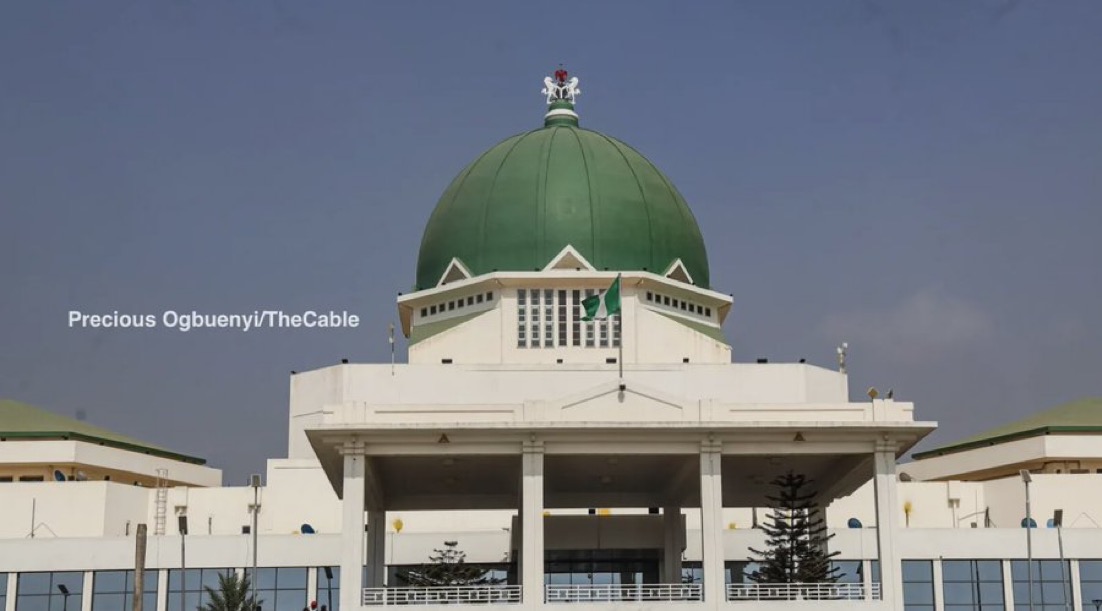
The national assembly has announced plans to translate Nigerian laws into Hausa, Yoruba, Igbo and other local languages to expand public access to legislative information.
Henry Nwawuba, executive secretary of the National Assembly Library Trust Fund, spoke on Monday in Abuja while declaring open the 2026 National Assembly Library Week.
The three-day programme, themed “Parliamentary Memory: Connecting Records, Legislation and the People”, is designed to promote legislative research, access to information and effective use of the national assembly library’s resources.
Nwawuba said the library is working to digitise parliamentary records and make information more accessible to lawmakers, legislative aides, researchers and members of the public.

He said the trust fund is investing in electronic repositories and upgrading the e-Library, while developing a mobile application.
Nwawuba also announced plans for a Bills Tracker that would enable users to follow bills and monitor their progress through the legislative process.
According to him, the library is developing infographics, audiovisual materials and video explainers to simplify bills, acts and legislative procedures for Nigerians.
He said translating laws into Hausa, Yoruba, Igbo and other local languages would broaden access to legislative information and help more citizens understand laws that affect their daily lives.
Nwawuba said the initiatives would also help address inconsistencies in official parliamentary documents and the circulation of fake or unauthorised copies of national assembly records.
He described the library as the “knowledge infrastructure” of the legislature and a repository of parliamentary records, legislative information, research materials and the institutional memory of Nigeria’s democratic journey.
He said the library would organise public policy dialogues to encourage citizens’ participation in public hearings and create more opportunities for interaction among legislators, researchers and other stakeholders.
Representing Godswill Akpabio, president of the senate, Osita Ngwu urged lawmakers to make greater use of the library, particularly amid increasing misinformation, disinformation and the rapid development of artificial intelligence.
In a goodwill message, Tajudeen Abbas, speaker of the house of representatives, represented by Julius Ihonvbere, house leader, said legislative records are essential to understanding Nigeria’s history and strengthening democratic governance.
Abbas said the strength of a legislature should be measured not only by the laws it enacts but also by how effectively it documents its activities, preserves institutional knowledge and makes such information available to future generations.
Kamoru Ogunlana, clerk to the national assembly, identified the Order Paper, Votes and Proceedings and Hansard as key components of Nigeria’s democratic memory.
Ogunlana warned against the circulation of incomplete, outdated, altered or unauthorised bills, acts and other parliamentary documents, adding that digital technology has made it possible for documents to be manipulated and widely circulated within minutes.
He called for stronger collaboration among the national assembly, the office of the attorney-general of the federation, the Nigerian law reform commission and the federal government press to ensure Nigerians have access to current and authoritative versions of federal laws.
He said the continued widespread use of the Laws of the Federation of Nigeria, LFN 2004, highlighted the challenges of maintaining a current and authoritative consolidated body of federal legislation.
The clerk called for stronger cybersecurity, digital preservation, secure authentication, access controls, backup systems and staff training as parliamentary records become increasingly digitised.
Lawal Umar, president of the Nigerian Library Association, called for sustained investment in libraries and modern information technology to improve access to legislative information.(TheCable)
-

 News18 hours ago
FACT CHECK: Is Uganda Govt Right About Nationality Of Nigeria’s First Ebola Patient?
-
Politics23 hours ago
2027: El-Rufai betrayed us – Ex-Chief of Staff
-
 News15 hours ago
Hardship: Nationwide labour action looms as talks deadlock
-
News18 hours ago
Bandits kill teacher, two others in Sokoto ambush
-
News23 hours ago
Ebola: UN expresses confidence in Nigeria’s containment efforts
-
Sports23 hours ago
Maradona doctor was made ‘scapegoat’ for his death, court told
-
Politics23 hours ago
How Tinubu, Matawalle Returned 8 Aggrieved Zamfara Lawmakers To APC
-
News15 hours ago
Court grants ICPC’s prayer to play CCTV footage in El-Rufai’s N10bn suit