Politics
Atiku Camp Slams Tinubu Government For ‘Misleading’ Nigerians Over Fuel Discount, Demands Explanation Of NNPC’s ₦5.8trillion Dividend

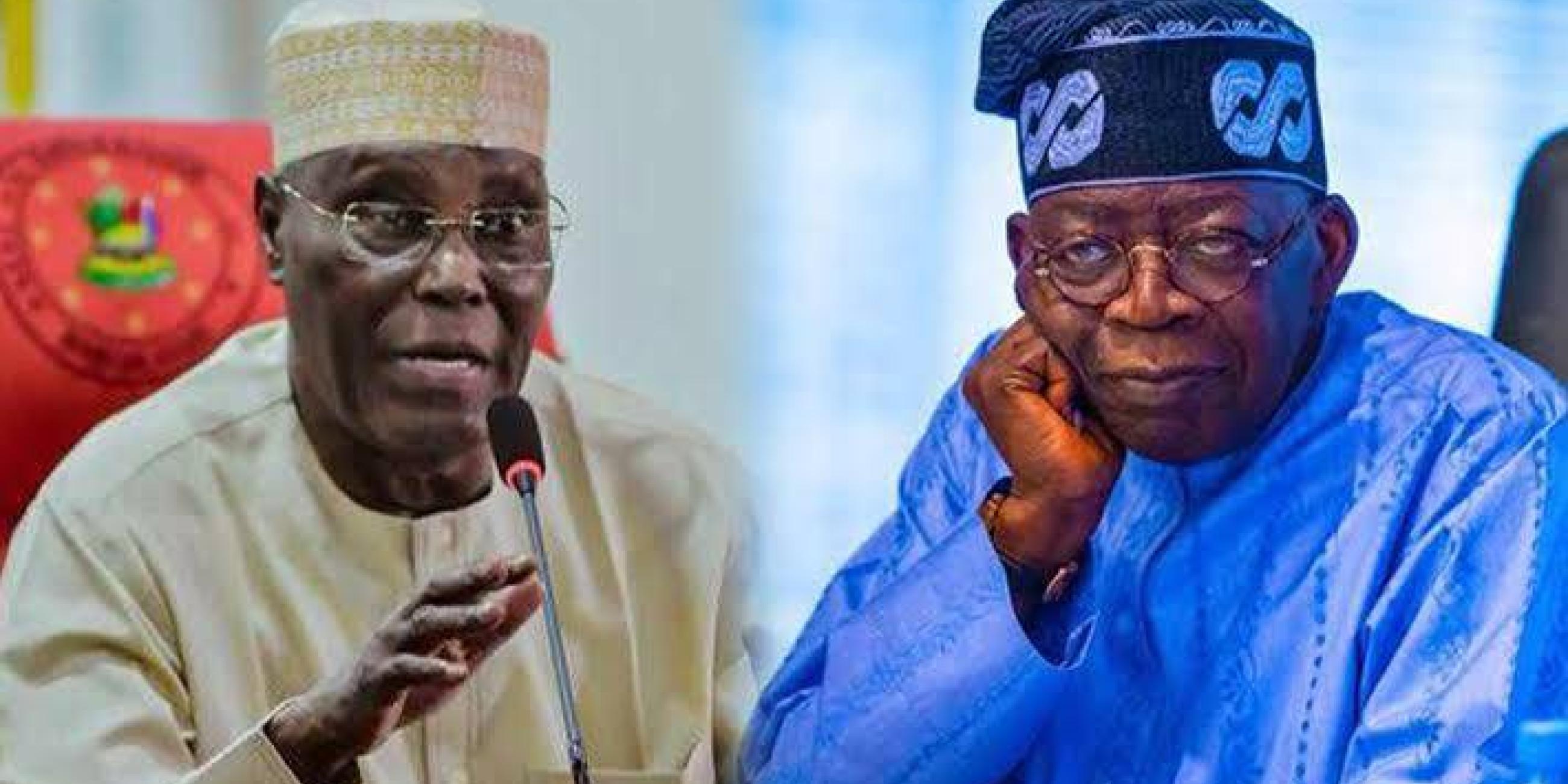
Paul Ibe, the media adviser to former Vice President and African Democratic Congress (ADC) presidential candidate, Atiku Abubakar, has accused President Bola Tinubu’s administration of “misleading” Nigerians over its 30-day petrol discount.
He demanded an explanation of how the intervention could be described as involving no public money when the Nigerian National Petroleum Company Limited (NNPC) recently declared ₦5.8trillion in dividends for the 2025 financial year.
Ibe, while reacting to the Nigerian government’s defence of the petrol discount, said Minister of Finance and coordinating Minister of the economy, Taiwo Oyedele’s attempt to distinguish the measure from a fuel subsidy failed to address the public financial interest involved.
He argued that NNPC Retail is wholly owned by NNPC Limited, a company owned by the Nigerian government through the Ministry of Finance Incorporated (MOFI) and the Ministry of Petroleum Incorporated (MOPI).

Ibe said there was a technical difference between the temporary price discount being offered by NNPC Retail and a conventional fuel subsidy.
However, he argued that the government’s categorical claim that “no public money is involved” was misleading because NNPC Retail is part of a publicly owned corporate structure whose revenues and profits ultimately have implications for the Nigerian federation.
In a statement addressed to the Finance Minister, Ibe challenged the government to disclose the financial implications of the intervention, including its potential effect on NNPC Retail’s profitability and dividends accruing to the federation.
“While there is a technical difference, his categorical claim that ‘no public money is involved’ is misleading. Indeed, there’s public money involved,” Ibe said.
He cited Section 53(3) of the Petroleum Industry Act (PIA) 2021, arguing that NNPC Limited belongs to the Nigerian Federation through the Ministry of Finance Incorporated (MOFI) and the Ministry of Petroleum Incorporated (MOPI).
According to him, NNPC Retail, being wholly owned by NNPC Limited, therefore has a public financial interest that cannot simply be dismissed because the Nigerian government did not make a direct budgetary appropriation for the discount.
Referencing NNPC Limited’s recently declared ₦5.8trillion dividend for the 2025 financial year, Ibe asked the minister to clarify who ultimately owns the revenue and profits generated by the state-owned oil company.
“Minister Oyedele, whose money is that?” Ibe asked.
“If NNPC Retail sacrifices its profit margin to offer discounted petrol, it is foregoing revenue belonging to a publicly owned company,” he said.
“Unless increased sales compensate for the reduction, its profits and ultimately dividends accruing to the Federation could be affected.”
Ibe said there was “a world of difference” between saying that no money was appropriated from the Federal Government’s budget and claiming that no public financial interest was involved.
“Public corporate revenue is part of Nigeria’s wealth,” he said.
The controversy follows the Nigerian government’s announcement of a 30-day petrol discount through NNPC Retail stations amid renewed pressure on Nigerians from rising petrol prices.
The government has insisted that the intervention should not be interpreted as a return to the fuel subsidy regime abolished by Tinubu in May 2023.
Ibe, however, said Nigerians were less concerned about the government’s economic terminology than about whether they could afford petrol.
“But Nigerians are more interested in affordable petrol than economic semantics,” he said.
He questioned why the relief was restricted to NNPC Retail’s network of just over 900 outlets when millions of Nigerians buy petrol from other marketers.
“Why restrict relief to NNPC Retail’s network of just over 900 outlets? What happens to millions of Nigerians who patronise other marketers’ outlets totalling about 21,781?” he asked.
“And what happens when the discount expires on October 31?” he asked, linking the controversy to Atiku’s earlier proposal for a transparent, production-centred subsidy aimed at making locally refined petrol more affordable.
According to Ibe, the Tinubu administration previously rejected Atiku’s position but has now introduced its own form of price intervention while resisting the description of the measure as a subsidy.
“When Atiku Abubakar proposed a transparent, production-centred subsidy to make locally refined petrol affordable, the administration dismissed it,” Ibe said.
“Today, the same government celebrates its own price intervention while struggling to explain why it should not be called a subsidy.”
He argued that the government’s intervention had inadvertently reinforced the former vice president’s position that government economic policies should prioritise the welfare of citizens.
“Atiku’s proposal seeks broader, sustainable relief through transparent, targeted support for domestic refining, rather than a temporary discount restricted to one retail network,” he said.
“We welcome any genuine relief, but Nigerians deserve more than selective, short-lived interventions,” he said.
Ibe said Nigerians should not be forced to endure economic hardship while the government focuses on defending the terminology surrounding its intervention.
“Nigerians cannot eat economic definitions. They cannot fuel their vehicles with press releases,” he said.
“Minister Oyedele should publish the financial implications of the discount, including its effect on NNPC Retail’s profitability and potential Federation dividends.
“Governance is about improving lives, not winning arguments over the vocabulary of economic hardship.” (SaharaReporters)
-

 Politics13 hours ago
‘Tinubu Will Do Anything To Win This Election’ – Nigerians React To FG’s Fresh Moves
-
Politics13 hours ago
2027: Only mad people will vote for Tinubu – Amaechi
-
News13 hours ago
Nigeria’s Economy Now On Stronger Footing – FG
-
 News13 hours ago
Stop Politics, End Killings – ACF Tells FG
-
News13 hours ago
Lagos records 1,324 fire incidents, 65 deaths in nine months
-
World News13 hours ago
Fort Hood attacker’s execution by firing squad will be livestreamed, Pentagon says
-
Politics13 hours ago
2027: ADC defies INEC warning, vows to publish polling-unit results
-
News23 hours ago
Labour gives FG two-week ultimatum to revert petrol price to 2024 level