Politics
Ebola: Parties reject campaign suspension

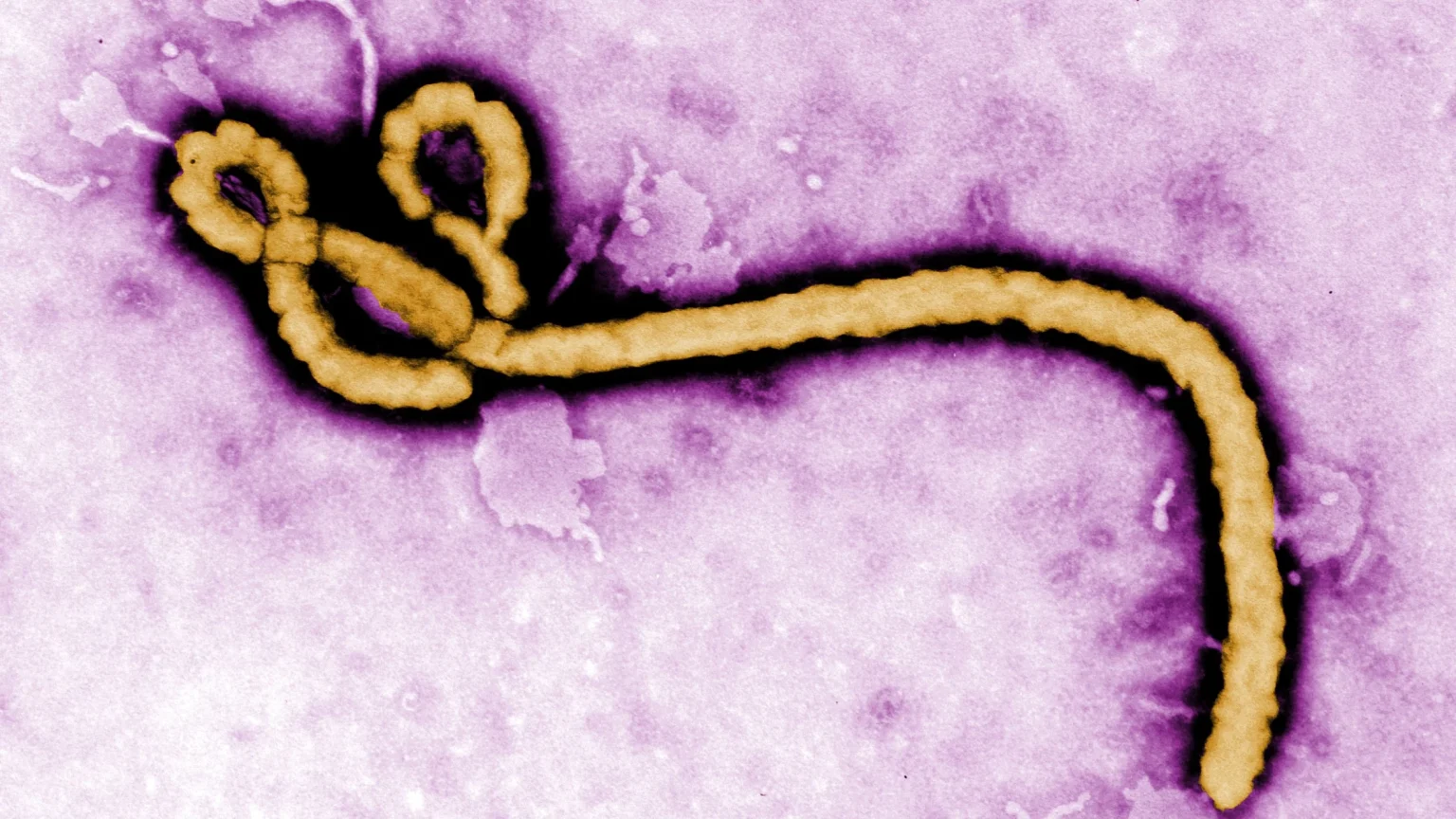
Some political parties have opposed calls to suspend campaign activities ahead of the 2027 general elections over the reported Ebola case in the country as they urged the Federal Government to issue clear public health guidelines and strengthen preventive measures.
The parties argued that political activities could continue with appropriate safety measures to minimise the risk of transmission at rallies and other large gatherings.
The Coordinating Minister of Health and Social Welfare, Prof Muhammad Ali Pate, had said there was no immediate need to cancel political campaigns, conferences or other large public gatherings following the reported case.
Speaking with Sunday PUNCH, the National Director of Publicity of the All Progressives Congress, Bala Ibrahim, urged Nigerians to remain calm, noting that the Nigeria Centre for Disease Control and Prevention, the Federal Ministry of Health and other relevant agencies had issued advisories on the outbreak.

He cautioned against politicising the situation and warned that doing so could cause panic and confusion.
Ibrahim said, “Contagious disease or infectious diseases that require quarantine and proper investigation is not something that you subject to political discussion. This is a very technical issue and a sensitive one for that matter.
“Let us not take the matter to the political arena where there will be panic, and there will be fear and confusion in the country.”
The African Democratic Congress, however, expressed concern that the Federal Government might use the outbreak as a pretext to restrict opposition campaigns.
The party’s National Publicity Secretary, Bolaji Abdullahi, told Sunday PUNCH that any restrictions on political activities must be based on clear and transparent public health considerations.
“The health of Nigerians should be the priority for everyone, but we also have to be very careful that we don’t create a situation for political opportunism. With President Bola Tinubu declaring that he will not be able to campaign, we are afraid that the federal government may now take advantage of this Ebola situation to shut down campaigns for other political parties as well.
“If they want to advise us not to campaign, they have to tell us why and then we will also raise other questions at the appropriate time,” he said.
Similarly, the Social Democratic Party opposed an outright suspension of political campaigns as he urged the government to strengthen public health surveillance and preventive measures instead.
The party’s National Publicity Secretary, Rufus Araba, said the situation did not warrant a blanket suspension of campaigns as political parties prepared for the elections.
He said candidates needed to reach voters and communicate their manifestos but stressed that public health and safety must remain priorities.
On its part, the Nigeria Democratic Congress urged political parties to adopt safer campaign strategies, including approaches that minimise physical contact, rather than suspend political activities.
The party’s Publicity Secretary in Lagos State, Olushile Akinyemi, told Sunday PUNCH that suspending political activities without clear and transparent justification could deepen public suspicion, particularly amid existing distrust of the Independent National Electoral Commission and the electoral process.
He said that parties should adjust their campaign strategies to reduce transmission risks while ensuring candidates remain connected to voters.
“Campaigns should continue under strict safety protocols, and not be halted abruptly,” Akinyemi said.
Ebola: Temperature screening alone may miss infected travellers – Experts
Meanwhile, a consultant epidemiologist and public health physician at the Ahmadu Bello University Teaching Hospital, Zaria, Kaduna State, Professor Aisha Abubakar, has warned that routine temperature screening at airports may fail to detect travellers infected with Ebola.
She called for stronger disease surveillance, improved infection prevention and control in health facilities, and intensified public awareness to prevent the spread of the disease.
Abubakar said the case should prompt the government to review its preparedness and strengthen measures for identifying suspected infections, tracing contacts and containing further transmission.
She noted that the country receives travellers from different parts of the world, including returning Nigerians and foreign nationals visiting for business and other purposes, making effective surveillance at the country’s points of entry essential.
Asked whether the case indicated a failure of preparedness, the epidemiologist said it would be premature to attribute the development entirely to inadequate preparedness, explaining that routine temperature screening had limitations.
“One of the cardinal signs of Ebola virus disease is fever. If an individual arrives at the airport without a fever, it may be difficult to identify the infection through routine temperature screening alone. In this case, the individual was reportedly able to enter the country without being detected at the airport and subsequently visited a private hospital, where she was later diagnosed with Ebola. That is the situation we are dealing with now,” she said.
The disease expert stressed that an infected person might not have a fever or other symptoms at the time of arrival, making detection through routine screening difficult.
“We must acknowledge that no screening system can detect every infected person, particularly when they are not yet symptomatic. Ebola symptoms can include fever, severe body aches, weakness, vomiting, diarrhoea and, in some cases, unexplained bleeding,” she said.
Abubakar called for more intensive public awareness campaigns, noting that information about the disease and its transmission was crucial to preventing further infections.
With about 44 contacts reportedly identified for monitoring, she said prompt contact tracing and monitoring were essential to containing the outbreak.
The don urged the government to strengthen infection prevention and control in hospitals and communities, improve disease surveillance systems, and ensure that healthcare workers were adequately trained and equipped to identify and manage suspected cases.
Abubakar said the country needed to review its response measures and ensure that exposed individuals were identified and monitored in line with public health guidance.
“One important strategy used in outbreak response is the ring approach, which involves identifying and monitoring the contacts of an infected individual, as well as the contacts of those individuals where necessary. People who have been exposed must be monitored for the recommended duration of the incubation period, in accordance with public health guidance. Where required, they should follow appropriate isolation or quarantine instructions to reduce the risk of further transmission,” she said.
The expert explained that Ebola was primarily transmitted through direct contact with the bodily fluids of a symptomatic infected person or contaminated materials, underscoring the importance of early detection and appropriate infection prevention measures.
The epidemiologist urged Nigerians not to conceal symptoms or travel histories that could assist health authorities in identifying people who might have been exposed to the virus.
The don also called for a review of health declaration procedures at airports and other points of entry, including the possible use of digital systems to collect relevant information about travellers’ recent movements, symptoms and potential exposure to infectious diseases.
Also, a consultant public health physician at the University of Ilorin Teaching Hospital, Kwara State, Professor Tanimola Akande, said the reported imported case did not necessarily indicate a lack of preparedness, noting that health authorities had stepped up surveillance to prevent further transmission.
Akande, a former Head of the Department of Epidemiology and Community Health at the University of Ilorin, said the government had also established a high-level task force led by the Chief of Staff to coordinate strategies to contain the disease.
He said the NCDC had intensified surveillance at international airports and borders, while public awareness needed to be strengthened to ensure Nigerians understood how to prevent infection.
“Nigeria has the capacity for effective surveillance. This was demonstrated in the previous imported case of Ebola. The main thing to do is to have a good surveillance system and particularly strengthen surveillance at the airports and land borders,” he said.
Reacting to reports that some schools in Lagos had directed pupils to wear nose masks, Akande said Ebola was not transmitted through the air in the same way as COVID-19 and that routine mask use was not necessary for preventing transmission among the general public.
He acknowledged that public awareness might still be low but said coverage of the outbreak in the mass media and on social media had increased in recent days.
Akande, however, expressed concern about the preparedness of Nigerian hospitals, urging the government to provide adequate resources for infection prevention and control in health facilities.
“Nigerian hospitals may not be adequately prepared. The government will need to do more to provide resources for infection prevention and control across all health facilities. Personal protective equipment is required in adequate quantities at all health facilities,” he added. (Punch))
-

 Politics20 minutes ago
Tinubu using foreign reserves to create misleading impression of economic growth – Makinde
-
Politics18 minutes ago
ADC mocks APC over ‘rented crowds, empty seats’ at Kaduna rally
-
Metro13 hours ago
UK police arrest 15-year-old boy for photoshopping local politician into rabbit
-
Politics16 minutes ago
2027: It’s Our Turn To Repay Tinubu – Shettima Tells Northerners
-
Business16 hours ago
Otedola buying Dangote Cement again as shares jump 10%
-
Politics14 minutes ago
2027: Forget About Social Media News, Nigerians Love Tinubu – Information Minister
-
Politics13 hours ago
APC mobilisers caution party members against mentioning Tinubu’s name during campaigns in North
-
Metro9 minutes ago
How AI-generated photo cost kidnap victim N4m ransom – Freed Benue graduate