Business
Gas shortages, low water levels reduce power generation — NISO

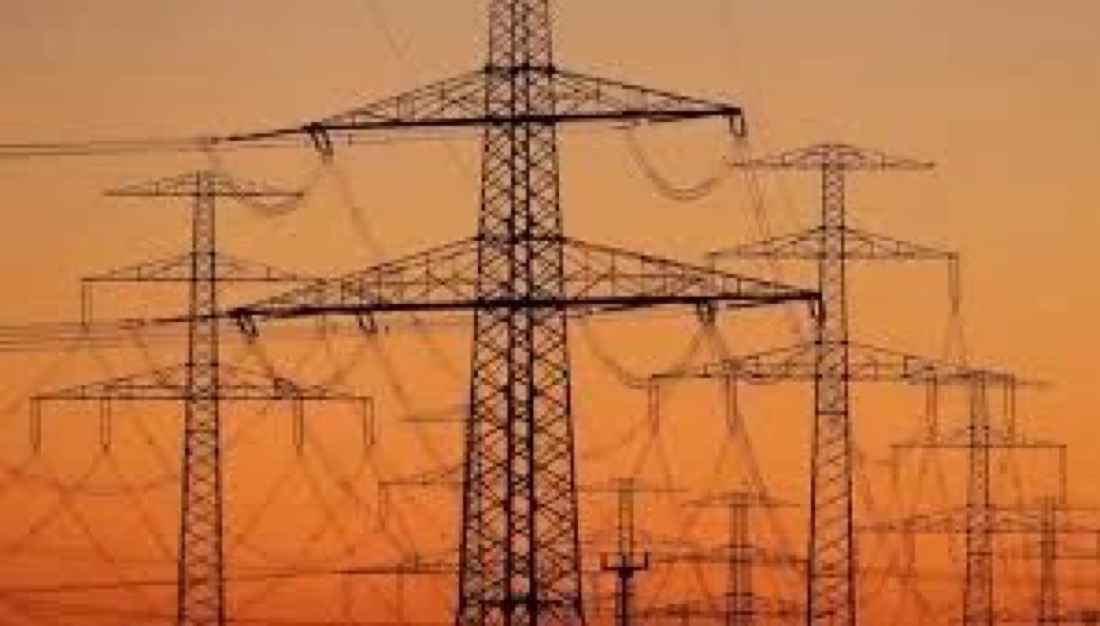
Nigerians are facing worsening electricity supply amid intense heat as gas shortages and reduced water levels in hydroelectric reservoirs combine to constrain power generation across the national grid.
The development has forced electricity distribution companies to reduce supply hours and increase load shedding across their networks, leaving households and businesses with fewer hours of electricity at a time when demand for cooling and other essential services is high.
The Nigerian Independent System Operator disclosed this in a statement signed by its management on Thursday, attributing the decline in electricity generation to inadequate gas supply to thermal power plants and reduced output from hydroelectric stations.
The disclosure highlights the vulnerability of Nigeria’s electricity system to disruptions in its two major sources of grid power, with gas-fired plants and hydropower stations both struggling to deliver their available capacity.

The statement read, “The Nigerian Independent System Operator wishes to inform the public that the current decline in electricity generation on the national grid is primarily attributed to constraints in gas supply to thermal power generating stations and reduced output from hydroelectric power stations.
“The limited availability of gas has constrained the capacity of affected thermal generating stations to operate at their available levels, while reduced water inflows into reservoirs have impacted the generation capacity of hydroelectric power stations.”
NISO explained that inadequate gas supplies had prevented affected thermal generating stations from operating at their available capacity, while reduced water inflows into reservoirs had limited the output of hydroelectric power stations.
It said the combined constraints had reduced the electricity available for distribution to consumers, forcing DisCos to adjust their supply schedules.
“Consequently, the reduction in available generation has affected the quantum of electricity allocated to Distribution Companies (DisCos) for onward supply to consumers thereby resulted in reduced hours of electricity supply and increased load shedding across distribution networks, with the level of impact varying according to available generation and the corresponding allocations to individual DisCos,” the operator stated.
The situation comes amid intense heat conditions, increasing the importance of reliable electricity for households, businesses and public facilities that depend on fans, air conditioners and other cooling equipment.
Reduced electricity supply also threatens the operations of small businesses that rely on power for refrigeration, water pumping, food preservation and other daily activities, potentially increasing their dependence on expensive petrol and diesel generators.
The development is particularly concerning as Nigeria faces the emerging effects of El Niño, a climate phenomenon associated with unusually high global temperatures and changing rainfall patterns.
The Nigerian Meteorological Agency confirmed in an August 2026 climate update that a strong El Niño event had developed and was expected to influence global weather patterns. The World Meteorological Organisation also projected that the phenomenon could strengthen towards the end of 2026 and persist into early 2027.
The combination of high temperatures and unreliable electricity has increased pressure on households, particularly those relying on electric fans and air conditioners to cope with the heat.
Nigeria relies heavily on gas-fired thermal stations, with hydropower providing another major source of grid electricity. Constraints affecting either source can therefore significantly reduce the volume of electricity available to consumers.
NISO acknowledged the hardship caused by the generation shortfall, saying it was working to manage available electricity and improve the resilience of the national grid.
“NISO acknowledges the impact of the current generation shortfall on electricity consumers nationwide and appreciates the concerns expressed by members of the public and other stakeholders.
“While we are actively working on the diversification of our energy mix for the national grid to ensure security of supply, NISO remains committed to maintaining grid stability, optimizing the dispatch of available generation, and ensuring the secure, reliable and efficient operation of the national grid within prevailing operational constraints,” the statement added.
The latest development underscores the need to address persistent gas supply constraints and accelerate investment in alternative energy sources to reduce the national grid’s exposure to disruptions affecting individual generation sources.(Punch)
-

 News12 hours ago
Amidst heatwave, electricity supply shortage bites harder
-
News12 hours ago
Soldier, pregnant woman killed, 15 abducted in Taraba
-
Sports12 hours ago
Nigeria defeat Brazil to reach first-ever women’s U-17 World Cup final
-
World News12 hours ago
‘Trump voters were angry’ — JD Vance blames Iran war for Republican losses in US mid-terms
-
News12 hours ago
State police: Six assemblies face Nov 15 approval deadline
-
Politics12 hours ago
ADC says Atiku’s Sokoto rally turnout shows growing discontent with Tinubu
-
Business12 hours ago
Airfares jump by 200% ahead of festive season
-
Politics12 hours ago
2027: Obasanjo’s son backs Tinubu’s re-election