News
World bank flags unpaid NIN agent as 59 million Nigerians remain unenrolled

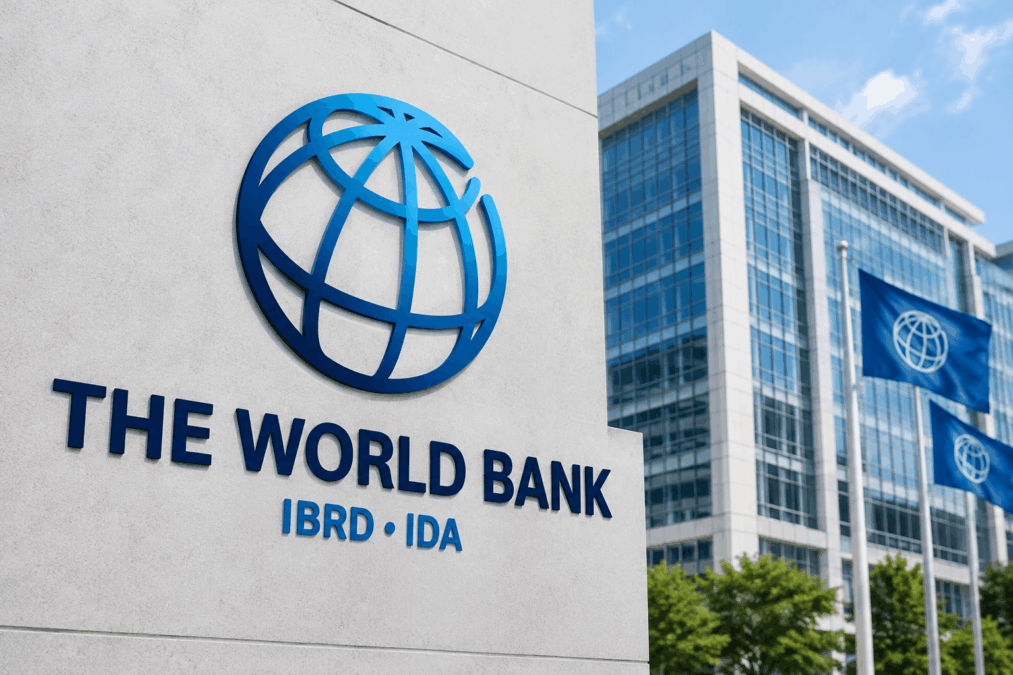
Nigeria’s push to expand national identity registration is facing fresh setbacks, with unpaid enrolment agents and delays in technology deployment threatening efforts to register millions of Nigerians still outside the national database.
The World Bank disclosed in its October restructuring report on the Nigeria Digital Identification for Development (ID4D) project that Front-End Partners (FEPs) contracted by the National Identity Management Commission (NIMC) had not received payments since January 2026.
The disclosure comes as Nigeria remains 59 million short of its target of enrolling 180 million people. About 121 million Nigerians had received their National Identification Numbers (NINs) as of September 30, 2026.
The outstanding payments could affect the registration network, particularly in communities where private agents help residents access enrolment services.

The World Bank said NIMC needs to address the payment backlog and ensure its billing system produces audited reports required to process payments to the partners.
There is also a growing gap between the current registration rate and what is needed to meet the target.
NIMC is currently registering about 1.5 million people monthly but needs to raise that figure to 3.9 million, according to the World Bank. That means enrolment must increase by about 160 percent.
The ward-level registration campaign, which began in March 2026, had generated 10 million NINs by the end of September. However, the progress has not been enough to put the country on track to meet its target.
Other outstanding activities include training and certifying enrolment agents, deploying 7,000 mobile registration devices and extending registration to schools and underserved communities.
The devices are expected to be deployed by January 2027, while school-based enrolment is scheduled to begin in December 2026.
The registration challenges have also contributed to pressure for more time to complete the digital identity programme.
The Federal Government has requested a 12-month extension of the project, shifting its proposed closing date from December 31, 2026, to December 31, 2027.
This would be the third extension since the project was approved in February 2020.
The programme has total financing of about $430 million from the World Bank, the French Development Agency and the European Investment Bank.
As of the latest assessment, $234 million, or 54.4 percent of the financing, had been disbursed. About $196 million remained undisbursed.
A key part of the delay is the implementation of the National Identity Management System 2.0, a technology upgrade intended to improve the capacity and security of the national identity database.
The upgrade is expected to make the system more reliable and improve its ability to support identity verification across public and private institutions. (BusinessDay)
-

 Politics21 hours ago
BREAKING: Court sacks Mark-led ADC NWC, nullifies Atiku’s candidacy
-
News2 hours ago
₦70,000 Transport Allowance Shows Tinubu Cares About Workers – Oshiomhole
-
News20 hours ago
Kidnappers demand N25m for nine corps members, driver abducted in Ogun
-
Metro17 hours ago
Residents Petition Lagos Govt, Police Over Killings In Oko-Agbon, Iwaya, Demand Arrest Of Alleged Masterminds
-
Politics20 hours ago
2027: APC taking Nigeria backwards – Utomi tells voters
-
Metro20 hours ago
Judge recuses self from Lagos Country Club leadership suit
-
Politics19 hours ago
BREAKING: ADC rejects judgment nullifying Atiku’s candidacy, accuses APC of plotting to destabilise Nigeria
-
Politics3 hours ago
Despite Court’s Ruling, Crowd Flood Birnin Kebbi Rally For Atiku