

Business
Power outages deepen cost pressures for Nigerian businesses as growth slows

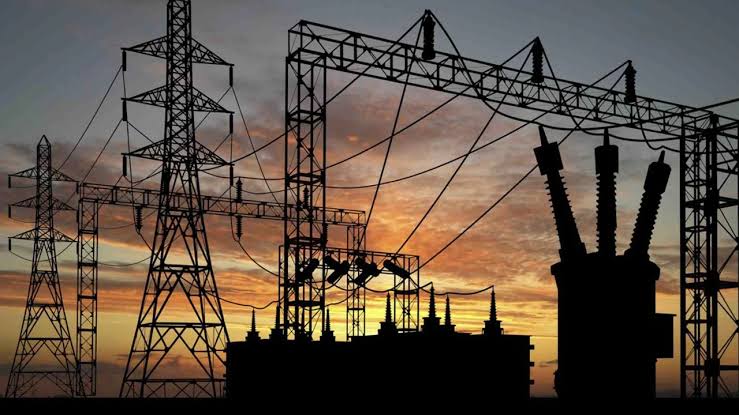
Frequent power outages are deepening operating cost pressures for Nigerian businesses, with manufacturers, traders and service providers struggling with unreliable electricity supply, inadequate infrastructure and limited access to finance, according to the October 2026 Business Confidence Monitor (BCM) by the Nigerian Economic Summit Group (NESG).
The report, obtained by BusinessDay, identified incessant electricity disruptions as one of the major constraints confronting businesses in October as Nigeria’s Current Business Performance Index moderated to 115.4 points in October from 117.8 points in September, although it remained above the 111.3 points recorded in October 2025.
All sectors remained in expansion territory, but only Trade and Services performed better than in the previous month, while Agriculture, Manufacturing and Non-Manufacturing recorded slower growth raising concerns about the cost of sustaining production and commercial activities in an economy where firms are already battling elevated operating expenses.
“Notwithstanding the broad-based expansion, most firms continued to face key constraints, including limited access to finance, incessant power outages, elevated rental costs, infrastructural challenges, and insecurity,” the report stated.

These challenges, it noted, amplified cost pressures during the month, despite continued expansion in business activity across the economy.
The findings highlight the persistent infrastructure challenges facing Nigeria’s private sector, where unreliable electricity supply continues to complicate production planning, increase operating expenses and undermine business competitiveness.
For manufacturers, the impact is particularly significant because electricity is essential to sustaining production lines, processing raw materials and maintaining factory operations.
The NESG report showed that manufacturing activity remained in expansion territory in October, but its Current Business Performance Index declined to 107.3 points from 108.4 points in September and 111.3 points in October 2025.
It identified regular power cuts, short supply of raw materials, elevated rental costs, limited access to credit, and infrastructure challenges” as persistent constraints facing manufacturers.
The slowdown was particularly evident across major manufacturing subsectors. Textile, Apparel and Footwear moved into contraction territory, with its performance index falling to 99.7 points in October from 127.5 points in September.
Cement also remained in contraction territory at 94.5 points, while Food, Beverage and Tobacco was the only one of the three largest manufacturing subsectors to remain in expansion and record improved performance compared with the previous month.
The pressure extends beyond manufacturing to non-manufacturing businesses, where electricity disruptions and other infrastructure deficiencies continue to constrain activity.
According to the report, business activity in the non-manufacturing sector remained in expansion territory, but its Current Business Performance Index dropped to 107.7 points in October from 113.4 points in September and 115 points a year earlier.
The NESG identified incessant power outages, limited access to credit, infrastructure challenges, and elevated rental costs as key growth-inhibiting constraints in the sector.
It further noted that these challenges heightened cost pressures facing many industry players during the month.
Construction, a major component of the sector, recorded a sharp moderation in business performance, with its index declining to 114.2 points from 136.4 points in September.
The trade sector also continued to face electricity-related challenges despite recording stronger business activity.
Its Current Business Performance Index increased to 136.1 points in October from 128.5 points in September, supported by improved retail activity.
The broader cost implications are reflected in the NESG’s business indicators.
The cost of doing business sub-index stood at 45.2 points in October, significantly below the 100-point neutral threshold, while the prices sub-index was 65.5 points.
The report explained that the readings indicated that a net majority of firms still reported elevated costs and producer prices.
Although both indicators improved relative to September, their positions below the neutral threshold suggest that businesses continued to face substantial cost pressures.
The Future Business Expectations Index increased to 130.8 points in October from 128.9 points in September, indicating stronger optimism about business conditions over the next one to three months.
Trade recorded the highest optimism at 194 points, followed by Manufacturing at 145.1 points and Non-Manufacturing at 135 points.
The NESG attributed the improved outlook largely to expectations of stronger consumer demand during the year-end festivities and ongoing campaign activities.(BusinessDay)
-

 Politics21 hours ago
Imam Removed Over Alleged Tinubu Support Tenders Apology
-
News21 hours ago
Nigeria’s External Debt Rises To $145bn As World Bank Flags Costly Borrowing
-
Business20 hours ago
Kenyan tribunal dismisses consumer group’s petition against Dangote’s planned refinery
-
 News21 hours ago
Court Sentences Killers Of Kano Housewife, 6 Children To Death
-
Business3 hours ago
Borrowers drown in debt, loan apps battle defaults
-
Politics20 hours ago
No court ruling can keep me off 2027 ballot — Atiku
-
News3 hours ago
Power supply to improve in 72 hours — Minister
-
Politics3 hours ago
Naira would have become worthless without reforms – Tinubu