
Opinion
With current external debts, Nigeria’s development is stalled

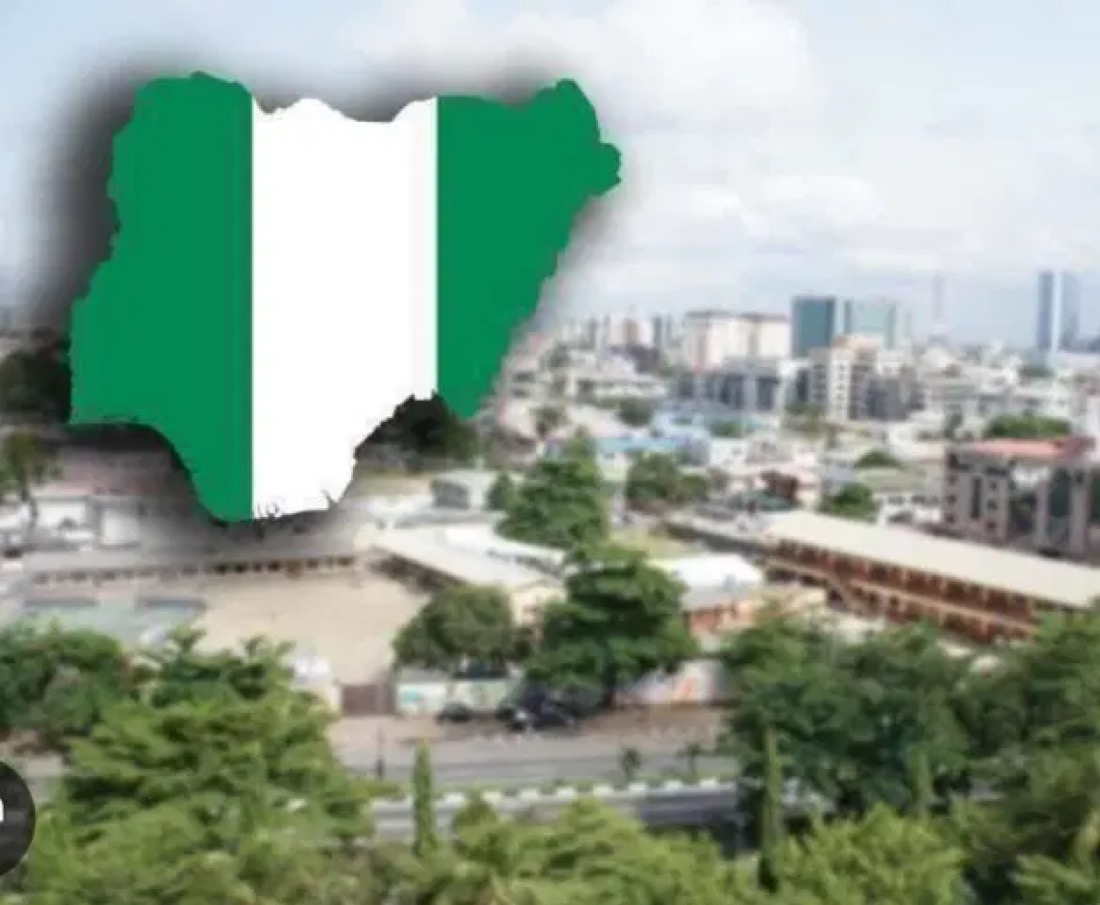
When the World Bank reported last week that Nigeria’s external debt has reached US$145.015bn at the end of 2025, I got depressed. We have finally entered a debt trap, which is a situation in which a borrower lives on debt perpetually. The borrower would need to take out new loans, roll over existing loans or debt, and service that debt to stay afloat. Debt service and repayments grow faster than the country’s revenue, making it almost impossible to pay the principal. Debt perpetuity!
But the World Bank figure in its “World Bank’s International Debt Report 2026, is an overstatement of the way it was reported. It can also be viewed as an undeserved but timely alarm. The figure represents both public and private sector debts. The Debt Management Office put the figure at US$54.52bn as of June 30, 2026. Nevertheless, we are in a debt trap, given how the government takes on more loans these days.
A debt trap for individuals results in a sorry state, as their savings are eroded; they use all income to service debt, sell property or engage in asset liquidation to meet debt servicing, creating anxiety, high blood pressure and other health hazards. For businesses, it can quickly lead to insolvency, bankruptcy or total closure. For a country, high public debt forces the government to spend a large share of revenue on interest payments, at the expense of social welfare projects and public infrastructure. The country engages in unending restructuring and economic reforms that could bring in more revenue to meet debt servicing rather than economic development. We can see this happening presently, as a sign that we are already trapped. How did we get here, and what should we do?
At the end of President Obasanjo’s tenure on May 29, 2007, external debt stood at $2.11bn, and by the end of 2007, the Debt Management Office recorded it at $3.65bn. With historic Paris Club debt relief in the Obasanjo era, Nigeria’s growth was assured. Obasanjo left a legacy of debt relief, having inherited debts worth $28 billion, largely owed to the Paris Club by the preceding military governments. Paris Club debts came from the private sector and carried high, varied interest rates. The Obasanjo government not only left huge external reserves but also left a sovereign wealth fund of about US$15bn as an emergency fund, which would help to avoid this debt trap. The sovereign wealth fund was shared by politicians during the era of President Goodluck Jonathan.

The build-up of external debt that led to this debt trap began during President Jonathan’s era, but at a very slow pace because of massive revenue from oil sales and huge external reserves from the sovereign wealth fund. At the ascension of President Jonathan, based on figures in the DMO desk, total external debt was about US$4.6 billion while the total public debt (including internal) was US$35bn. By the time Jonathan government handed over power to President Muhammadu Buhari in mid-2015, the external debt was just US$11.0bn, but the total public debt was between US$63bn and US65bn. Records show that, for now, President Muhammadu Buhari recorded the largest increase in debt since the return to democracy in 1999. The external debt grew from UD$10.3bn in 2015 to US$42.9bn in May 2023. A net increase of approximately UD$32.6bn in external debt.
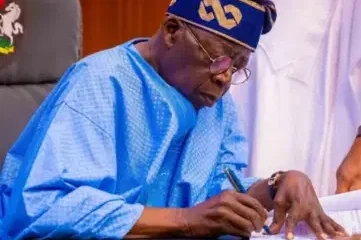
Since 2023, when President Bola Tinubu’s administration took over, the external debt has risen from US$45.2bn to US$51.9bn in early 2026. This is a net increase of about US$9.4bn. This is very large when translated to naira. Actually, the country’s public debt has continued to rise significantly due to newly contracted loans, currency depreciation, and securitization of previous central bank advances. The administration completely paid off a US$3.4bn IMF loan in early 2025, with the possibility of getting IMF support in contracting more loans from private lenders, which normally seek support from the IMF in fulfilling debt requests. The Buhari administration, at one point, could not borrow from private sources because of IMF indebtedness.
The recent and continuous growth in debt these days is mainly to finance annual budgets and infrastructure. Emerging information on budget implementation shows that the concentration is on recurrent expenditure, with the capital budget in limbo. That implies a large proportion of the borrowing goes into consumption and debt servicing. The capital aspect of the budget, which is linked to economic development due to its multiplier effects, could not be implemented, thus stalling development. Data from the DMO states that Nigeria’s total public debt is over US$120bn or N159tn, with a massive portion devoted to debt servicing. This is the danger that the government is not looking at when seeking more loans to roll over existing ones. A characteristic of a debt trap.
It is time this government realised that we are in a debt trap and the need to overcome it is imperative. Overcoming a debt trap requires fiscal discipline, debt restructuring, income generation, growth-oriented reforms with employment of human and non-human resources at its core. Economic expansion must outpace debt servicing obligations. There are ten documented rules for managing public debt which our government must try to know and abide by: they should know how much debt is too much; know how to borrow; know when to borrow; how to optimize borrowing; know infrastructure borrowing; disclose contingent liabilities; uphold disclosure standards; establish a proper legal framework; set up impeccable structures and operations of debt institutions; and establish fiscal insurance.
There is always controversy about the quantum or volume of our debt or indebtedness. We need proper auditing of our debts and to start winding down, not accumulating, debt. To get out of the debt trap, we must take deliberate action. We cannot keep borrowing in the hope of escaping the debt cycle. There is no need to accumulate reserves and contract loans. The government can use part of its external reserves to offset debts with varying interest rates, as it did with the IMF loan payment. Without a deliberate exit from the debt trap, politicians’ promises of a better tomorrow will remain promises in the next decade.
•Written By Prof. Sheriffdeen Tella
-

 News9 hours ago
Disclose details of ₦50,000 relief payments, beneficiaries, safeguards – SERAP tells FG
-
 World News9 hours ago
UK lists 4 conditions migrants must meet to qualify for permanent residency
-
Politics9 hours ago
Debate: ‘Agbero interests holding back Lagos public transport’ – NDC’s Doherty
-
Politics9 hours ago
NDC slams APC over ‘recycled’ promises on Ibom Deep Sea Port
-
Politics9 hours ago
You weakened Naira, stop claiming credit for recovery – Makinde campaign tells Tinubu
-
Metro9 hours ago
Tears, fear as kidnappers invade Enugu community, abduct mother, 3 sons
-
African News9 hours ago
ANC suffers worst-ever election result in South Africa
-
Politics9 hours ago
2027: Nigeria needs reset, not reforms — Makinde