Business
Power generation drops to 3,180MW as DisCos ration supply

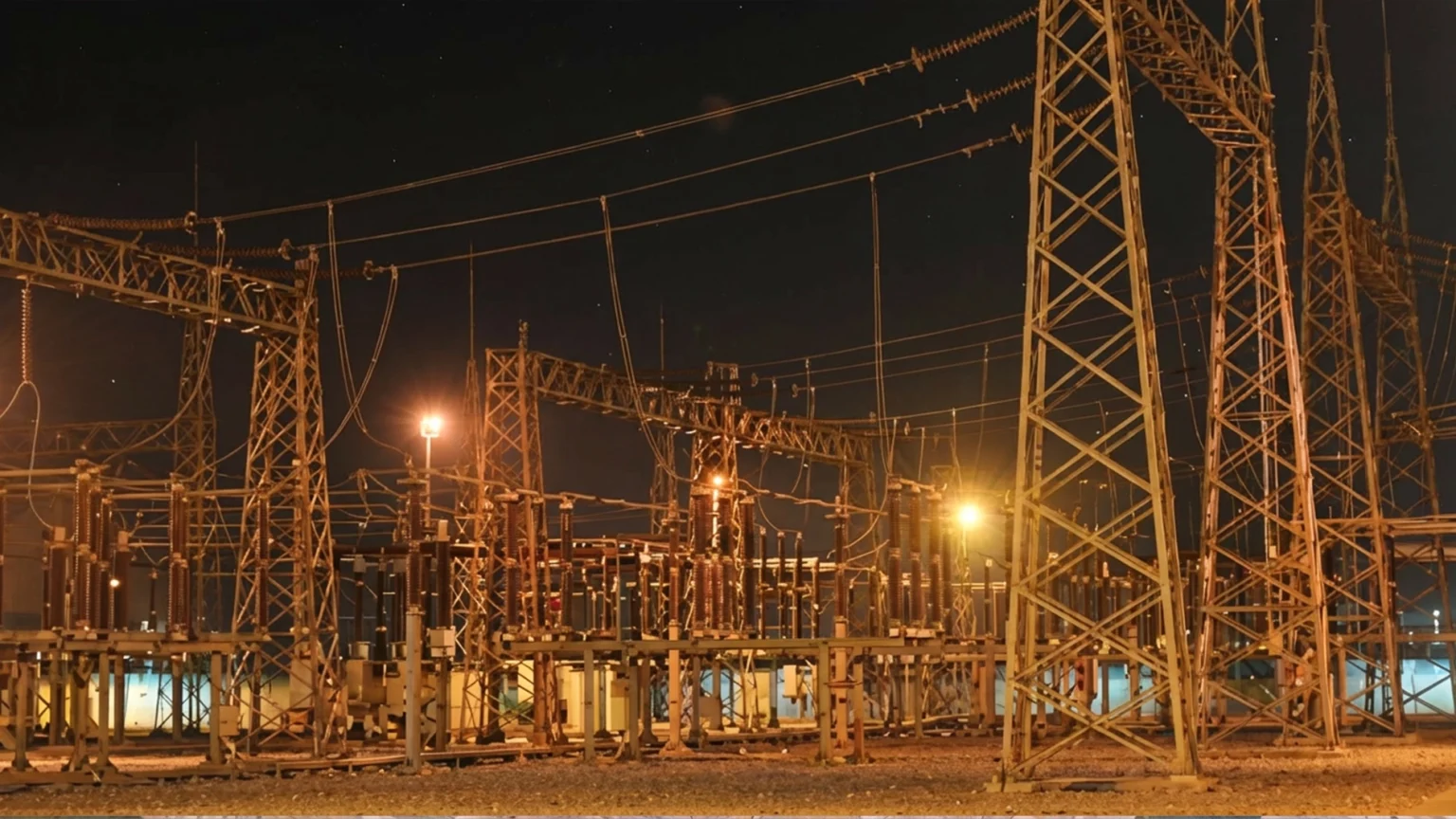
Electricity generation on Nigeria’s national grid has plunged to about 3,180 megawatts (MW), leaving distribution companies with a combined allocation of 2,885MW and raising fresh concerns about worsening power supply nationwide.
Checks by The Guardian showed that generation, which stood at 3,743MW around midnight yesterday, declined marginally to 3,732MW by 2 a.m., then dropped sharply to 3,179MW by 6 a.m.
As of 6 p.m., generation had recovered marginally to 3,180MW, indicating that output remained significantly below the level recorded during the early hours.
The figures came as about 21 electricity generation companies were operating on the national grid, highlighting the persistent constraints confronting the country’s power generation and distribution chain.

Data from the Distribution Load Profile published by the Nigerian Independent System Operator (NISO) on November 18, 2026, at 6:28 p.m. showed that the 11 distribution companies received a combined allocation of 2,885MW.
Abuja Electricity Distribution Company (AEDC) received the highest allocation of 551MW, followed by Ikeja with 366MW, Ibadan with 340MW and Eko with 339MW.
Port Harcourt received 279MW, Benin 230MW, Enugu 220MW, Kano 173MW, Kaduna 167MW and Jos 146MW, while Yola received the lowest allocation of 74MW.
The generation challenges come amid concerns by power sector stakeholders over inadequate water reserves for hydroelectric plants, gas supply constraints, transmission infrastructure failures and regulatory penalties imposed on generation companies.
While NISO had recently blamed the development on gas, a source at a generation company told The Guardian that the system operator could not claim ignorance of the challenges confronting the generation segment, arguing that issues affecting output had been discussed at a stakeholder meeting involving NISO, the Nigerian Electricity Regulatory Commission (NERC) and Generation Companies (GenCos).
Meanwhile, the House of Representatives Ad-hoc Committee on Power Sector Reform will present its report to the Green Chamber next Wednesday, paving the way for further legislative action on electricity tariffs and other challenges in the power sector.
Two members of the committee disclosed this during yesterday’s plenary while lawmakers debated a motion seeking an investigation into the Nigerian Electricity Regulatory Commission’s (NERC) Service-Based Tariff System and the classification of electricity consumers into Bands A to E.
The motion, sponsored by Aluko Yinka, raised concerns over alleged discriminatory electricity supply practices and the failure of distribution companies to meet promised service levels.
One of the committee members, David Agada, told the House that the panel had concluded extensive consultations with relevant regulatory agencies, electricity distribution companies (DisCos), generation companies (GenCos) and other stakeholders.
Agada said the committee also visited some states, including Lagos and Rivers, where it engaged with stakeholders and examined the challenges facing electricity consumers.(Guardian)
-

 Politics13 hours ago
2027: INEC dispatches 186,277 BVAS to states
-
News13 hours ago
Senate sends State Police Bill to Tinubu for assent
-
Metro12 hours ago
Eight-hour gridlock paralyses Lagos-Ibadan Expressway
-
Sports12 hours ago
FIFA Appoints Amokachi, Four Others To Manage Nigeria Football Federation
-
Politics13 hours ago
Tinubu Revises Campaign Schedule, Drops Bauchi, Adds More States
-
Metro13 hours ago
Kano TikToker Jailed For ‘Insulting’ Hisbah DG
-
Business12 hours ago
Chairman’s firm buys 9.125% of Seplat senior notes
-
News12 hours ago
US hails Nigerian military over rescue of 125 kidnap victims