News
My administration inherited energy sector rich in potential…. but constrained by inefficiencies – Tinubu

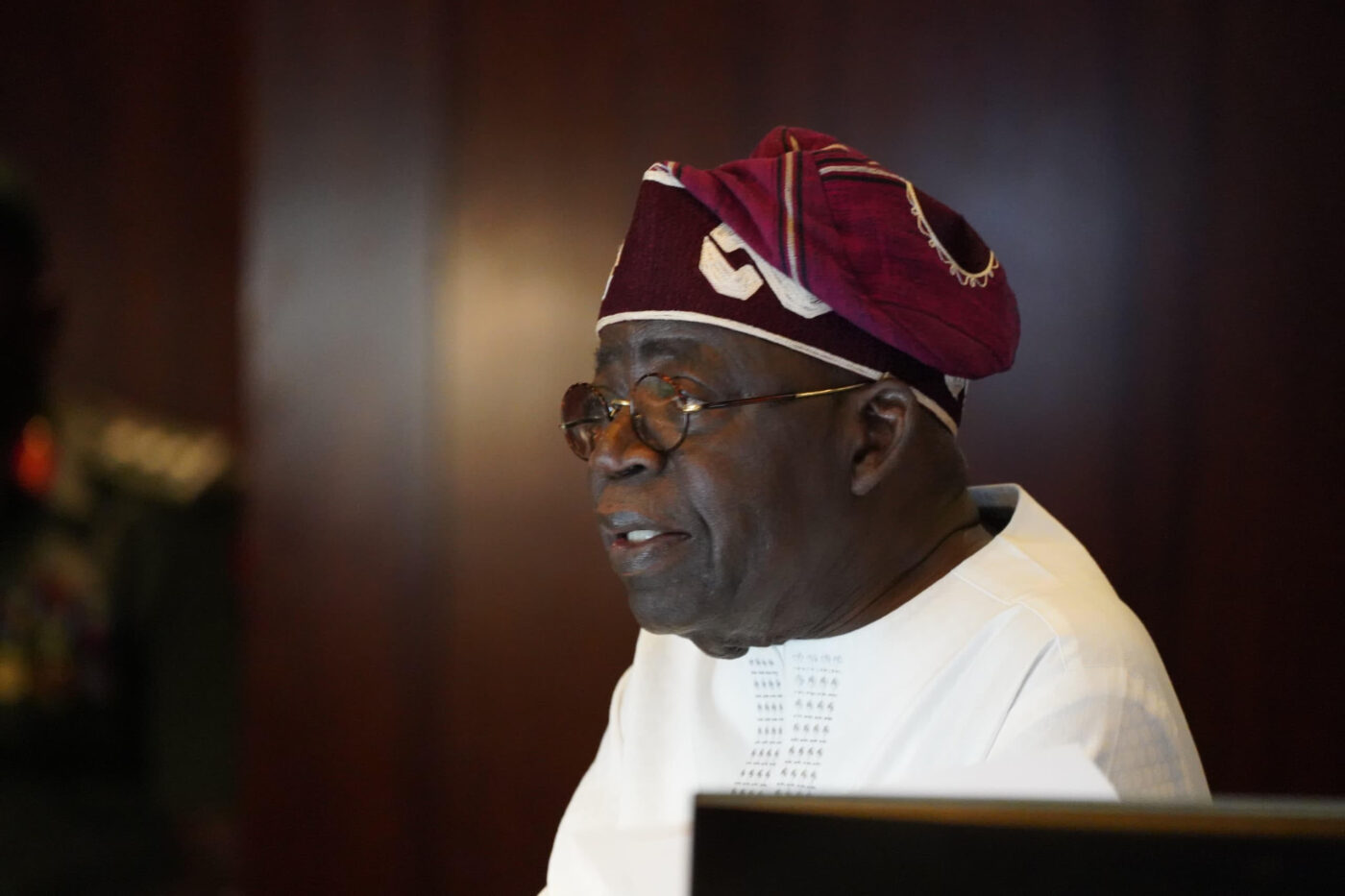
President Bola Tinubu says when his administration took office in May 2023, it inherited an energy sector hampered by inefficiencies, uncertainty, and years of underinvestment.
Tinubu spoke on Tuesday in Abuja during the opening ceremony of the Nigeria International Energy Summit (NIES).
“When this administration assumed the mantle of leadership in May 2023, we inherited an energy sector rich in potential, yet constrained by inefficiencies, uncertainty, and prolonged under-investment,” he said.
Represented by Vice-President Kashim Shettima, the president said his administration set to work with its pantheon, guided by the clear understanding that energy cannot be treated merely as an economic commodity.

“Energy is a catalyst for national security, industrial growth, social inclusion, and regional cooperation. We are therefore committed to building an energy system that delivers reliability, transparency, sustainability, and shared prosperity,” he said.
Furthermore, Tinubu also outlined key developments that have reshaped Nigeria’s oil and gas sector over the past two and a half years.
“This administration sustained and deepened the full implementation of the Petroleum Industry Act (PIA). We consolidated its role as a live wire of sector reform and strengthened regulatory institutions to ensure clarity of roles, transparency, and investor confidence,” he said.
“Nigeria introduced fully digital, transparent, and competitive licensing rounds in the upstream sector, widely regarded as among the most credible bidding processes in our history. In furtherance of this objective, we approved the commencement of the 2025 licensing round, creating new investment windows, and enabling additional crude oil and gas production capacity.
“Under our watch, Nigeria’s upstream activity recorded a historic rebound. Rig counts rose from 8 rigs in 2021 to 69 rigs by late 2025, reflecting renewed exploration and brilliant momentum.”
The president added that the sector secured final investment decisions totalling over $8 billion, including major offshore gas developments involving global energy companies.
Tinubu said foreign direct investment into the oil and gas subsector has rebounded strongly, driven by regulatory certainty, fiscal reforms, and improved operating guidelines and conditions.
“We also introduced a broad executive order on oil and gas investment, enabling us to unlock up to $10 billion in capital inflows, streamline project approvals, reduce bureaucratic delays, and position Nigeria as a prepared investment destination,” he said.
“In 2025, we introduced the Upstream Petroleum Operations Cost Efficiency Incentives Order, providing tax credits of up to 20 percent to promote cost efficiency, enhance competitiveness, and deepen Nigerian participation.
“As a direct result of the reforms we introduced, Nigeria’s average crude oil production improved to approximately 1.6 million barrels per day.”
Recognising gas as Nigeria’s strategic transition point, Tinubu said his administration “intensified investments across the gas value chain”.
“Domestic gas supply exceeded 2 billion cubic feet per day for the first time, strengthening power generation, industrial utilisation, and energy access,” he said.
“Export volumes increased alongside sustained expansion of gas processing and transportation infrastructure, reimposing Nigeria’s role in regional and global gas markets.
“Nigeria’s refining landscape entered a new era with the commencement of full operations at the Dangote Petroleum Refinery, significantly enhancing domestic supply of refined petroleum products.”
TINUBU: CRUDE OIL THEFT DECLINED SIGNIFICANTLY
Tinubu said crude oil theft — once a major constraint on production and revenue — declined significantly over enhanced security coordination, surveillance, and regulatory enforcement.
“These efforts restored operational stability and improved Nigeria’s production reliability in international markets,” he said.
“This administration also made deliberate leadership appointments across key regulatory and development institutions, including governing councils and boards responsible for Nigerian content, regulatory oversight, and sector development.
“These appointments reinforced professionalism, accountability, and institutional effectiveness. Early reforms, most notably oil subsidy removal and foreign exchange liberalisation, repositioned the sector’s economics, improved market efficiency, and enhanced long-term investment attractiveness.”
Tinubu said energy must unite communities, stabilise economies, and secure the future.
He added that energy should drive industry, light up homes, foster innovation, and strengthen trust between government, investors, and citizens.
According to the president, Nigeria is ready to work with Africa, global partners, and the private sector to deliver energy that is secure, affordable, cleaner, and inclusive. (The Cable)
-

 Business21 hours ago
Three years after devaluation, corporate profits have bounced back in Dollar terms
-
Business21 hours ago
FCMB Group Reports ₦202.1 Billion Profit Before Tax for 2025, ₦87.0 Billion in Q1 2026
-
Metro13 hours ago
Inside Story Of Househelps From ‘Hell’
-
 Business21 hours ago
From Lagos to New York: Inside Segun Agbaje’s N8.5bn multi-currency stock portfolio
-
News8 hours ago
Why 75-year-old pilot flew aircraft that landed on Delta road — NCAA
-
Politics13 hours ago
2027: Battle For Running Mates Intensifies
-
News13 hours ago
Dislodged terrorists migrate to S’East, S’South
-
Business22 hours ago
VAT collections hit N2.42 trillion in Q1 2026, up 17% year-on-year