News
Presidency says El-Rufai’s ‘Thallium Letter’ meant to divert attention from Kaduna corruption allegations

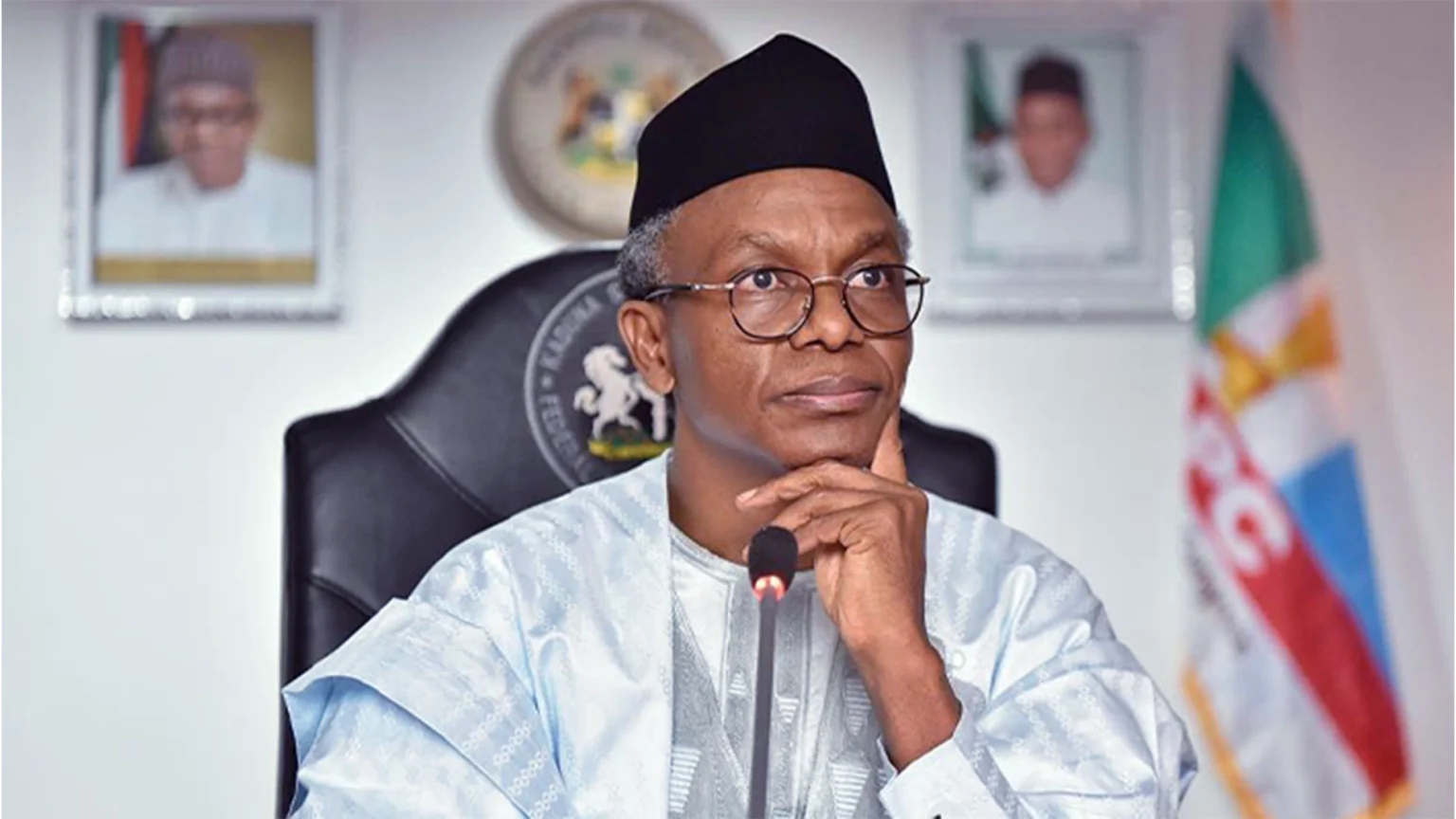
The Presidency on Sunday dismissed former Kaduna State Governor, Mallam Nasir El-Rufai’s recent correspondence to the National Security Adviser (NSA) on the alleged procurement of Thallium Sulphate as a calculated attempt to stir political tension and divert attention from corruption allegations levelled against him in Kaduna State.
Specifically, it referenced the Kaduna State House of Assembly’s reported unanimous endorsement of a petition to the Independent Corrupt Practices and Other Related Offences Commission (ICPC) and the Economic and Financial Crimes Commission (EFCC) seeking an investigation into alleged financial improprieties amounting to N432 billion during his tenure.
The anti-graft agencies, it added, had since invited the former governor for questioning.
Reacting to El-Rufai’s inquiry letter to the NSA, Mallam Nuhu Ribadu, the Presidency said the former governor was spreading misinformation capable of generating fear and unrest, while seeking to cast himself as a victim of persecution.

In a post on his verified X handle, @TheTope_Ajayi, the Senior Special Assistant to the President on Media and Publicity, Mr Temitope Ajayi, maintained that there was no government procurement or importation of Thallium Sulphate into Nigeria through the Office of the National Security Adviser.
Ajayi further alleged that El-Rufai had already received an official response from the NSA’s office but deliberately withheld it from the public.
“Mallam El-Rufai certainly got a reply to his letter from the NSA’s office and he should be honourable enough to release it just as he mischievously released his own letter,” the statement read.
According to the Presidency, the former governor’s actions were driven by two principal motives, to create political instability through what it described as deliberate misinformation, and to shift public focus from the corruption allegations he faces in Kaduna State.
The statement argued that El-Rufai was attempting to “nationalise his personal challenges” with the Kaduna State Government, insisting that the controversy was neither about President Bola Tinubu nor the National Security Adviser, but about the former governor’s waning political influence in the state after eight years in office.
Questioning his political standing, the Presidency claimed El-Rufai had lost the support of key stakeholders in Kaduna, including political allies, and had fallen out with his successor, Governor Uba Sani, whom he previously backed.
The Presidency urged El-Rufai to desist from what it described as political theatrics and instead address the allegations against him through appropriate legal and institutional channels. (Guardian)
-

 News23 hours ago
No reprisal for journalists who criticise me — Tinubu
-
Entertainment24 hours ago
Sean ‘Diddy’ Combs to leave prison sooner than expected
-
 Politics23 hours ago
Uber Exit: Nigeria now ‘graveyard of businesses’ — ADC
-
News24 hours ago
ICPC sacks security officer over unauthorised access granted El-Rufai’s wife
-
Sports23 hours ago
Martinelli joins Al Hilal for £60m, becomes Arsenal’s record sale
-
Sports24 hours ago
FIFA blasts UEFA ‘smear campaign,’ fights World Cup plan disclosures
-
Business24 hours ago
GDP growth data masking deep industrial, security crises — MAN
-
Business23 hours ago
Consumers pay N1.2trn for electricity in six months — NERC