Politics
Electoral Act: I Had No Option But To Sign — Tinubu

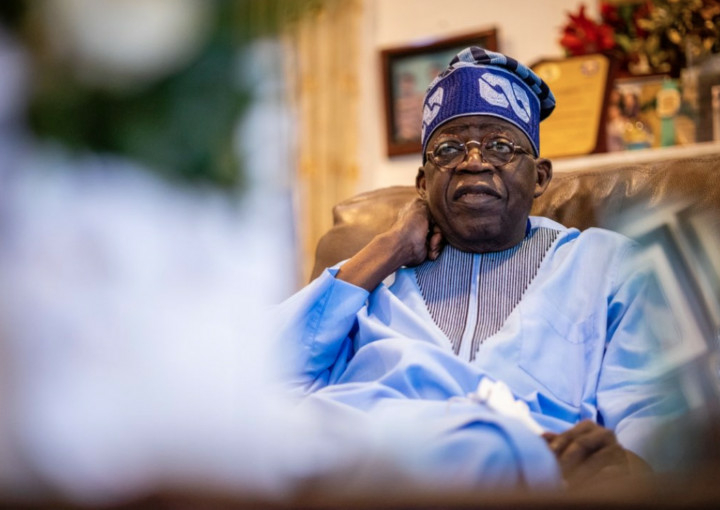
President Bola Tinubu on Wednesday defended his decision to sign the Electoral Act 2026 into law, declaring that he had “no option” but to assent to the legislation after it was passed with an overwhelming majority by the National Assembly.
The President said his decision was guided by his commitment to democracy and the rule of law, urging politicians across the country to respect democratic principles and avoid actions that could destabilise the political system.
Tinubu spoke at an interfaith breakfast hosted for leaders of the All Progressives Congress (APC) National Working Committee (NWC), state executives and members of the Inter-Party Advisory Council (IPAC) at the presidential Villa, Abuja.
Responding to concerns raised by IPAC over some provisions of the amended Electoral Act, the President said the constitution and democratic principles required him to respect the decision of the legislature.

“That I signed the Electoral Act, I have no choice. I don’t want to throw the country into turmoil of argument,” Tinubu said.
According to him, the law was passed with an overwhelming majority by the National Assembly, leaving him with little room to reject it.
“If I have serious question or reservation about it, I would have raised it. But I have none. I submitted myself to the principle of rule of law and democracy. I signed, the rest is history. We’ll meet at the polls,” he said.
The President emphasised that the rule of law must prevail in any democracy, noting that majority decisions must be respected while minority voices still retain the right to express their views.
“The rule of law must prevail in any democracy. Majority will have their say and their way, and minority will have their say and might not have their way. That is the sweetness, the essence of democracy,” Tinubu said.
He urged political actors to engage one another through intellectual debate rather than confrontation, stressing that democratic competition must remain peaceful.
“Argue it, debate it intellectually, interrogate each other honestly and sincerely, but we are committed to the same thing — peace and stability of the country,” he said.
Tinubu also reiterated his democratic credentials, describing himself as a “die-hard democrat” who had paid his dues in the struggle for democracy in Nigeria.
The President recalled that he and other pro-democracy activists endured detention, protests and exile during the military era and played key roles in the formation of the National Democratic Coalition (NADECO) in the fight to restore democratic rule.
“We are all democrats and we subscribed to this democracy voluntarily and willingly. Some of us have the bruises from it — detention, protests, exile. We formed NADECO. We got here,” he said.
Tinubu added that democracy must remain voluntary and that politicians should remain committed to their political platforms without threats or intimidation.
Earlier, the national chairman of the Inter-Party Advisory Council, Yusuf Dantalle, commended the President for what he described as his inclusive leadership but raised concerns over some provisions of the Electoral Act.
Dantalle appealed for reconsideration of certain aspects of the law, including the requirement for political parties to submit digital membership registers with National Identification Numbers (NIN) 21 days before primaries, the abolition of indirect primaries, and the withdrawal of government subventions to political parties.
He argued that the provisions could pose challenges for smaller parties with limited resources and could disenfranchise many voters.
Dantalle also appealed to the federal government to assist IPAC in relocating from its current rented office accommodation.
In his closing remarks, Tinubu acknowledged that political competition could be tough but insisted that all actors must operate within democratic boundaries.
“The game is sweet only when you are winning. But we must accommodate one another, strengthen the platform and remain committed to peace, stability and the rule of law,” the President said.
-

 News23 hours ago
Lakurawa terrorists kill four soldiers in Sokoto
-
Politics24 hours ago
Osun poll: APC, Accord wage N20,000-per-vote war
-
World News24 hours ago
Ex-Cambridge professor accused of plagiarism found dead
-
Sports23 hours ago
Gala reject £111m, insist Osimhen not for sale
-
Politics23 hours ago
Atiku, Obi, others’ summit shifted to August 31
-
Metro23 hours ago
Family, friends celebrate Wigwe
-
Metro23 hours ago
Man Allegedly Beheads Woman In Adamawa Hotel
-
News24 hours ago
Helpless! Borno families sell houses to pay ransom