World News
Middle-East Crisis: Poland Evacuates Troops From Iraq, Rules Out Involvement In US-Iran-Israeli War

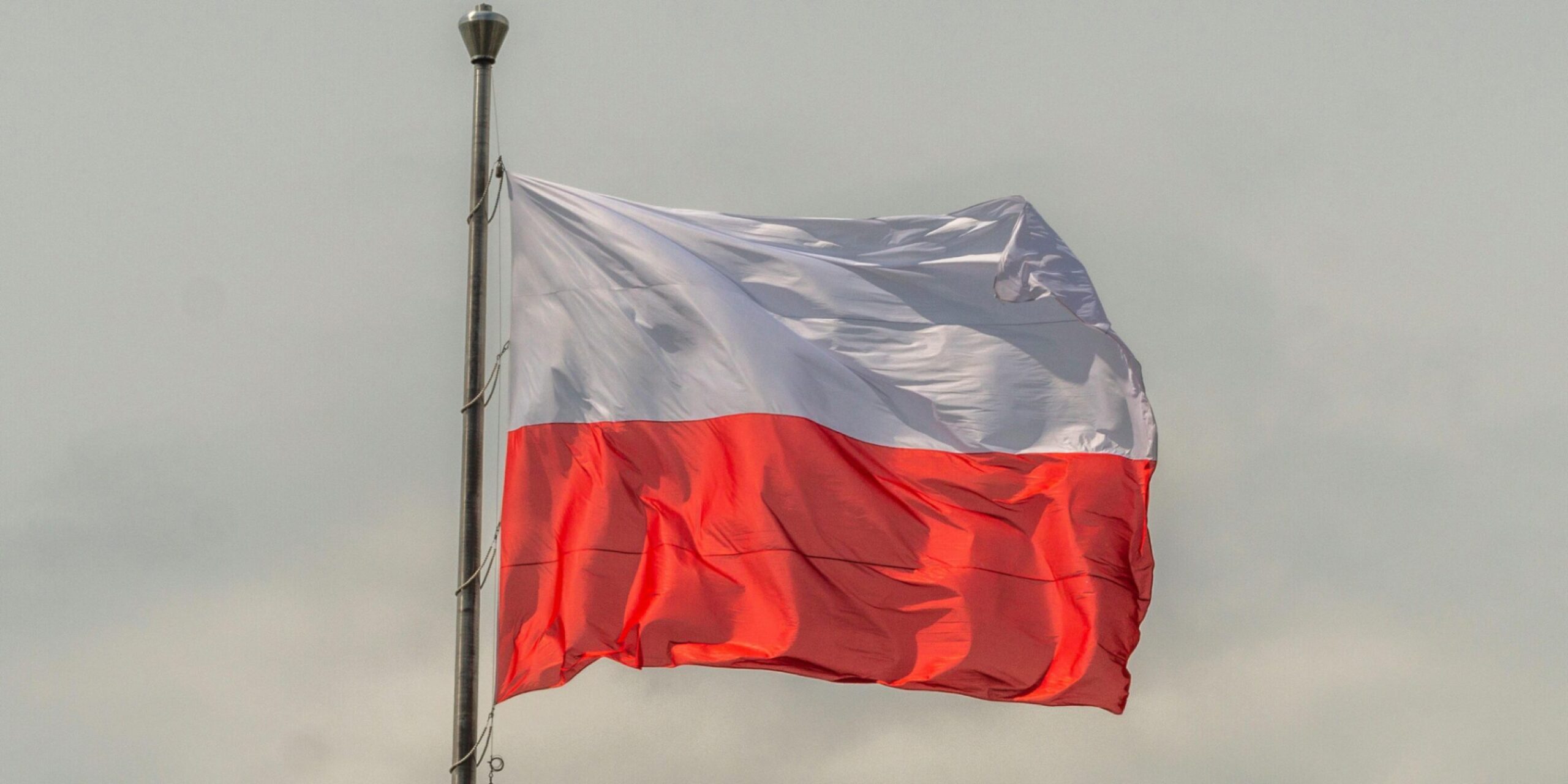
Poland has withdrawn its military personnel from Iraq as tensions escalate across the Middle East, with authorities citing growing security concerns in the region.
Defence Minister Wladyslaw Kosiniak-Kamysz confirmed the development, stating that the decision followed a review of risks facing Polish forces stationed in Iraq, Al-Jazeera reports.
“Due to the deteriorating security situation in the Middle East region, following an analysis of operational conditions and potential threats, a decision was made to relocate the Polish Military Contingent from Iraq,” Kosiniak-Kamysz wrote in a post on social media.
He added that the withdrawal was conducted in collaboration with allied forces to ensure safety and coordination throughout the process.

“The entire process was carried out in coordination with our allies from NATO.”
Prime Minister Donald Tusk also addressed the situation, making it clear that Poland would not take part in the ongoing conflict involving the United States and Israel against Iran.
According to Tusk, the war does not pose a direct threat to Poland’s national security, and therefore does not warrant military involvement.
Polish authorities maintained that their decision was based strictly on national interest and strategic assessment of the evolving regional crisis.
Although Poland is not directly involved in the conflict, officials disclosed that they had prior knowledge of planned military actions through allied communication networks.
The withdrawal marks a significant shift in Poland’s military posture in the Middle East as the situation continues to develop.
Meanwhile, tensions between the United States, Israel and Iran have developed over several years, rooted in disputes over Iran’s nuclear programme, regional influence and security concerns raised by Western and Israeli authorities.
The situation escalated in 2026 following a series of military strikes carried out by US and Israeli forces on Iranian-linked targets, marking a shift from indirect confrontation to more direct engagement.
US and Israeli officials have maintained that such actions are intended to limit Iran’s military capabilities and prevent threats to their national security interests.
Iran has rejected these claims, describing the strikes as violations of its sovereignty, and has carried out retaliatory actions, contributing to the current cycle of escalation.
The developments have increased tensions across the wider Middle East, particularly in areas where Iranian-backed groups operate and where US or allied forces are stationed.
Iraq remains significant in this context, as it hosts foreign military personnel and has previously experienced spillover effects from regional confrontations.
Countries involved in multinational missions in Iraq have reassessed their military presence due to concerns over the safety of their personnel.
The North Atlantic Treaty Organisation (NATO) continues to provide a framework for coordination among member states, although decisions on troop deployments are taken at national level.
-

 Metro15 hours ago
Nigerian Woman Declared Missing Found Alive In Qatar
-
Politics15 hours ago
2027: If Elected, I’ll Crash Petrol Price To N200 Per Litre – Adebayo
-
News15 hours ago
15 Katsina villages deserted as bandits step up attacks
-
News15 hours ago
Falana, SERAP demand probe into N33.75bn cash transfer
-
News15 hours ago
Military pay review: Generals’ pensionable salary rises to N2.5m monthly
-
Metro16 hours ago
Don’t Pray For Your Wife To Feed You – Pete Edochie Tells Men
-
African News15 hours ago
Ex-Sierra Leone president Koroma leaves Nigeria after treason charges dropped
-
Opinion15 hours ago
Atiku, Tinubu, subsidy removal and Azu Ishiekwene’s devilnomics