World News
Middle-East War: US Is Negotiating With Itself, Says Iranian Military Spokesperson

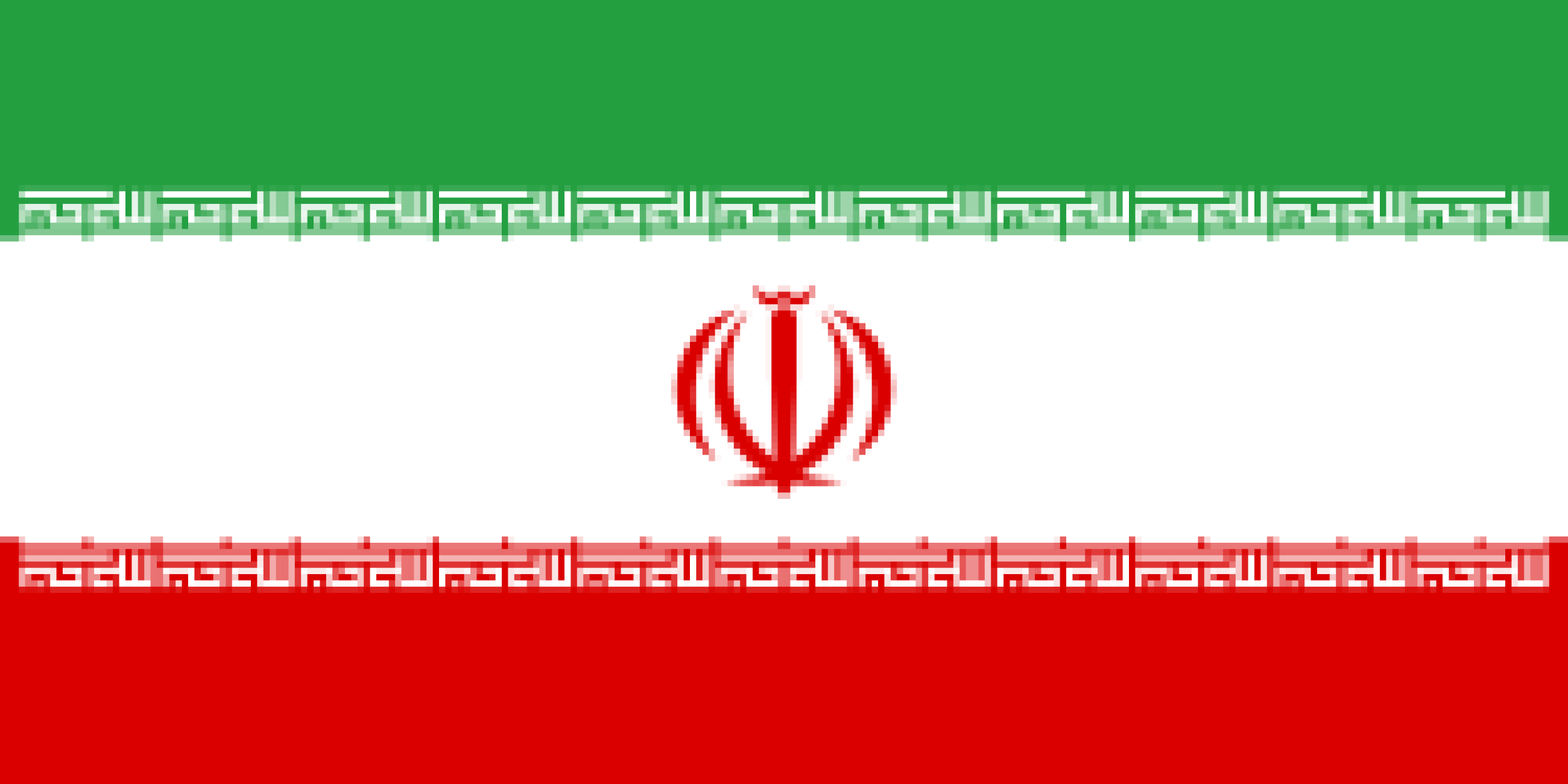
The United States is negotiating with itself, an Iranian military spokesman said according to state media on Wednesday, a day after US President Donald Trump said Tehran wants to make a deal to end the war in the Middle East.
A 15-point plan aimed at putting an end to the conflict was drafted by Washington and sent to Tehran, a person familiar with the matter told Reuters on Tuesday.
“Has the level of your inner struggle reached the stage of you negotiating with yourself?” Ebrahim Zolfaqari, spokesperson for the unified command of Iran’s armed forces, Khatam al-Anbiya Central Headquarters, taunted the U.S. leadership.
“People like us can never get along with people like you.”
Zolfaqari said U.S. investments and pre-war energy prices would not return as long as Washington does not accept that regional stability is guaranteed by Iranian armed forces.

Trump had claimed that the United States was “talking to the right people” in Iran and suggested that Tehran was eager for an agreement, adding that discussions were underway on a broader plan to halt hostilities.
He had also described recent exchanges as productive, saying there had been “very good” or “strong” talks about a comprehensive resolution to the conflict, which has entered its fourth week following a US-Israeli offensive launched on February 28.
However, Iranian officials rejected those assertions, insisting that no direct negotiations were taking place and characterising U.S. claims of talks as misleading.
The conflicting narratives underscore the deep divide between the two sides, despite increasing international efforts to broker a ceasefire.
According to U.S. officials, Washington is exploring a framework that could bring an end to the conflict, with key figures in Trump’s administration involved in backchannel diplomacy.
Countries including Pakistan, Turkey and Egypt have been cited as potential intermediaries, with Islamabad floated as a possible venue for talks.
Trump has framed the situation as an opportunity to translate military gains into a negotiated settlement that would secure U.S. and allied strategic objectives.
Yet Iran has hardened its stance, saying it would only consider talks if major conditions are met, including an end to attacks, guarantees against future strikes and compensation for damages.
Tehran has also ruled out restrictions on its missile program, a key U.S. demand.
Despite Trump’s optimism, hostilities have not subsided. Iranian missile barrages and continued U.S. and Israeli airstrikes have kept the conflict active across multiple fronts.
The United States has continued to build up its military presence in the region, with thousands of additional troops expected to deploy even as diplomatic efforts proceed.
The war has already involved thousands of airstrikes and significant casualties, while also disrupting global energy markets, particularly through tensions around the Strait of Hormuz.
-

 Politics8 hours ago
Presidential Campaign Council: We don’t need your validation – OK Movement replies NDC
-
News14 hours ago
Tinubu Confirms Absence From UNGA, Asks Shettima To Lead Nigeria’s Delegation
-
Metro8 hours ago
My wife miraculously woke up after six months in coma – Akpabio
-
News8 hours ago
Former Kogi governor Ibrahim Idris dies at 77
-
Politics8 hours ago
2027: Remo group warns sons against breaking Ogun zoning pact
-
Politics8 hours ago
2027: I’ll Never Spend Holidays Abroad If Elected – Obi
-
Sports8 hours ago
Haaland Makes EPL Record As Manchester City Overcome Sunderland In 8-Goal Thriller
-
News8 hours ago
Niger govt unaware of miners’ arrest before deaths in NSCDC custody — Bago