News
‘Boko Haram Terrorists Not Our Sons Or Brothers’, ADC Berates Tinubu’s Defence Chief Oluyede Over ‘Repentance’ Comment, Demands Hardline Security Plan

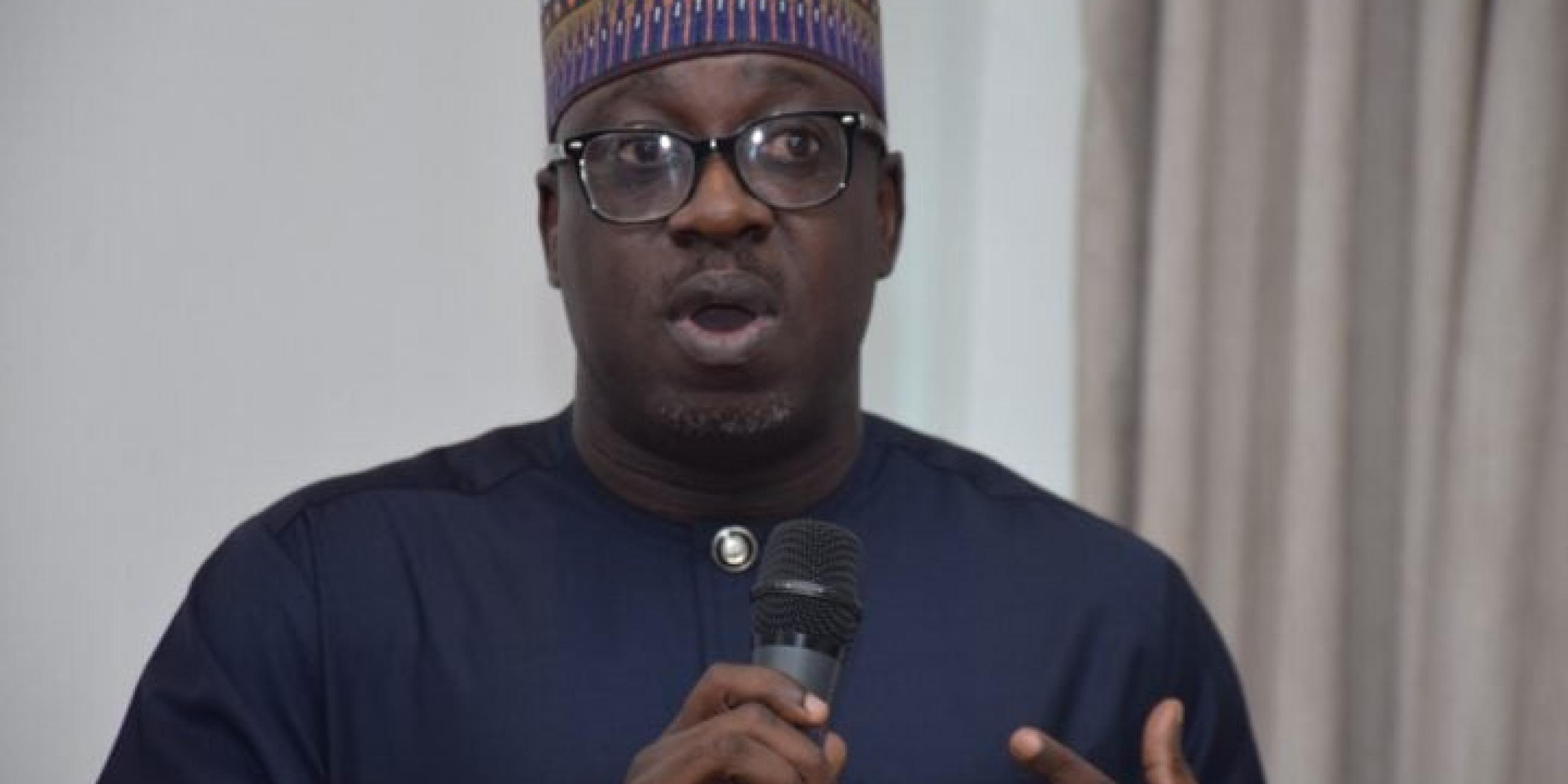
The African Democratic Congress (ADC) has criticised Nigeria’s Chief of Defence Staff, Olufemi Oluyede, over his controversial remarks advocating rehabilitation for terrorists, warning that such rhetoric reflects a “dangerous mindset” that undermines the fight against insecurity.
In a strongly worded statement, the party’s spokesperson, Bolaji Abdullahi, accused top security officials of normalising criminality by referring to terrorists in familial terms.
“First, the NSA referred to terrorists as his brothers. Now, the Chief of Defence Staff is referring to terrorists as sons,” Abdullahi said.
“These rhetorics reflect a dangerous mindset that accommodates and tolerates criminality instead of confronting it.”

The criticism follows comments by Oluyede during an inaugural lecture at the Nigerian Army Conference Centre in Abuja, where he defended the military’s deradicalisation programme, Operation Safe Corridor.
Addressing widespread concerns over the initiative, Oluyede argued that not all insurgents should be killed, insisting that some should be given the opportunity to repent and reintegrate into society.
“Talking about Operation Safe Corridor, so many people have asked that question: why do we need to rehabilitate criminals? They all should be killed because they have killed people. Well, that may make sense,” he said.
Drawing a religious analogy, the defence chief likened the approach to the biblical prodigal son, suggesting that providing a pathway for repentance could encourage insurgents to abandon violence.
“But even in the Bible, we heard about the prodigal son. If there was not that window for the man to come back, would they have come back?” Oluyede had asked.
He had maintained that many insurgents are Nigerians who should not be pushed further into extremism.
“So the point is that these are Nigerians, mostly. And it’s important for us to give them that window to repent, if they want, rather than pushing them to the extreme,” he added.
However, the ADC rejected this approach, arguing that such framing weakens the moral clarity required to combat terrorism effectively.
“When a government begins to frame terrorists in familial terms, it blurs the moral and legal lines that must remain clear in any serious security response,” Abdullahi said.
“With this mindset, it is easy to understand why the current approach has struggled to protect lives and decisively end the killings.”
The party insisted that under an ADC-led government, there would be no ambiguity in dealing with violent groups.
“A terrorist will neither be a son nor a brother. They are the enemy and will be treated as such,” he stated.
Abdullahi further outlined the party’s proposed counter-terrorism strategy, which includes the establishment of special terrorism courts to ensure swift prosecution of suspects.
He said the framework would rest on four pillars: local-level intelligence gathering, state-level prevention and deterrence, national coordination and enforcement, and regional collaboration across neighbouring countries.
“Like in all other things, ADC will put citizens first. We will not cuddle terrorists. The message will be clear: there will be severe consequences for killing a Nigerian,” he added.
The exchange comes amid ongoing insecurity in parts of northern Nigeria, particularly in the North-East, where insurgent groups such as Boko Haram continue to carry out attacks, abductions and killings.
The insurgency, which began in 2009, has resulted in widespread devastation. According to estimates by the United Nations, more than 350,000 people have been killed, with children accounting for a significant proportion of the victims.
Recent attacks in Borno State reportedly left more than 20 people dead, while reports have also emerged of large ransom payments made to secure the release of abducted victims in other parts of the country.
Despite the military’s insistence on a mix of force and rehabilitation, the ADC maintained that a tougher stance is required to restore security and public confidence.
-

 Metro17 hours ago
Man threatens to release Kano governor’s nude videos, photographs
-
Sports18 hours ago
Harry Kane crowned 2026 Ballon d’Or winner
-
World News17 hours ago
Trump hits back at Obama over Saddam ‘Cheesecake Factory’ jab
-
News18 hours ago
OPHK troops destroy ISWAP enclaves in Lake Chad, kill 16 terrorists
-
Business17 hours ago
Microsoft offers voluntary exit packages to 60,000 staff
-
Politics17 hours ago
‘He was trained in sanitation’ — Shettima says Atiku can’t govern modern economy
-
Politics17 hours ago
2027 Elections: 103m voters, 35m votes and the 68% who may decide the Presidency
-
Politics17 hours ago
FACT CHECK: How Tinubu’s Image On Bread Was Edited To Depict Obi