Opinion
More money, more debt: What exactly are states borrowing for?

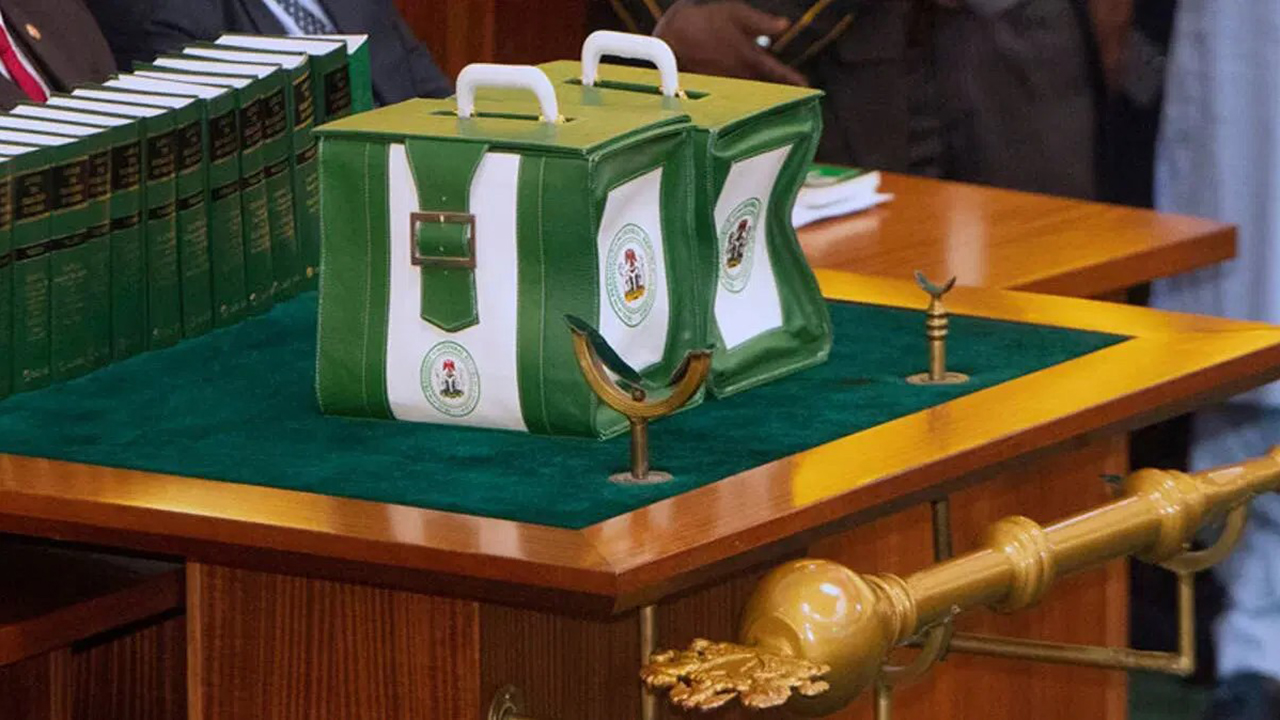
At a time when allocations from the Federation Account Allocation Committee (FAAC) have risen significantly following the removal of fuel subsidies, Nigerian states are returning, almost aggressively, to the debt markets. Domestic borrowing has surged, crossing the ₦4 trillion mark in recent data from fiscal authorities. The contradiction is striking:
If more money is coming in, why is more money still being borrowed?
This question goes beyond rhetoric. It cuts to the core of how public resources are managed and whether current fiscal choices are laying the foundation for growth or quietly storing up future risk.
On the surface, the increase in FAAC allocations should ease pressure on state finances. Higher revenues typically reduce the need for borrowing, especially for routine expenditures. The pattern across many states suggests that increased inflows have not translated into reduced reliance on debt.

One explanation is that the issue is not simply revenue but structure. A significant portion of FAAC allocations continues to be absorbed by recurrent expenditure: salaries, administrative costs, and political overheads. In such a scenario, borrowing becomes the default mechanism for funding capital projects.
“As states increase their demand for funds, they contribute to upward pressure on lending rates, making credit more expensive for businesses.”
Used strategically, this approach is not inherently flawed. Governments around the world borrow to finance infrastructure and long-term investments. The critical distinction, however, lies in outcomes.
Are these borrowings translating into visible, measurable improvements in economic productivity and public welfare?
In some states, there is evidence of progress: roads expanded, urban infrastructure improved, and investments in transport and housing. But in many others, the link between borrowing and development outcomes remains unclear. Projects are delayed, incomplete, or insufficiently impactful to justify their cost.
This inconsistency raises a deeper concern: Is borrowing being driven by strategy or by necessity?
The cost of borrowing further complicates the picture. Domestic debt, often raised through commercial banks and local instruments, comes with relatively high interest rates. As states increase their demand for funds, they contribute to upward pressure on lending rates, making credit more expensive for businesses.
The effect is subtle but significant. Small and medium-sized enterprises, critical drivers of employment and growth, find it harder to access affordable financing. In this way, public sector borrowing can inadvertently constrain private sector expansion.
Are states financing today’s needs at the expense of tomorrow’s growth?
Debt is not abstract. It is a future obligation carried by taxpayers. Without clear communication and measurable outcomes, borrowing risks become routine rather than strategic.
At the same time, it is important to acknowledge the structural realities states face. Many subnational governments operate with weak internally generated revenue (IGR) bases, leaving them heavily dependent on FAAC. Even with increased allocations, these revenues may not be sufficient to meet growing development needs, particularly in rapidly urbanising regions.
This points to a fundamental issue: The sustainability of state finances cannot rely on federal allocations alone.
Stronger domestic revenue mobilisation, through improved tax administration, broader tax bases, and more efficient collection systems, is essential. Without it, borrowing will remain a recurring feature rather than a deliberate choice.
There is also a need to rethink how borrowing itself is approached. Loans should be clearly tied to productive investments with defined timelines, transparent reporting, and measurable economic returns. This is not just good practice; it is essential for maintaining fiscal credibility.
Equally, oversight mechanisms, both institutional and civic, must be strengthened. State assemblies, audit bodies, and the public all have a role to play in ensuring that debt is used responsibly and effectively.
Nigeria is not alone in navigating these challenges.
Across emerging economies, subnational borrowing has become a key tool for financing development. The difference lies in execution: where borrowing is disciplined, transparent, and growth-oriented, it can accelerate progress. Where it is not, it can become a drag on future prosperity.
Ultimately, the issue is not that Nigerian states are borrowing. It is whether they are borrowing well.
If increased revenues are matched by increased debt without corresponding improvements in infrastructure, services, and economic opportunity, then the system is not working as intended.
More money should create more room for development, not more dependence on debt.
Until that balance is achieved, the question will persist and grow louder:
What exactly are states borrowing for?
-

 Politics23 hours ago
2027: ADC campaign accuses Kwankwaso of working for Tinubu
-
News23 hours ago
DSS arrests fleeing Maina’s son in Abuja
-
Politics22 hours ago
Buhari considered it distasteful for Osinbajo to contest against Tinubu – Babachir Lawal
-
Politics23 hours ago
2027: Tinubu afraid to face Nigerians – ADC
-
Politics19 hours ago
‘Tinubu Must Go’ Vs ‘Tinubu Must Stay’: Forces Behind Campaigns
-
Metro23 hours ago
Two Nigerians nabbed with cocaine in Thailand
-
 News23 hours ago
Tinubu approves lifetime pay for ex-immigration chiefs
-
News23 hours ago
Obi of Onitsha urges end to hunger, insecurity