African News
Xenophobia: South Africans Issue Fresh Threat To Nigerians, Ghanaians, Others

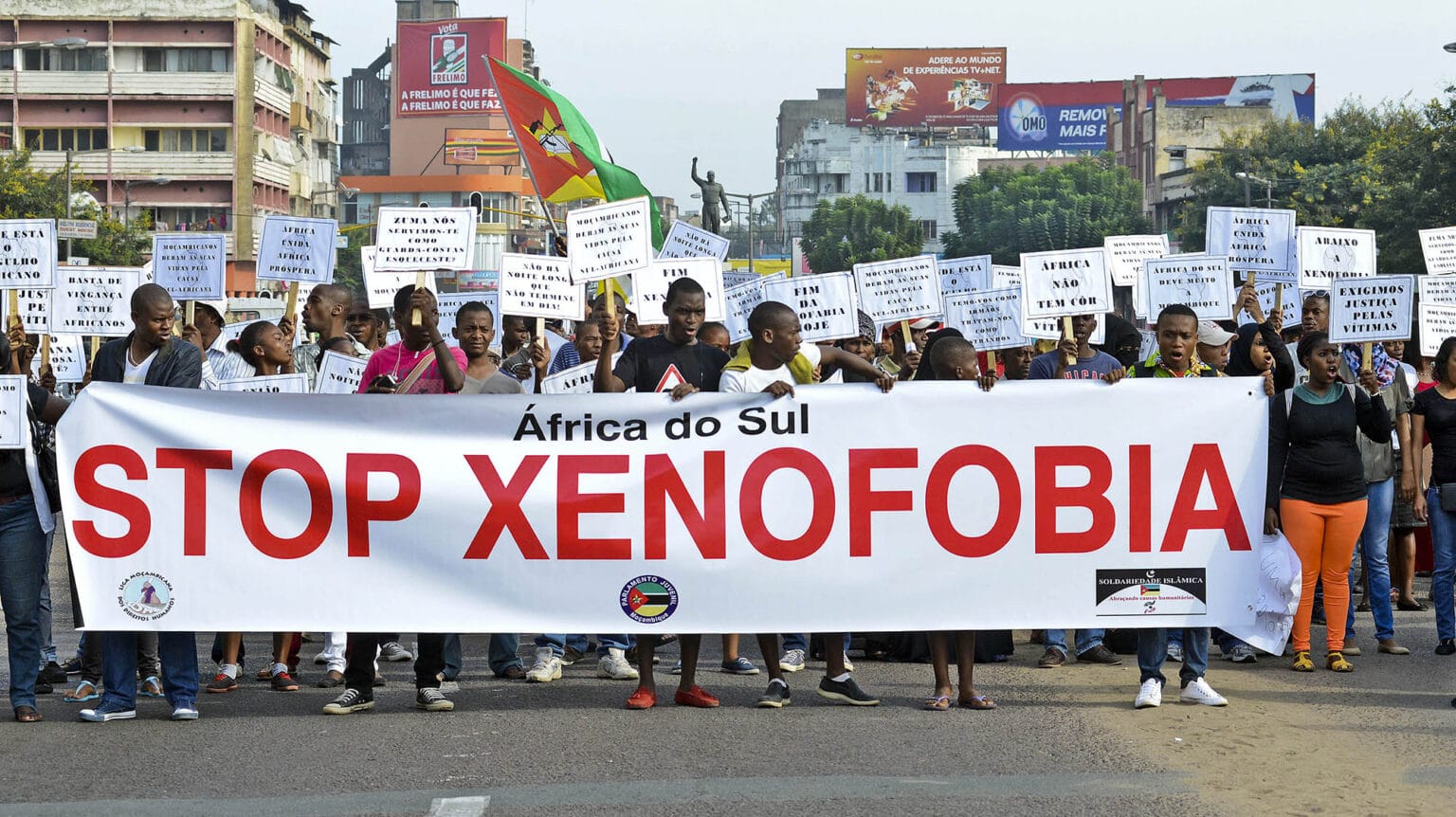
Fresh fears of xenophobic violence have resurfaced in South Africa, putting the lives of many Nigerians and other African migrants in danger.
The latest fears followed the circulation of viral videos showing hostility towards African migrants.
The incidents are now drawing diplomatic attention and raising concerns across the continent.
The videos, which spread widely on social media, captured South Africans confronting a Ghanaian national and demanding that African migrants leave the country.

They accused foreigners of worsening social and economic pressures.
In one of the clips, a woman speaking during a tense confrontation declared that African migrants were no longer welcome.
“This thing of you guys moving from one country to the other is no longer working,” she said.
“We don’t want these African people anymore. We want you to fix your countries. We don’t want you here”, she added.
The remarks, which quickly provoked outrage online, have reignited long standing anxieties over xenophobic tensions in South Africa.
Previous outbreaks of violence against foreign nationals have triggered regional condemnation.
Another video showed a man aggressively questioning a Ghanaian over his immigration documents.
He accused him of fraud and warning that Ghanaians should leave South Africa before becoming targets.
In a separate clip, an individual believed to be Ghanaian was physically assaulted.
Another video showed a South African man denouncing foreigners for “sleeping comfortably” while locals faced hardship.
The incidents have fueled apprehension ahead of a planned protest in Mthatha, Eastern Cape, where residents are expected to demonstrate over complaints linked to foreign nationals and limited employment opportunities.
Authorities have yet to publicly comment in detail on the protest plans.
However, the developments have already prompted diplomatic engagement between Accra and Pretoria.
Ghana’s Foreign Affairs Minister, Samuel Okudzeto Ablakwa, described the videos as disturbing.
He said he had spoken directly with Ronald Lamola, South Africa’s foreign minister, over the matter.
According to Ablakwa, South African authorities have assured Ghana of investigations into the incidents.
“The South African Foreign Minister has expressed his empathy with the victims and promised full scale investigations into the depressing incidents,” he said.
He added that Ghana’s diplomatic mission in South Africa had traced the victim seen in one of the viral videos and was providing consular support.
“He is doing very well. No Ghanaian life has been lost. We urge calm and confidence in our collective capacity to protect Ghanaians,” he said.
Ablakwa also appealed against allowing the incidents to fracture continental unity.
“We are determined to guarantee the protection of all citizens. May these regrettable incidents never quench our Pan African love and solidarity,” he added.
Within migrant communities, however, anxiety remains high.
Chairman of the Ghanaian community in Mthatha, Yirenyi Darko, warned that the threat was not limited to Ghanaians.
He said other African nationals, particularly Nigerians and Zimbabweans, were also concerned.
“We are only trusting God for protection,” he said.
“For now, in the Eastern Cape, it is not as extreme as in other provinces, but generally, the situation remains worrying”, Darko submitted.
”
Darko urged migrants to remain vigilant and take precautionary measures as uncertainty grows over the planned protest.
The development has revived debate over recurring xenophobic sentiment in South Africa.
Frustrations over unemployment, crime and economic hardship have at times been directed at migrants from countries including Nigeria, Zimbabwe and Ghana.
The latest incidents, amplified by social media, have raised concerns over deep diplomatic unease if the situation is not swiftly contained.(Daily trust)
-

 Entertainment6 hours ago
Wizkid To Headline 2026 Detty December Fest
-
News6 hours ago
Government official smuggles 14 family members into salary payroll, another collects 13 salaries
-
Sports6 hours ago
Super Falcons Miss Out Of 2027 World Cup After Defeat To South Africa
-
Politics6 hours ago
Osun Polls: INEC Records 1.9 Million PVC Collections
-
Business24 hours ago
Nigeria’s oil production declines as Hormuz passage tightens
-
News5 hours ago
Presidential panel extends deadline for state police memoranda, position papers to August 21
-
Politics5 hours ago
Court orders police probe of Fadahunsi over killing comment
-
Business5 hours ago
AFC Leads $2.5bn Dangote Refinery Equity Raise as Plant Targets 1.4m bpd Capacity