African News
Fani-Kayode heads into Nigeria-South Africa diplomatic storm

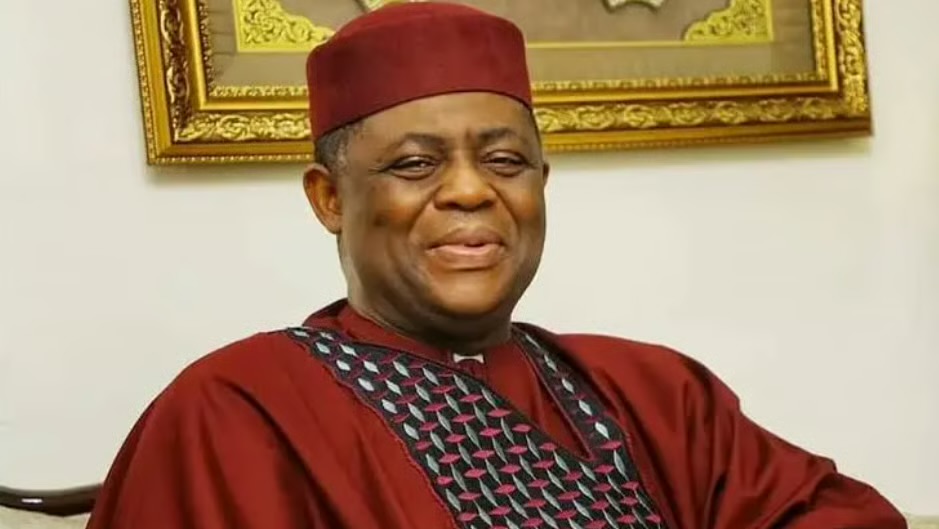
When fiery Nigerian politician Femi Fani-Kayode announced on 7 July that he had finally received the credentials and approval to serve as high commissioner to South Africa, he spoke of the “great and important work” awaiting him in Pretoria.
“I shall begin the process of reporting to Pretoria, presenting my letter of credence to His Excellency President Cyril Ramaphosa of South Africa and starting the great and important work that lies ahead,” Fani-Kayode posted on X.
A stormy session in Nigeria’s Senate that same day offered an immediate glimpse of what that work may involve. Lawmakers condemned anti-immigrant attacks targeting Nigerians, among other African nationals, in South Africa and demanded tough retaliatory measures.
Fani-Kayode is not only filling a diplomatic vacancy that has existed since 2023, when President Bola Tinubu recalled ambassadors from Nigeria’s 109 foreign missions. He is arriving at one of the most delicate moments in Nigeria-South Africa relations in years.

The posting is an early test for a politician known for his combative style and blistering attacks on opponents, critics and even foreign powers that many Nigerian politicians would hesitate to confront.
Bilateral ties under strain
Fani-Kayode will be arriving in Pretoria at a time of rising waves of anti-immigrant attacks, which have seen Nigeria evacuate more than 800 citizens. A fifth batch of evacuees, expected to land on 10 July, pushes the number above 1,000. Still, many remain in South Africa.
At a heated plenary session, Nigerian lawmakers called for the seizure of South African-owned assets and businesses in Nigeria as well as the suspension of diplomatic relations.
Although none of those proposals has yet been adopted – pending an investigation ordered by the Senate – the legislature declared Nigeria’s readiness to press for legal redress, directing the immediate compilation of the names of Nigerians who have suffered death, injury, displacement, unlawful detention or loss of property. The Nigerian High Commission in South Africa was also instructed to press for the prosecution of those behind the attacks on Nigerians.
Abuja has expressed strong disappointment in South Africa, adding that diplomatic retaliation may no longer be ruled out.
“It is not off the table,” said Bianca Ojukwu, foreign affairs minister. “Nigeria has sacrificed so much for the South African struggle and independence. Nigeria committed funds and resources.”
The tone hardened further after the alleged killing of two Nigerians by South African police during unrest, with Abuja warning that it would not tolerate “apartheid-style behaviour” towards its nationals.
Fani-Kayode inherits one of the most demanding diplomatic postings in Tinubu’s administration, says Rasheed Akinkuolie, a veteran diplomat and former Nigerian consul to Cameroon. “The newly appointed Nigerian ambassador to South Africa has an uphill task before him,” he tells The Africa Report. “Even for his personal safety, and that of other diplomats in the country.”
Politics marked by verbal wars
Fani-Kayode, a lawyer by training, combines elite education with a distinguished political pedigree. A two-time minister, he is no stranger to high office. But it is his combative politics, rather than his government service, that has made him one of Nigeria’s most recognisable political figures.
A gifted orator with a flair for sharp, often caustic language, he has long wielded words as both political currency and a weapon against opponents. Over the years, his career has been marked by headline-grabbing controversies and blistering public feuds that have stretched well beyond Nigeria’s borders.
In February 2025, he published an open letter attacking US President Donald Trump‘s foreign policy, accusing Washington of enabling “mass murder, genocide and ethnic cleansing” in Gaza.
Positioning himself as a defender of Nigerian sovereignty, one of Fani-Kayode’s most frequent targets is Trump. In November, Fani-Kayode called the US president “a recalcitrant and unrepentant schoolyard and dockside bully” for tagging Nigeria a Country of Particular Concern and threatening military action over alleged Christian genocide.
Months earlier, the envoy had turned his fire on the US Mission in Nigeria for highlighting a report that Nigerian governors were spending billions on new government houses even though citizens struggled from the economic fallout of fuel subsidy removal.
“Before you give us lessons in governance, kindly drain your American swamp and clean up the mess you have put the world into,” he wrote on X.
The Tinubu turnaround
Ahead of Nigeria’s 2023 election, Fani-Kayode waged a verbal war against then-British deputy high commissioner Ben Llewellyn-Jones, who called out the former minister’s inflammatory campaign speeches. “We are no longer your slaves,” Fani-Kayode said. “Nigeria is an independent sovereign nation.”
Tinubu was also once among the targets of Fani-Kayode’s blistering attacks. However, the former critic has reinvented himself as one of the president’s most vocal defenders. Challenged over the dramatic political turnaround, Fani-Kayode offered a characteristically colourful explanation: “I was in the People’s Pigs Party then, but saw the light and left the swine.”
In February, political activist Omoyele Soworesought to rely on Fani-Kayode’s past verbal onslaught against Tinubu in an ongoing defamation case involving the president.
Fani-Kayode dismissed the move, saying: “Playing clips of things that I said about President Tinubu 11 years ago, when I was in the opposition, will not help him to get rid of the stench of faeces that he has immersed himself in today.”
Politically contentious appointment
The ambassador’s appointment was politically contentious from the outset. When Tinubu unveiled his nominees last year, Human Rights Writers Association of Nigeria (HURIWA) singled out Fani-Kayode and his ally Reno Omokri, arguing that their selection rewarded their aggressive attacks on the president’s political opponents, particularly Peter Obi.
Although the Senate confirmed Fani-Kayode’s nomination in December and Tinubu formally posted him to South Africa in March, the former minister was among the last of the president’s ambassadors to secure approval from the host government.
Fani-Kayode was originally nominated as ambassador to Germany before being reassigned to South Africa. Although media reports suggested Berlin had declined his appointment, Fani-Kayode rejected the claims, saying he had personally requested the transfer to Pretoria.
A different kind of battle
His assignment demands a different skill set. Instead of fiery rhetoric and political confrontation, analysts say Fani-Kayode will need tact, patience and quiet diplomacy to manage one of Africa’s most important bilateral relationships at one of its most fragile moments.
Akinkuolie says Fani-Kayode’s immediate priority should be persuading Pretoria to halt attacks on foreign Africans and secure justice and compensation for victims. For Ogbole Amedu-Ode, former Nigerian ambassador to Mexico, existing diplomatic mechanisms provide a leverage.
“We have in place the Nigeria-South Africa Bi-National Commission. Fani-Kayode should be able to leverage that. Diplomacy is all about negotiation,” Amedu-Ode says. “Let’s see what the new high commissioner can do, given the structure that is already on the ground and the competent foreign officers that he has.”
(The Africa Report)
-

 Business23 hours ago
Dangote Petroleum Refinery Set for Landmark IPO Following SEC Approval
-
 News21 hours ago
BREAKING: Explosion As Boko Haram Targets Convoy Of APC Gov’ship Candidate In Borno
-
Business19 hours ago
BREAKING: Nigeria’s external reserves cross $54 billion, highest level in 18 years
-
Metro20 hours ago
Ghanaian government launches app for lovers to verify each other’s marital status
-
News6 hours ago
Outcry as fake products flood markets
-
Celebrity Gist6 hours ago
Okoye really sweet, Cardi B says after third sighting
-
Business6 hours ago
Airport policies didn’t drive Uber out of Nigeria, says FAAN
-
News7 hours ago
N33.75bn Cash Transfer Mystery: FG Failed to Prove Millions of Vulnerable Nigerians Received Funds — Auditor-General