News
Onaiyekan: Presidency To Deepen Consultations With Catholic Bishops, Others

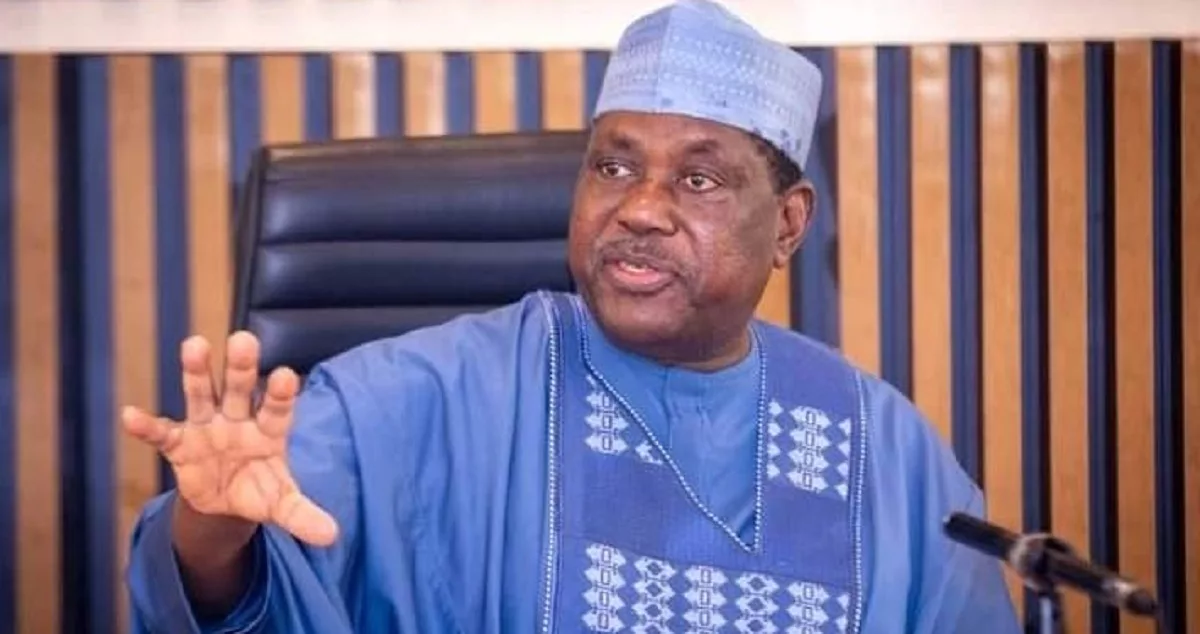
The Federal Government says it is ready to deepen its partnership with the Catholic Bishops’ Conference of Nigeria (CBCN), faith-based organisations and other stakeholders to tackle the country’s security, economic and developmental challenges.
The Secretary to the Government of the Federation (SGF), George Akume, stated this while responding to reactions following President Bola Tinubu’s last week meeting with the leadership of CBCN, during which the bishops raised concerns over rising insecurity, economic hardship, democracy and the conduct of elections.
The Archbishop Emeritus of the Catholic Archdiocese of Abuja, Cardinal John Onaiyekan, who was part of the delegation, said on Arise TV that the President disagreed with their assessment, insisting that his administration was making progress.
Two presidential spokespersons, Temitope Ajayi and Daniel Bwala, tackled Onaiyekan, saying it was inappropriate for the cardinal to publicly give his own account and interpretation of what transpired at the private meeting between the bishops and Tinubu.

Their reactions drew criticisms, with many commentators backing Onaiyekan and other bishops for speaking truth to power.
The SGF, in a statement by his spokesperson, Yomi Odunuga, said the Tinubu administration would continue to consult the Catholic bishops and other stakeholders on issues affecting Nigerians, stressing that President Tinubu remained open to honest counsel.
“Many of the challenges confronting our nation require partnership. Faith communities, traditional institutions, civil society, the private sector and citizens all have indispensable roles to play in promoting peace, strengthening social cohesion and advancing national development.
“Constructive engagement between the government and these institutions is therefore not only welcome but essential,” Akume said.
He said discussions between Tinubu and the bishops were “candid, respectful and constructive”, covering security, economic hardship, public services, education, electoral credibility, political pluralism and religious freedom.
Akume acknowledged that the government and the Church might disagree on some issues but said such differences should not undermine their shared commitment to Nigeria’s peace and progress.
On security, Akume said the government was strengthening the country’s security architecture through new Army divisions, improved intelligence coordination, logistics, recruitment, technology and personnel welfare.
He also defended the administration’s economic reforms, saying they were necessary to address structural weaknesses and restore macroeconomic stability.
Akume further reaffirmed the government’s commitment to multi-party democracy, insisting that the Tinubu administration neither seeks nor supports a one-party state. (Daily trust)
-

 Business12 hours ago
Dangote Refinery drops PMS to ₦1,165/Litre, diesel to ₦1,570/litre
-
News13 hours ago
Fake agency probe: Adeyemi rejects closed-door Reps quiz
-
News13 hours ago
FG Orders Payment Of Outstanding Wage Award To Civil Servants
-
News13 hours ago
We Froze Osun Account To Prevent Illegal Diversion Of Funds – EFCC
-
News13 hours ago
Protests In Lagos, Abuja Over Insecurity, Economic Hardship
-
Business13 hours ago
FCMB commits ₦20bn to finance Nigeria’s healthcare businesses
-
Metro13 hours ago
Three children found dead in Anambra native doctor’s residence
-
News13 hours ago
NBA faults EFCC as Osun account freeze sparks row