News
Lagos to replace ageing landfills with recycling, waste-to-energy plants

The Lagos State Government is set to phase out its ageing landfills and replace them with material recovery facilities and waste-to-energy plants as the state intensifies efforts to address its worsening waste management crisis.
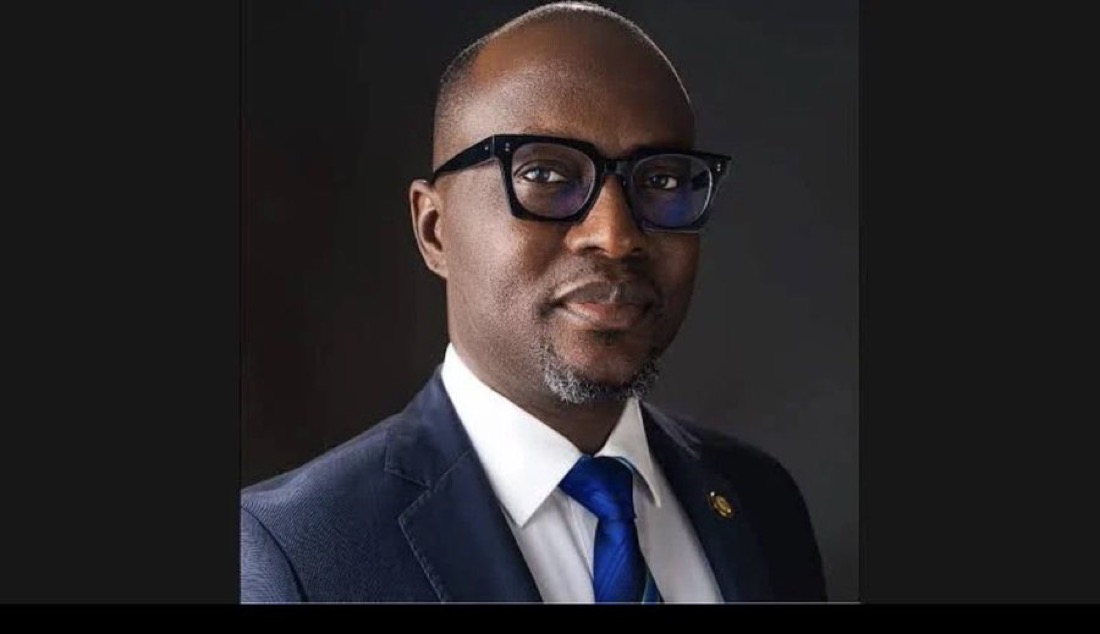
The Managing Director and Chief Executive Officer of the Lagos Waste Management Authority, Muyiwa Gbadegesin, disclosed this during LAWMA’s mid-year media parley held at the agency’s office in Ijora-Olopa, Lagos State, on Tuesday.
The session focused on the agency’s efforts to strengthen waste management through infrastructure development, innovation, enforcement and the transition to a circular economy.
Gbadegesin said the state had faced significant challenges at its major dump sites in recent months, particularly during the rainy season, noting that the situation had been worse this year.

He said the challenges included flooding of access roads and disposal platforms, as well as the dwindling capacity of some landfills to receive waste.
“The capacity of the dump site itself to receive waste is limited now because it’s approaching the end of life. It can properly be called an expired landfill,” he said.
According to him, the state had embarked on engineering interventions to extend the operational capacity of the affected sites while developing alternative waste management facilities.
He said the rehabilitation of Road E, the second access road to the landfill, and the construction of two disposal platforms had improved access and reduced turnaround time for waste trucks.
Gbadegesin said the intervention, carried out with the support of ZoomLion Nigeria, had contributed to an increase in the number of truck trips to the site, rising from 1,394 in one week to 1,781 the subsequent week.
He added that the agency was developing two major transfer loading stations at Olusosun and Solous, with the Olusosun facility expected to receive 2,500 tonnes of waste daily in a controlled indoor environment.
“So, all you are going to see with this transfer loading station is trucks going in, trailers coming out. You will not see the waste at all,” he said.
Gbadegesin explained that once the existing dump sites were decommissioned, they would be rehabilitated through measures including gas extraction and the use of geotextile materials, while some could be converted into other waste management facilities.
He said the state was also planning to develop waste-to-energy plants, including one in Badagry, describing the projects as long-term investments that would take at least three to five years to complete.
“We want to do another waste-to-energy plant in Badagry. These are long-term projects, three to five years minimum, but the planning has already started for that,” he said.
He added that material recovery facilities covering about 50 hectares each were being developed in Ikorodu and Badagry to process bulk waste and separate it into organic waste, plastics, metals and textiles.
According to him, about half of the waste fraction would comprise organic materials, which would be converted into compost for farmers and gardeners, while plastics would be used to produce waste bins for residents.
On waste collection, Gbadegesin said LAWMA had increased its capacity with 10 additional trucks, six of which were being used for direct house-to-house collection in areas of Mushin without PSP operators.
He said the agency was also expecting 150 additional compactor trucks by the end of the year, with 114 ordered by the 57 local governments and LCDAs and 36 by the state government.
“This will add to the capacity this year, and we plan to continue to add to the waste collection capacity next year as well,” he said.
The LAWMA boss also disclosed that the state had begun the process of reforming the PSP sector, involving 438 operators covering 377 wards across Lagos.
He said six working groups had been established to review the sector and submit their reports within one month, after which the recommendations would be presented to the Ministry of Environment and Water Resources, the Executive Council and the House of Assembly for approval.
“The goal is that following this reform, we’ll have a restructured PSP programme that will have the necessary investment, the necessary infrastructure, and the necessary equipment in the form of trucks to serve the needs of Lagosians with respect to the collection of waste,” he said.
Gbadegesin said the state was also strengthening enforcement against indiscriminate waste disposal, adding that five enforcement units operated daily in collaboration with relevant agencies.
“The policy is zero tolerance for indiscriminate waste disposal. We do not want anyone in Lagos dumping waste in public spaces, and anyone who does so, we will enforce against that to the fullest extent of the law,” he said.
He disclosed that 259 environmental offenders were prosecuted between January and July, with all 259 convicted.
According to him, the convictions were secured because the agency ensured it had sufficient evidence before taking offenders to court.
“Video evidence, photo evidence, most of them caught in the act, day and night,” he said.
Gbadegesin also said LAWMA was working with local governments and community stakeholders to improve public awareness and encourage residents to dispose of their waste properly.
He said the agency’s long-term objective was to move Lagos from a linear waste management system to a circular economy through waste sorting at source, reduced dependence on landfills, material recovery facilities, transfer stations, waste-to-energy plants and biogas facilities.
“The goal of our policy direction now is to take Lagos from a linear system of waste management to a circular system. And that requires investments, it requires engagements, it requires amendments to our law,” he said.
Gbadegesin assured that the state would continue to rehabilitate existing dump sites during the transition while developing modern facilities for waste treatment and disposal.
he Lagos State Government is set to phase out its ageing landfills and replace them with material recovery facilities and waste-to-energy plants as the state intensifies efforts to address its worsening waste management crisis.
The Managing Director and Chief Executive Officer of the Lagos Waste Management Authority, Muyiwa Gbadegesin, disclosed this during LAWMA’s mid-year media parley held at the agency’s office in Ijora-Olopa, Lagos State, on Tuesday.
The session focused on the agency’s efforts to strengthen waste management through infrastructure development, innovation, enforcement and the transition to a circular economy.
Gbadegesin said the state had faced significant challenges at its major dump sites in recent months, particularly during the rainy season, noting that the situation had been worse this year.
He said the challenges included flooding of access roads and disposal platforms, as well as the dwindling capacity of some landfills to receive waste.
“The capacity of the dump site itself to receive waste is limited now because it’s approaching the end of life. It can properly be called an expired landfill,” he said.
According to him, the state had embarked on engineering interventions to extend the operational capacity of the affected sites while developing alternative waste management facilities.
He said the rehabilitation of Road E, the second access road to the landfill, and the construction of two disposal platforms had improved access and reduced turnaround time for waste trucks.
Gbadegesin said the intervention, carried out with the support of ZoomLion Nigeria, had contributed to an increase in the number of truck trips to the site, rising from 1,394 in one week to 1,781 the subsequent week.
He added that the agency was developing two major transfer loading stations at Olusosun and Solous, with the Olusosun facility expected to receive 2,500 tonnes of waste daily in a controlled indoor environment.
“So, all you are going to see with this transfer loading station is trucks going in, trailers coming out. You will not see the waste at all,” he said.
Gbadegesin explained that once the existing dump sites were decommissioned, they would be rehabilitated through measures including gas extraction and the use of geotextile materials, while some could be converted into other waste management facilities.
He said the state was also planning to develop waste-to-energy plants, including one in Badagry, describing the projects as long-term investments that would take at least three to five years to complete.
“We want to do another waste-to-energy plant in Badagry. These are long-term projects, three to five years minimum, but the planning has already started for that,” he said.
He added that material recovery facilities covering about 50 hectares each were being developed in Ikorodu and Badagry to process bulk waste and separate it into organic waste, plastics, metals and textiles.
According to him, about half of the waste fraction would comprise organic materials, which would be converted into compost for farmers and gardeners, while plastics would be used to produce waste bins for residents.
On waste collection, Gbadegesin said LAWMA had increased its capacity with 10 additional trucks, six of which were being used for direct house-to-house collection in areas of Mushin without PSP operators.
He said the agency was also expecting 150 additional compactor trucks by the end of the year, with 114 ordered by the 57 local governments and LCDAs and 36 by the state government.
“This will add to the capacity this year, and we plan to continue to add to the waste collection capacity next year as well,” he said.
The LAWMA boss also disclosed that the state had begun the process of reforming the PSP sector, involving 438 operators covering 377 wards across Lagos.
He said six working groups had been established to review the sector and submit their reports within one month, after which the recommendations would be presented to the Ministry of Environment and Water Resources, the Executive Council and the House of Assembly for approval.
“The goal is that following this reform, we’ll have a restructured PSP programme that will have the necessary investment, the necessary infrastructure, and the necessary equipment in the form of trucks to serve the needs of Lagosians with respect to the collection of waste,” he said.
Gbadegesin said the state was also strengthening enforcement against indiscriminate waste disposal, adding that five enforcement units operated daily in collaboration with relevant agencies.
“The policy is zero tolerance for indiscriminate waste disposal. We do not want anyone in Lagos dumping waste in public spaces, and anyone who does so, we will enforce against that to the fullest extent of the law,” he said.
He disclosed that 259 environmental offenders were prosecuted between January and July, with all 259 convicted.
According to him, the convictions were secured because the agency ensured it had sufficient evidence before taking offenders to court.
“Video evidence, photo evidence, most of them caught in the act, day and night,” he said.
Gbadegesin also said LAWMA was working with local governments and community stakeholders to improve public awareness and encourage residents to dispose of their waste properly.
He said the agency’s long-term objective was to move Lagos from a linear waste management system to a circular economy through waste sorting at source, reduced dependence on landfills, material recovery facilities, transfer stations, waste-to-energy plants and biogas facilities.
“The goal of our policy direction now is to take Lagos from a linear system of waste management to a circular system. And that requires investments, it requires engagements, it requires amendments to our law,” he said.
Gbadegesin assured that the state would continue to rehabilitate existing dump sites during the transition while developing modern facilities for waste treatment and disposal. (Punch)
-

 Metro22 hours ago
Child trafficking suspect admits receiving ₦250,000 per child
-
News22 hours ago
Ebola: Uganda seeks Nigerian woman’s travel history from FG
-
Politics22 hours ago
2027: Tinubu campaign council creates new directorate, reshuffles teams
-
Business22 hours ago
Transport, petrol prices soar in S’East amid fuel discount
-
News22 hours ago
Abuja bizman arrested over alleged $120m fraud
-
Metro20 hours ago
Otedola Bridge rapidly becoming Nigeria’s deadliest accident spot
-
Politics22 hours ago
Ebola case: Atiku urges calm, backs contact tracing
-
Business22 hours ago
Senate Summons Olam Nigeria, MD, Eight Other Executives Over Alleged $15Billion Forex Transactions