World News
EU Condemns Trump Administration’s Sanctions On ICC President, Senior Trial Lawyer, Backs Court

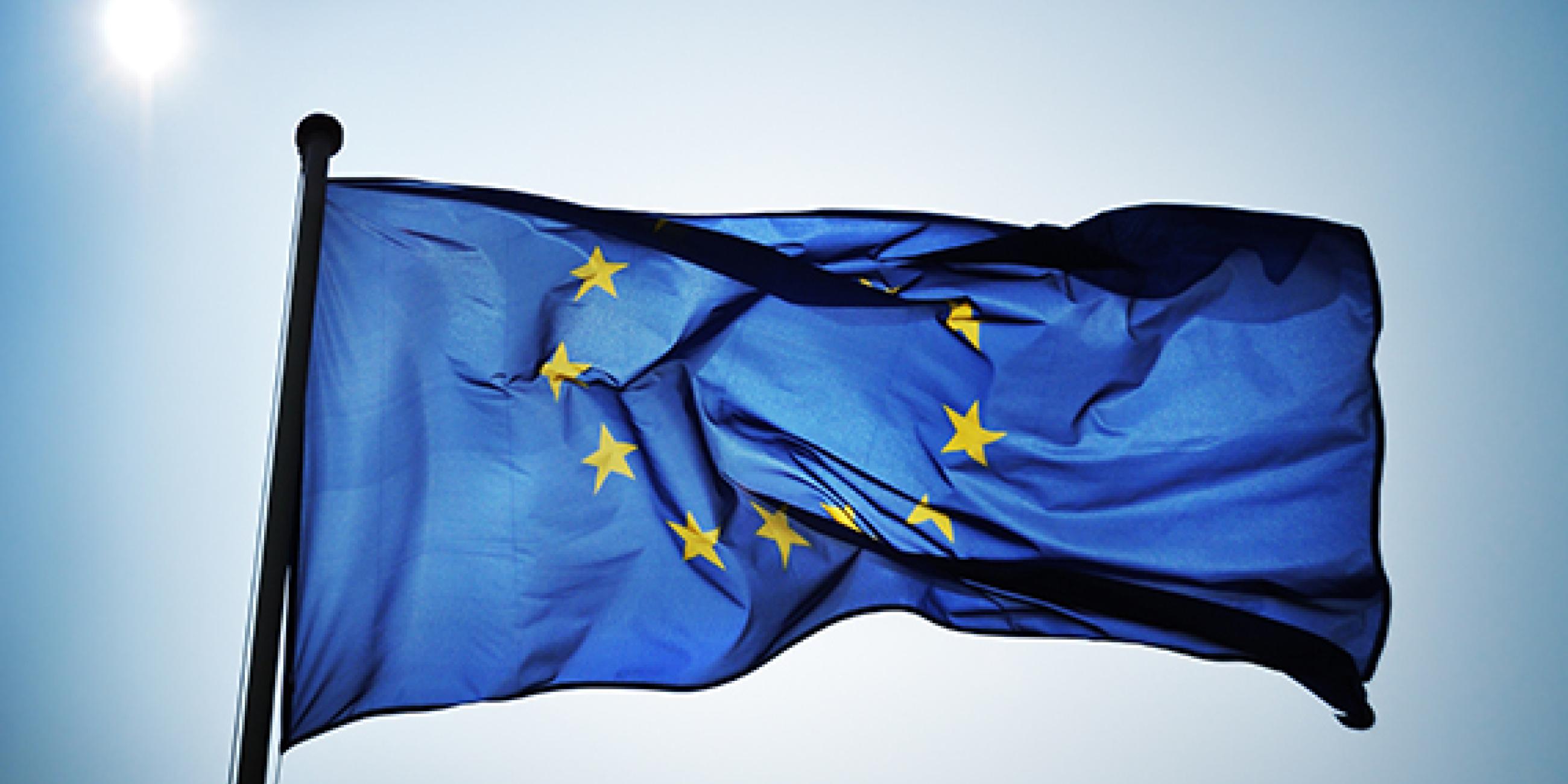
The European Union has reaffirmed its “unwavering support” for the International Criminal Court (ICC), strongly condemning the decision by the United States to impose sanctions on the Court’s President, Judge Tomoko Akane, and Senior Trial Lawyer, Abdoulaye Seye.
The EU said the ICC remains a cornerstone of the international criminal justice system and plays a critical role in the global fight against impunity, particularly by ensuring accountability for some of the most serious crimes of concern to the international community.
In a statement issued in response to the latest US sanctions, the European Union on Wednesday said it “deeply regrets” Washington’s decision, stressing that the independence, impartiality and ability of the ICC to carry out its mandate must be protected from external pressure, intimidation and interference.
“The European Union reiterates its unwavering support for the International Criminal Court (ICC). The EU deeply regrets the decision by the United States to impose sanctions against International Criminal Court President Judge Tomoko Akane and Senior Trial Lawyer Abdoulaye Seye,” the bloc said.

According to the EU, sanctions directed at the Court, its officials and personnel risk undermining the institution’s ability to discharge its responsibilities under international law.
The bloc therefore pledged continued support for the ICC and said it would work to ensure that the Court and its personnel are protected against external pressures or threats.
“Sanctions against the Court, its officials and personnel undermine its work. The EU stands firmly with the ICC and will continue to provide its full support to ensure the protection of the Court and its staff against external pressures or threats,” the EU said.
The European Union further reaffirmed its commitment to the Rome Statute, the treaty that established the ICC, saying it remained committed to safeguarding the independence and integrity of the international judicial institution.
The latest diplomatic dispute followed an announcement by US Secretary of State Marco Rubio on Tuesday that Washington was imposing sanctions on Akane and Seye.
Rubio accused the ICC of being “a corrupt and fatally politicised supranational court that has maliciously abused its authority and exceeded its mandate.”
He added: “We will not tolerate its assault on state sovereignty.”
The latest sanctions represent another escalation in the Trump administration’s confrontation with the ICC, which has jurisdiction to investigate and prosecute individuals accused of genocide, war crimes, crimes against humanity and aggression in circumstances provided for under the Rome Statute.
The administration has already announced sanctions against at least 11 ICC officials, including nine judges and the Court’s chief prosecutor.
The measures include asset freezes, travel bans and restrictions on the provision of services by US companies to sanctioned individuals.
Washington’s actions have been linked to the ICC’s investigations involving US personnel in Afghanistan and arrest warrants issued against senior Israeli officials, including Israeli Prime Minister Benjamin Netanyahu, over alleged war crimes connected to the war in Gaza.
The US government has strongly rejected the Court’s authority over American and Israeli officials, particularly where the governments concerned have not consented to the Court’s jurisdiction.
Announcing the latest measures, Rubio said Akane, a Japanese national, and Seye, a Senegalese national, were being sanctioned over their involvement in efforts by the ICC to “prosecute officials whose government has not consented to ICC jurisdiction.”
The US position contrasts sharply with that of the European Union, which has maintained that the ICC is an essential component of the international rules-based order and that its judicial independence must be protected.
The ICC itself has also rejected the American sanctions, describing them as a direct attack on its institutional independence.
The Court called the measures a “flagrant attack against an independent and impartial judicial institution” and warned that they “undermine the rule of law.”
The confrontation has consequently deepened divisions among major international actors over the authority and role of the ICC in prosecuting alleged international crimes. (SaharaReporters)
-

 Entertainment23 hours ago
Adedibu family, filmmaker clash over ‘unauthorised’ biopic as producer rejects ₦500 million demand
-
Politics5 hours ago
2027: Atiku demands names of firms printing INEC’s ballot papers
-
Business5 hours ago
Nigeria’s debt interest soars 124% above revenue
-
Business5 hours ago
Refiners back forward crude sales, oppose petrol price cap
-
 News5 hours ago
World Bank report affirms reform gains — Tinubu
-
Politics5 hours ago
Crude shortfall makes Atiku’s subsidy plan not workable – Presidency
-
Business4 hours ago
How 18yrs multiple gas policies sidelined domestic consumers
-
News4 hours ago
NDLEA Arrests 83-Year-Old Woman Again, Intercepts Drugs At Nigerian Airports