Business
The women running Nigeria’s economy


Across the institutions that shape Nigeria’s economic future, women occupy some of the most consequential positions of power — from trade policy and sovereign debt management to banking regulation, pension oversight, and petroleum governance.
While the leadership of government offices in Abuja and corporate boards in the country’s commercial capital, Lagos, remain largely dominated by men, several women have risen to positions where their decisions affect households and businesses in Africa’s most populous nation, home to more than 200 million people.
The challenges facing the Nigerian economy remain formidable: sluggish growth, high inflation, rising poverty, persistent unemployment, infrastructure deficits, and a cost-of-living crisis that weighs heavily on ordinary citizens, despite reform efforts to stimulate the economy.
Here is a look at some of the key women playing pivotal roles in steering one of Africa’s largest economies:

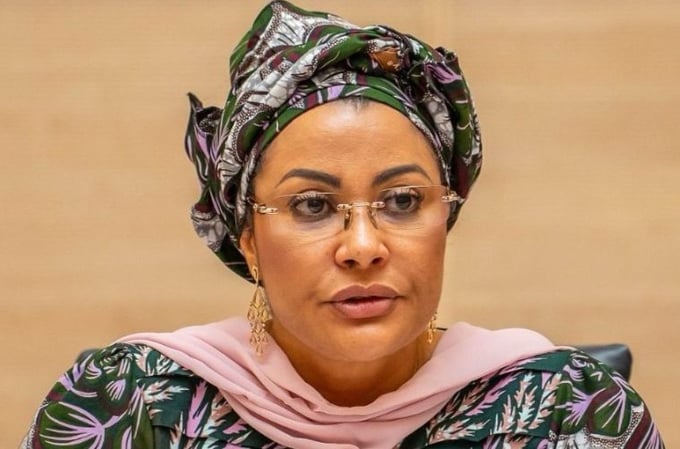
Jumoke Oduwole
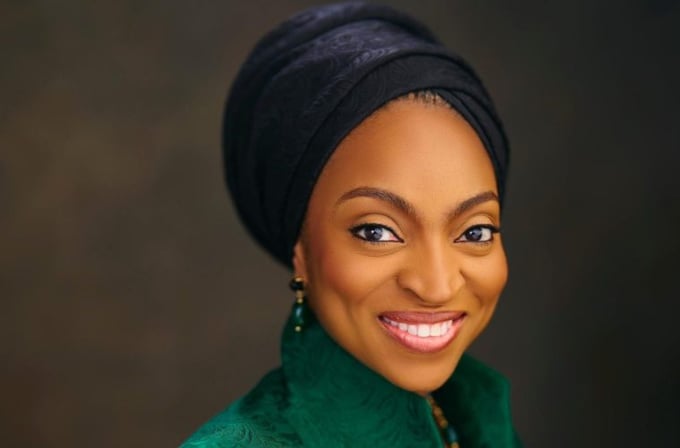
As minister of industry, trade and investment, Oduwole oversees the country’s industrial policy, commerce, investment promotion and trade negotiations — a portfolio that places her at the centre of the country’s ambitions to diversify beyond hydrocarbons and build a competitive manufacturing base. Her mandate spans everything from the African Continental Free Trade Area to the ease-of-doing-business reforms that determine whether small enterprises sink or thrive.
A jurist and academic by background, she has spent much of her career at the intersection of law, trade and development.
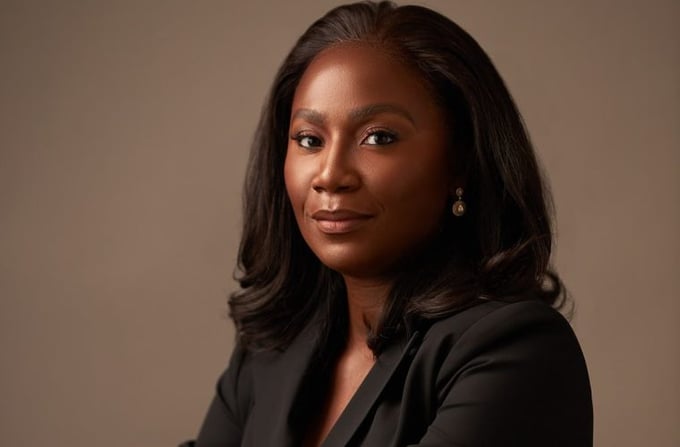
Doris Uzoka-Anite
Uzoka-Anite, a medical doctor turned chartered financial analyst, is the minister of state for budget and economic planning. She supports coordinating the country’s development priorities and allocating public resources — the foundational arithmetic on which every infrastructure project, social programme, and debt service obligation depends.
Her appointment, which took effect in March 2026, followed a tenure as minister of state for finance and as minister of industry, trade and investment, providing her with rare continuity across the three ministries central to fiscal discipline and investment.
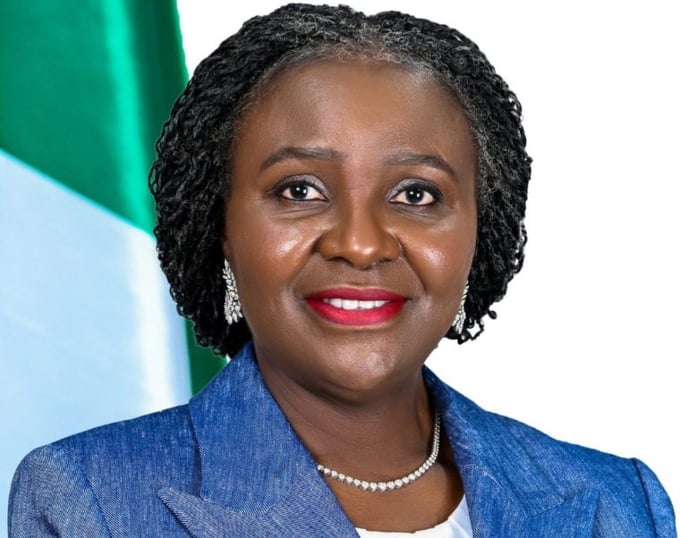
Olu Verheijen
She is the special adviser to President Bola Tinubu on oil and gas, a role that places her at the intersection of policy formulation, investor relations, and the high-stakes diplomacy that surrounds the petroleum industry. She is the principal voice on oil and gas policy for State House and a central figure in the administration’s push to revive upstream investment.
Her influence, while less visible than that of a line minister, often extends deep into the decisions that shape the operating environment for international oil companies, the pace of domestic refining capacity development, and the management of production quotas.
The Tinubu administration has reinforced the Petroleum Industry Act’s fiscal clarity by several executive orders in a bid to boost investor confidence in the sector, with Verheijen playing a crucial role.
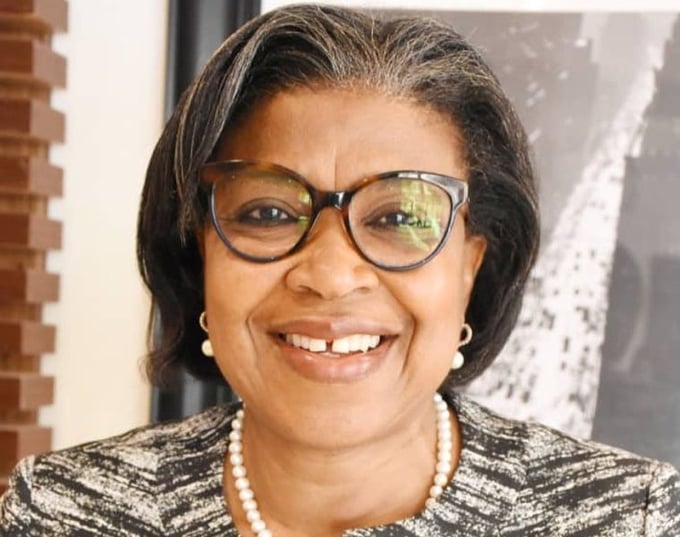
Oritsemeyiwa Eyesan
She is the chief executive of the Nigerian Upstream Petroleum Resources Commission (NUPRC), one of the primary regulators in the oil and gas sector. The NUPRC is responsible for regulating upstream petroleum operations, including the licensing of oil blocks, the supervision of exploration and production activities, and the enforcement of technical and environmental standards.
Eyesan’s role places her at the centre of the most sensitive conversations in the Nigerian political economy — the allocation of hydrocarbon rights, the management of production costs, and the oversight of an industry that has been the country’s economic backbone for decades. She recently presided over Nigeria’s biggest oil block auction since a new law was enacted in 2021.
Patience Oniha
She has been the director-general of the Debt Management Office (DMO) for over nine years. The DMO manages Nigeria’s sovereign debt portfolio and oversees government borrowing — responsibilities that have grown only more sensitive as the country grapples with elevated debt-service-to-revenue ratios. It is one of the most closely watched technical agencies in the federal government by international investors.
Oniha’s tenure has spanned periods of both Eurobond issuance and difficult restructuring conversations. In an era when fiscal sustainability dominates the economic conversation, she is one of the most quietly powerful officials in the federal government.
Aisha Rimi
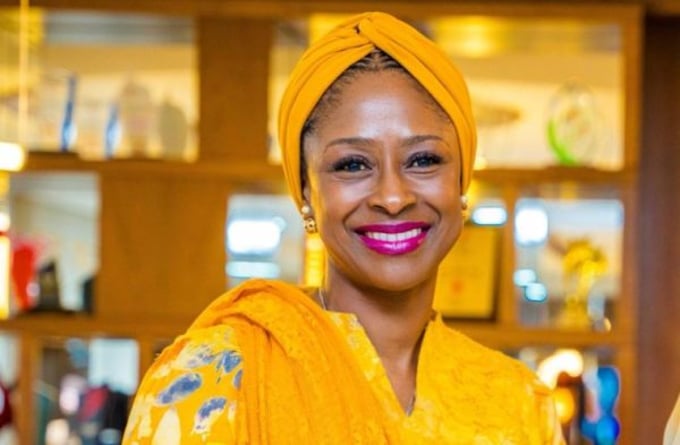
A lawyer with more than three decades of experience specialising in foreign investment, project finance, corporate joint ventures, and regulatory compliance, she serves as the executive secretary and CEO of the Nigerian Investment Promotion Commission. Appointed in October 2023, she is responsible for positioning Nigeria as a competitive destination for foreign and domestic investment — a task that requires navigating perceptions of regulatory risk, currency volatility, and infrastructural deficits while articulating the genuine opportunities in a market of continental scale.
Her role is central to Nigeria’s bid to attract and facilitate foreign and domestic investment, a core government priority for economic diversification and job creation. The founding managing partner at commercial law firm Africa Law Practice is a pivotal figure in the government effort to translate policy reform into actual capital flows.
Emem Usoro
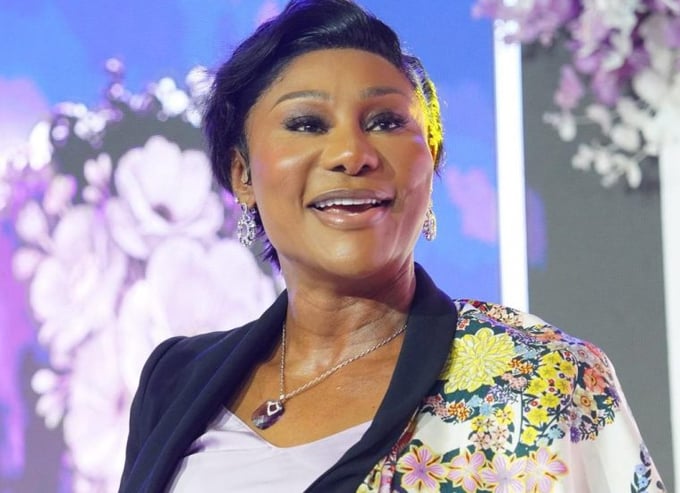
She serves as deputy governor in charge of operations at the Central Bank of Nigeria, a role that places her at the nerve centre of the country’s monetary and financial system infrastructure. She provides strategic oversight for banking services, finance, information technology, currency operations, branch management and risk management.
She previously served as deputy governor in charge of the Corporate Services Directorate, where her mandate covered human resources, corporate communications, legal services, procurement, and support services, among others. She is a former chairman of the Board of the Nigerian Security Printing & Minting, which is responsible for producing banknotes and coins.
Omolola Oloworaran
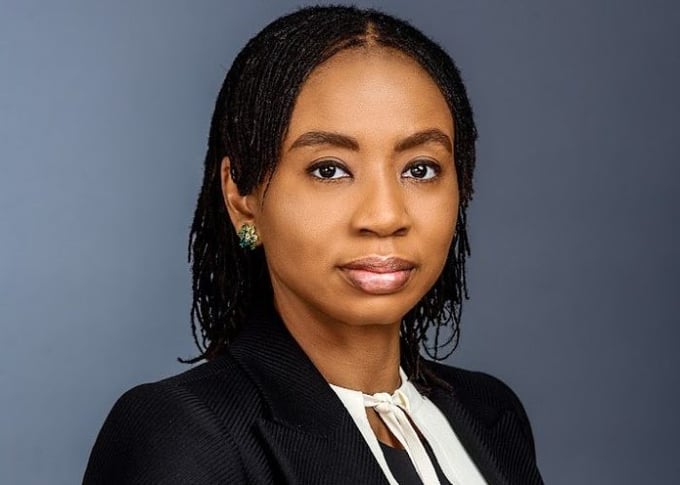
She is the director-general of the National Pension Commission, the regulator that oversees this entire pension ecosystem in the country. The pension industry, with its substantial and growing pool of assets totaling over N31trn ($23.1bn), represents one of the country’s most important reservoirs of long-term capital.
Her role involves safeguarding the retirement savings of millions of Nigerian workers while ensuring that pension fund administrators invest prudently across asset classes. The stewardship of pension assets — now among the largest pools of institutional capital in the country — carries implications for everything from infrastructure financing to stock market liquidity.

Nonye Ayeni
She leads the Nigerian Export Promotion Council (NEPC) as its executive director and chief executive officer.
Her mandate — developing Nigeria’s non-oil export sector — goes to the heart of the country’s most persistent economic challenge: reducing dependence on crude oil revenues. From agricultural commodities to manufactured goods and services, the NEPC is tasked with making Nigerian products competitive in global markets, a mission that intersects with industrial policy, trade facilitation, and quality standards enforcement.

Adaora Umeoji
She serves as Group managing director and CEO of Zenith Bank, one of Nigeria’s largest financial institutions by assets and market capitalisation. In a banking sector that functions as the circulatory system of the economy — channelling credit to businesses, facilitating trade finance, and managing corporate and retail deposits — Umeoji’s leadership places her among the most influential figures in Nigerian finance.
Zenith Bank’s pan-African footprint and its role in financing large-scale corporate and government transactions mean that decisions made in its boardroom reverberate across multiple jurisdictions.
(The Africa Report)
-

 News8 hours ago
43 die, many missing after inhaling toxic fumes during fuel theft in Rivers
-
News8 hours ago
Presidency says Tinubu’s US FOIA case civil, not criminal
-
News8 hours ago
DSS bars operatives from arresting people over civil matters
-
Politics8 hours ago
FG counters Obi, Kwankwaso over Tinubu’s re-election chances
-
Politics8 hours ago
IPMAN Has Put Tinubu’s Subsidy Argument Into Shame – Atiku
-
Politics7 hours ago
‘My N500,000 electricity bill now N4m, Atiku’ll restore subsidy’ — Amaechi
-
News8 hours ago
Fubara signs N1.84tn Rivers 2026 appropriation bill into law
-
News8 hours ago
Court orders police, AGF to grant ‘fake PFIPC DG’ access to lawyers