Business
FG begins free zones reform, targets abuse of duty-free concessions

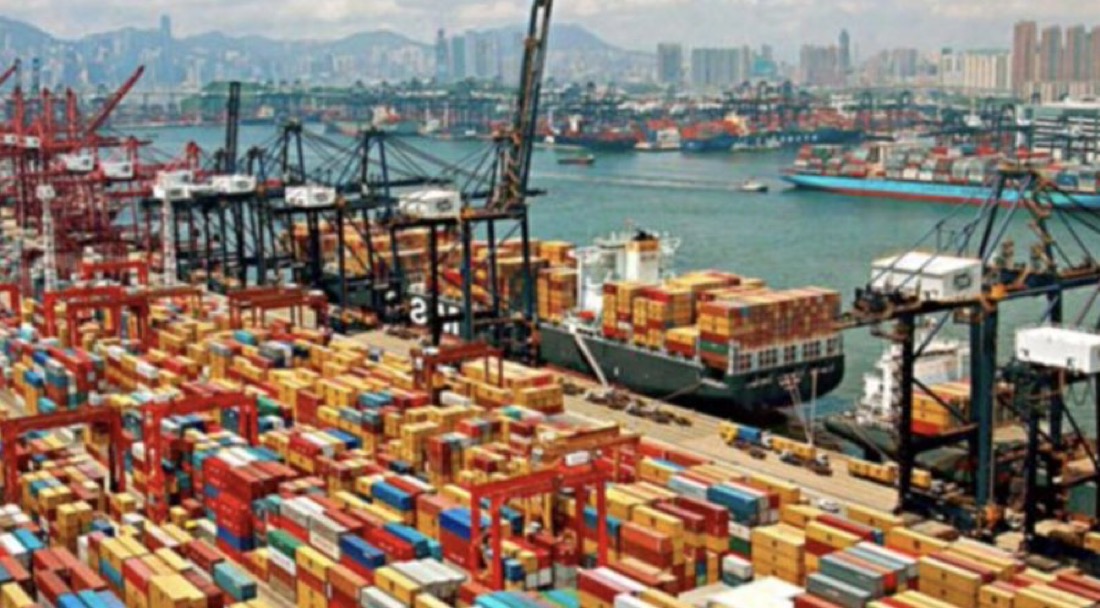
The federal government has begun moves to tighten the regulatory framework governing Nigeria’s special economic zones (SEZs), while assuring legitimate investors that existing incentives will be protected.
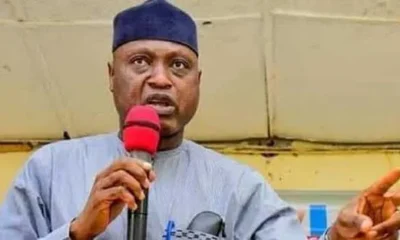
Jumoke Oduwole, minister of industry, trade and investment, gave the assurance as the special economic zones legislative and regulatory reform committee commenced a drafting retreat to translate ongoing consultations into revised legislative and regulatory instruments.
The retreat brings together officials from the Federal Ministry of Justice, the Federal Ministry of Industry, Trade and Investment (FMITI), the Nigeria Export Processing Zones Authority (NEPZA), the Oil and Gas Free Zones Authority (OGFZA), the Nigeria Customs Service (NCS) and the Nigeria Revenue Service (NRS).
Stakeholder presentations from the Nigeria Economic Zones Association (NEZA), the National Single Window, Customs and the NRS opened the retreat, with issues raised during a September 17 stakeholder engagement now being considered in the drafting process.

Oduwole said the reform was not intended to dismantle the free zones regime or withdraw incentives that have attracted investors to the country.
She said incentives such as duty-free importation of capital goods, tax exemption on qualifying export profits, 100 percent foreign ownership and unrestricted repatriation would remain part of the framework.
“A free zone cannot become an alternative route into the Nigerian domestic market on terms unavailable to manufacturers operating in the Customs Territory,” the minister said.
“But this is not an argument against Free Zones. It is an argument for protecting them. Legitimate investors who have committed capital to Nigeria deserve certainty.
“The rules must be clear. Institutional responsibilities must be clear. Customs and tax treatment must be predictable. And lawful incentives must remain defensible.”
FG TARGETS ABUSE OF FREE ZONES
The reform follows renewed scrutiny of the free zones scheme after recent customs enforcement actions over allegations that goods imported under free zone concessions were later diverted into the domestic market.
Oduwole said the government’s objective was to address such weaknesses without undermining operators that had complied with existing rules.
“The choice before Nigeria is not between preserving the Free Zones scheme and dismantling it. It is whether we can preserve what works, correct what does not and build a framework capable of serving the economy we are becoming,” she said.
The minister said the inclusion of customs and the NRS as core members of the drafting committee was deliberate, particularly because both agencies would play key roles in implementing customs and tax provisions under the revised framework.
Issues under consideration include the treatment of existing investments and transition arrangements for current licensees, the proposed 75/25 export and domestic-sales framework, and possible phased implementation.
The committee is also examining customs coordination and joint inspections, simplified customs exit procedures, foreign exchange and tax reporting, as well as the treatment of services provided within free zones.
The reform seeks to reduce multiple regulatory interfaces, with NEPZA and OGFZA retaining coordinating responsibilities within their respective statutory mandates.
A key principle emerging from the consultations is “one authority, one visit, one record” to reduce regulatory friction for businesses operating in the zones.
Oduwole described the principle as a useful test for the final implementation framework.
‘DIGITAL BUSINESSES TO GET PLACE IN FREE ZONES’
The proposed reforms also expand the framework to accommodate digital businesses.
For the first time, the draft regulations expressly recognise digital free zones and digital free zone enterprises, with proposed licence categories including innovator and sandbox licences for businesses that may not require a conventional physical presence.
The development follows President Bola Tinubu’s directive to move the Digital Free Zones initiative into implementation, with a roadmap for full launch within 180 days.
NEPZA has licensed Itana as Nigeria’s first digital free zone, while the Africa Finance Corporation (AFC) is backing the $500 million Itana Innovation project at Alaro City.
Oduwole said Nigeria’s export ambitions should extend beyond physical goods.
“Nigeria’s future exports will not only leave our ports in containers,” she said.
“Nigerian companies increasingly export technology, financial and professional services, creative products, intellectual property and other digitally delivered services.”
The minister said a modern special economic zones regime must be able to attract those businesses as deliberately as it has historically sought to attract manufacturers. (TheCable)
-

 Metro6 hours ago
Newlywed Couple Abducted In Kogi
-
Politics6 hours ago
Tinubu’s Absence: Nigerians Deserve Openness, Not Secrecy – ADC
-
News6 hours ago
FG seeks fresh $1.5bn World Bank loan
-
News6 hours ago
Oyebanji Dissolves Boards, Terminates Political Appointments
-
News6 hours ago
State Police Bill Faces Legal Battle
-
News24 hours ago
NECO 2026: Kano Beats Lagos, Oyo, Emerges Best-Performing State
-
News24 hours ago
FACT CHECK: Did Obi’s Administration Owe $123.77m As Anambra Govt Claimed?
-
Business5 hours ago
AFC Backs ₦729bn NBET Bonds To Settle Power Legacy Debts