Business
Hot money props Nigeria’s FX reserves with export earnings aloof

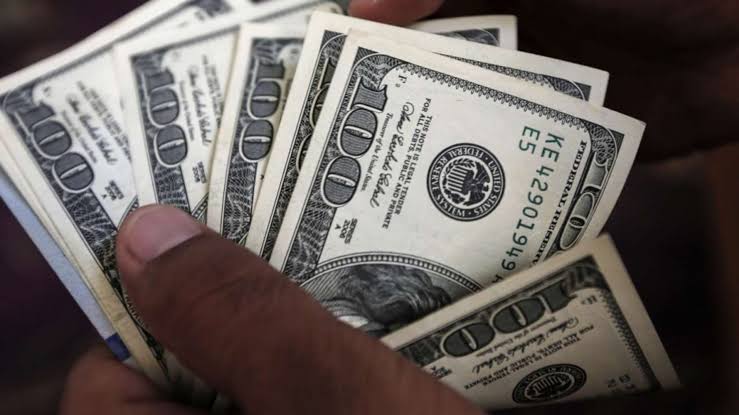
Nigeria’s foreign exchange reserves have climbed above $54 billion, but a growing reliance on short-term foreign investment is raising questions about the sustainability of the country’s improving external position.
A report by BusinessDay published on October 8, 2026, citing the World Bank, says foreign portfolio investors attracted by Nigeria’s high interest rates are playing a major role in reserve accumulation, while the contribution of export earnings remains constrained by incomplete repatriation of export proceeds.
The development highlights an important distinction: having more dollars in reserves is positive, but how those dollars enter the economy matters just as much.
What is driving the increase in reserves?

Nigeria’s gross external reserves reached $54.61 billion as of September 14, 2026, according to figures reported by Punch. The increase reflects a combination of foreign investment inflows, oil-related receipts, foreign-exchange reforms and other external transactions.
Foreign portfolio investors have been drawn to Nigeria by attractive yields on government securities and other naira-denominated assets. These investments can bring dollars into the financial system, support foreign-exchange liquidity and help the Central Bank of Nigeria build its reserves.
However, portfolio investors are primarily seeking financial returns rather than committing to long-term productive investments.
Why ‘hot money’ could become a problem
Hot money refers to capital that moves quickly across borders in search of higher returns. Although these inflows can strengthen reserves and support the naira in the short term, they can also reverse rapidly.
If Nigerian interest rates fall, US assets become more attractive, or investors lose confidence in the naira, foreign investors may sell their holdings and withdraw their money.
Such withdrawals could increase demand for dollars, put pressure on the exchange rate and reduce the country’s foreign-exchange reserves.
The World Bank has warned that volatile capital flows could offset some of the benefits Nigeria receives from favourable oil prices.
The export earnings problem
Nigeria’s challenge is not simply generating foreign currency, but ensuring that export proceeds return to the domestic financial system.
The country earns dollars from crude oil, natural gas, solid minerals and non-oil exports. However, when exporters retain proceeds abroad or delay repatriating them, those earnings do not immediately translate into stronger official reserves.
This matters because export earnings can provide a more durable source of foreign exchange when supported by consistent production, competitive industries and effective repatriation rules.
Nigeria recorded a trade surplus of ₦12.60 trillion in the second quarter of 2026, according to the National Bureau of Statistics figures cited by BusinessDay. Yet a trade surplus does not automatically mean that all the dollars earned from exports are available to the Central Bank.
What does this mean for the naira?
In the short term, sustained portfolio inflows can improve dollar availability and support exchange-rate stability. But if the inflows weaken or reverse, the naira could face renewed pressure.
For a more resilient foreign-exchange position, Nigeria needs to:
Improve the repatriation of oil and non-oil export proceeds.
Expand non-oil exports and diversify foreign-currency earnings.
Attract more foreign direct investment into manufacturing, agriculture, energy and other productive sectors.
Maintain credible monetary and exchange-rate policies without depending excessively on high interest rates to attract short-term capital.
Conclusion
Nigeria’s rising reserves provide a stronger external buffer, but the composition of those reserves deserves attention. Foreign portfolio investment can provide valuable liquidity, yet it is more sensitive to changes in interest rates and global investor sentiment than stable export earnings and long-term productive investment.
The central question is whether Nigeria can turn its growing reserves into a more sustainable supply of foreign exchange, rather than relying heavily on investors who can leave as quickly as they arrive.
-

 Metro23 hours ago
Police arrest prophet’s son over alleged ₦18m Facebook fraud
-
Sports23 hours ago
Guardiola set for Man City return first time since guilty verdict
-
Politics10 hours ago
‘Tinubu Will Do Anything To Win This Election’ – Nigerians React To FG’s Fresh Moves
-
Business23 hours ago
JUST IN: Moove shuts down Nigeria operations, transfers vehicle ownership to customers
-
World News23 hours ago
FBI arrests 130 over Ghana scam-centre operation
-
Politics10 hours ago
2027: Only mad people will vote for Tinubu – Amaechi
-
News10 hours ago
Nigeria’s Economy Now On Stronger Footing – FG
-
Business23 hours ago
Lagos Life game is valued at $1bn — Creator, Shalom Rayhamen